













Isla Catalina: a Dominican paradise
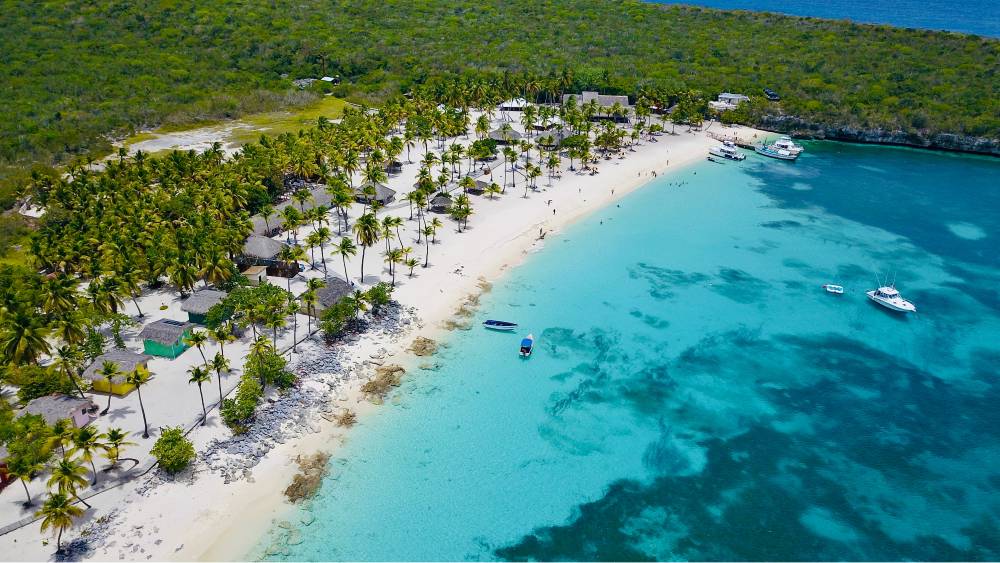
Just off the southeastern coast of the Dominican Republic, Isla Catalina is one of those rare places that needs no embellishment to captivate. Small, uninhabited and wrapped in crystal-clear waters, the island distils the pure essence of the Caribbean.
Set opposite the province of La Romana, it offers an ideal escape for travellers seeking a nature‑focused experience—far from urban bustle and guided by simple pleasures rather than schedules or trends.
1. Small, yet wonderfully complete
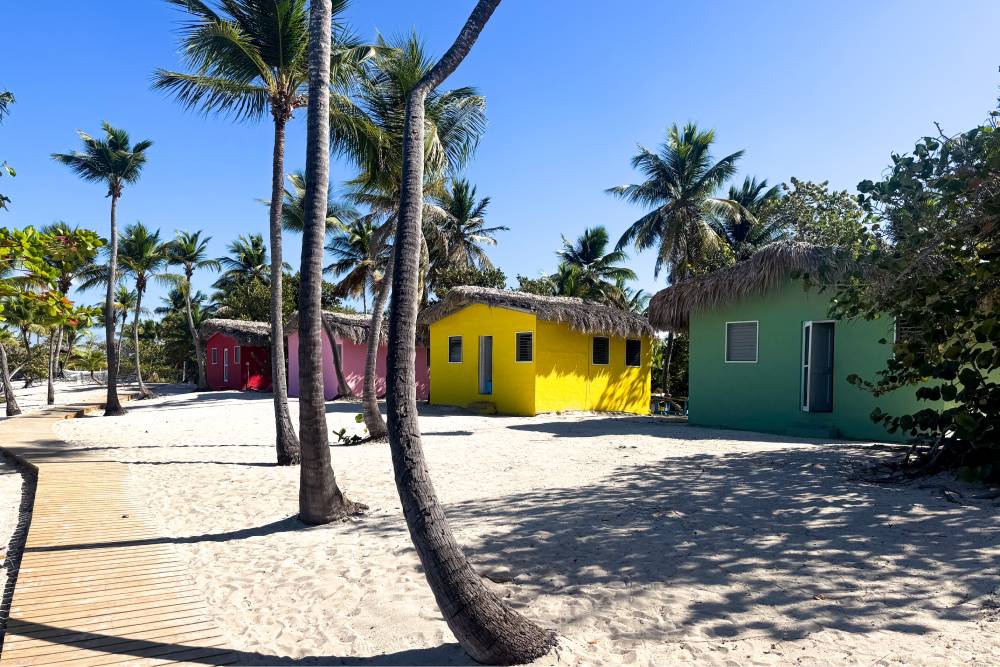
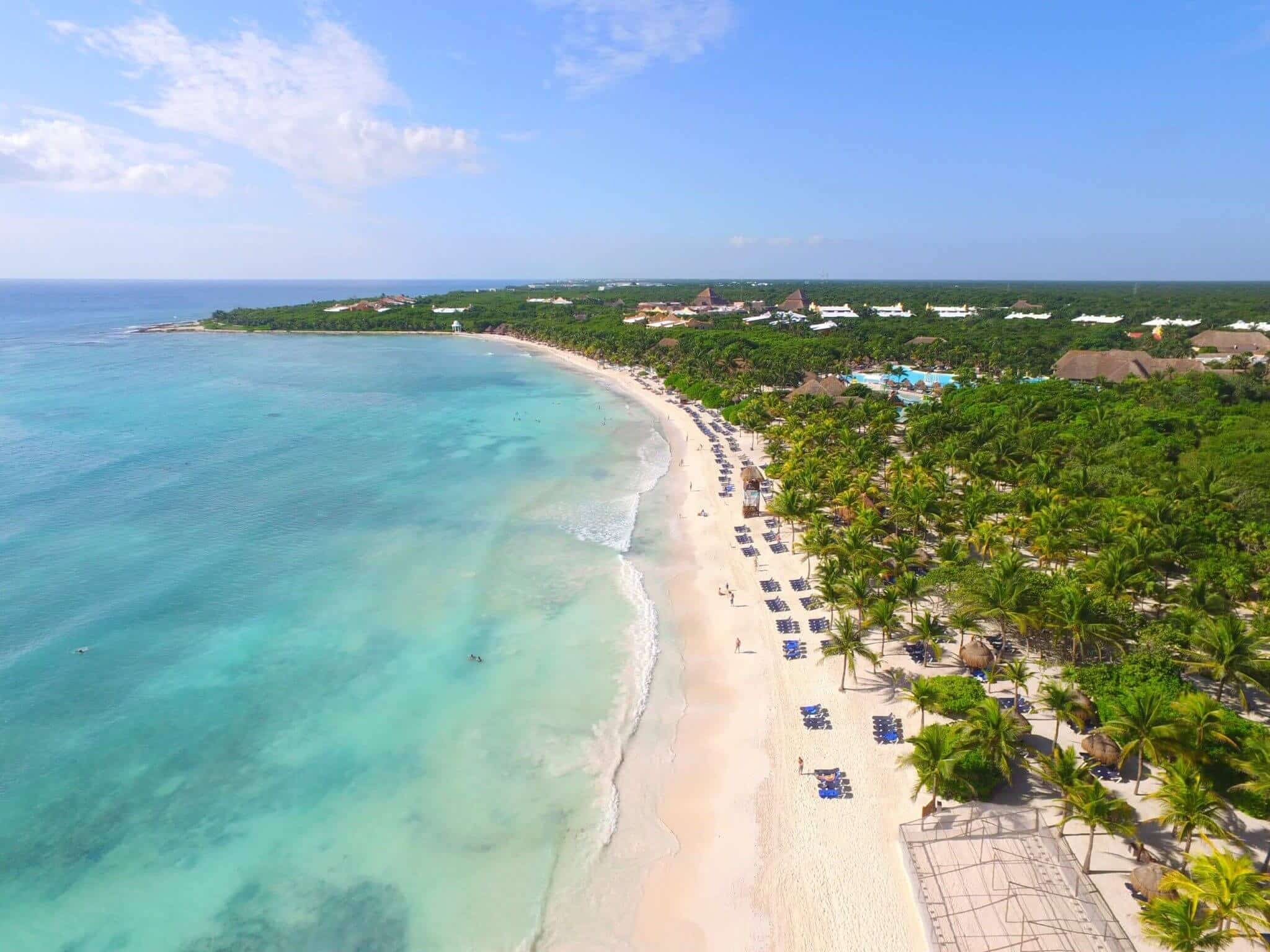
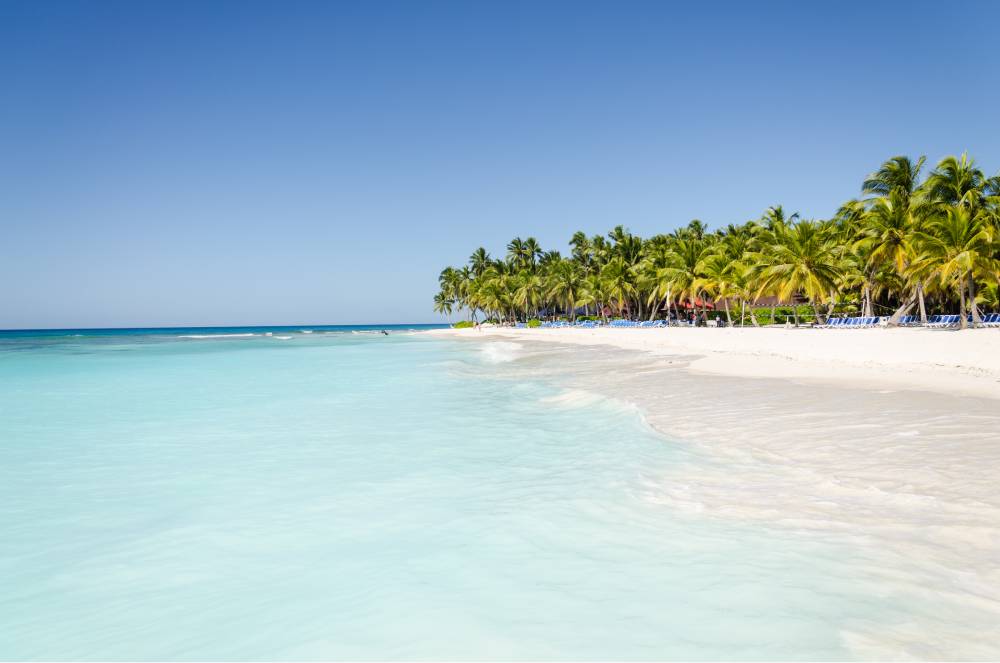
With a surface area of less than 10 km², Isla Catalina is easy to explore and enjoy at your own rhythm. Its charm lies precisely in its scale: everything feels close, accessible and effortless. Along its coastline, pale‑sand beaches, reef zones and calm swimming areas create a serene, inviting setting for a perfect day trip.
Its lack of permanent inhabitants has helped preserve its pristine character. There are no large structures or landscapes shaped by mass tourism—only sea, sunlight and the gentle hush of waves defining the island’s atmosphere.
2. A paradise for snorkelling and diving
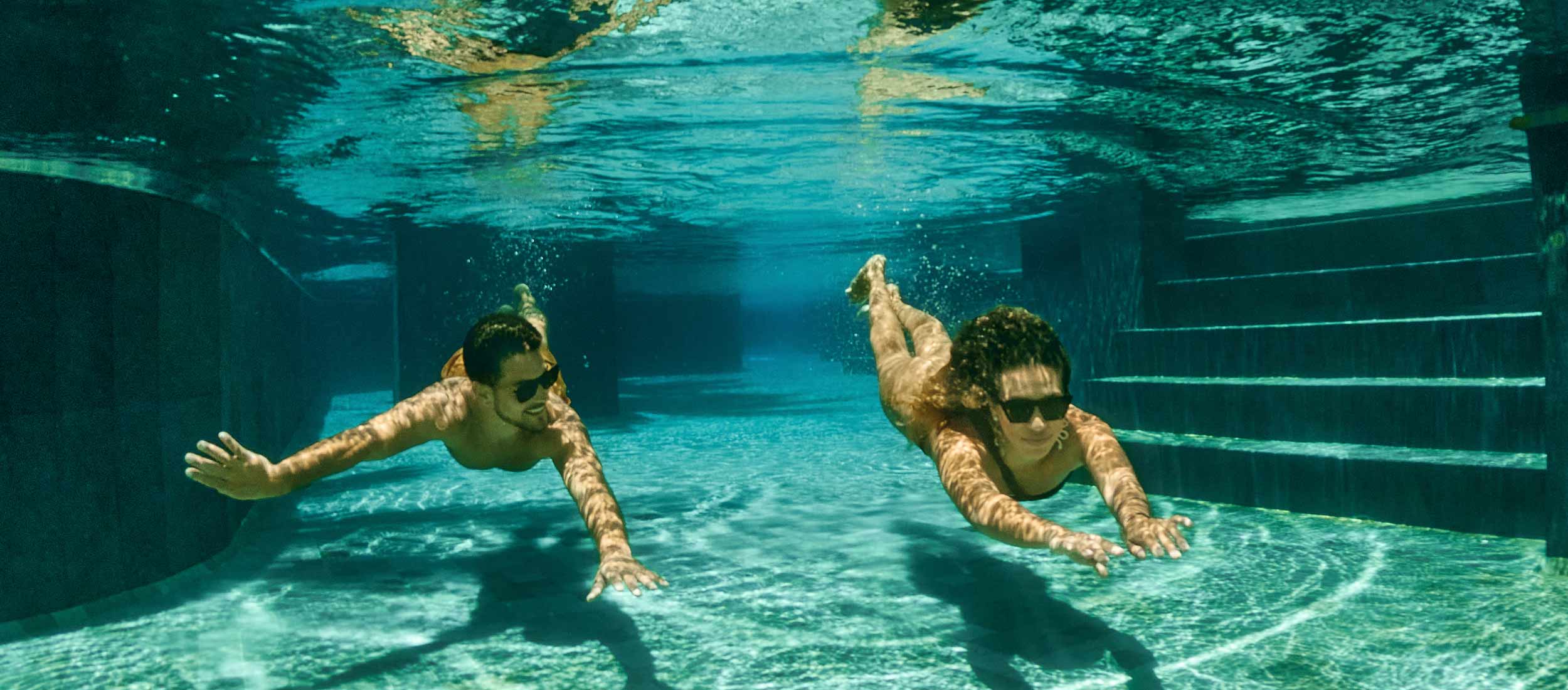
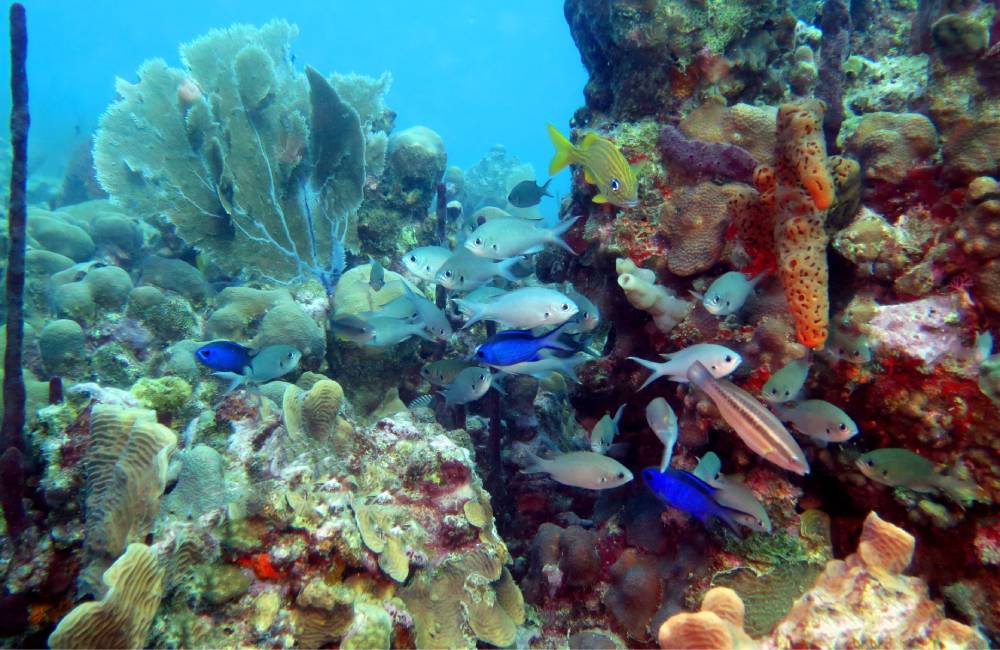
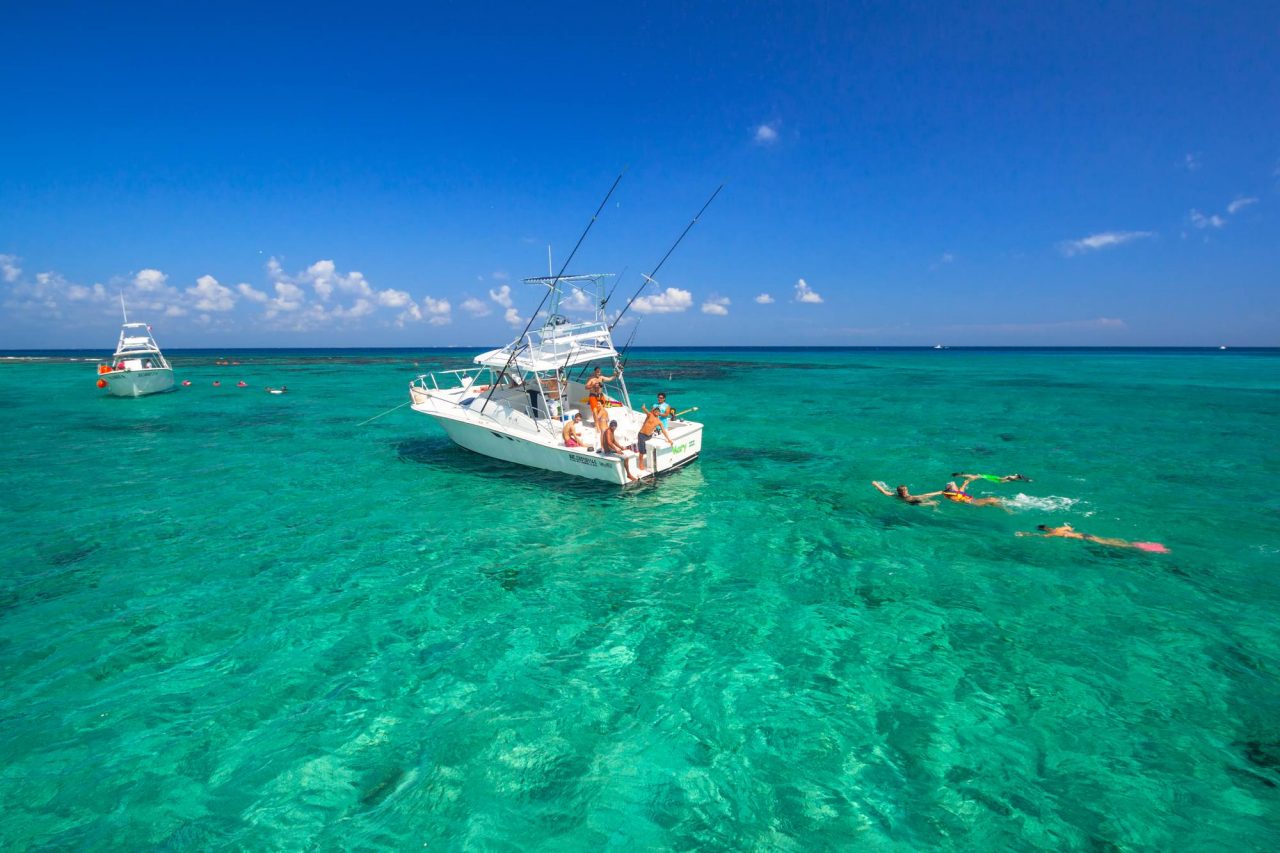
If Isla Catalina is famous for anything, both within the Dominican Republic and beyond, it’s the exceptional quality of its seabed. The surrounding waters offer excellent visibility and gentle currents, making them ideal for both first‑time snorkellers and seasoned explorers.
Close to the shore, you can easily spot tropical fish, sponges, coral formations and sandy stretches—no need to venture into great depths. This makes the experience accessible, immersive and wonderfully visual, even for those new to water activities.
For scuba divers, one of the island’s signature sites is The Wall, an underwater cliff that drops gradually and allows for calm, controlled dives tailored to each diver’s level. These remarkably well‑preserved seabeds host an extraordinary variety of marine life, turning every descent into a vibrant encounter with the Caribbean’s underwater world.
3. Quiet beaches and total disconnection
Beyond its marine wonders, Isla Catalina is also a sanctuary of pure relaxation. Its pale‑sand beaches and shallow, serene waters invite long hours of swimming, resting in the shade or strolling along the shoreline.
The atmosphere is calm and unspoiled, far removed from the bustle of more crowded Caribbean destinations. This is precisely why the island pairs so beautifully with multi‑stop trips: a day here becomes a true pause—a moment of stillness and renewal, especially when balanced with more active excursions elsewhere.
4. An island with lots of history
Though Isla Catalina is now seen as an almost untouched paradise, it also holds a quiet but meaningful place in Caribbean history. Historical accounts suggest it was sighted and named during European exploration in the late 15th century. Like many islands in the region, its strategic and symbolic importance shifted over time, eventually becoming associated with conservation and the respectful enjoyment of its natural surroundings.
5. How to plan your visit to Isla Catalina
Getting in
The most common way to reach Isla Catalina is by boat from the coast of La Romana and nearby areas. The trip is short and scenic, offering wide‑open views of the Caribbean Sea before you arrive at the island.
Duration of the visit
A full‑day excursion is the ideal choice. It gives you time to alternate between snorkelling, swimming and simply unwinding.
What to bring
For a comfortable visit, bring reef‑safe sun protection, footwear suitable for both sand and rocky areas, and—if you prefer—your own mask and snorkel. A waterproof case for your phone or camera is also useful, along with water and a light snack for the journey and your time on the island.
Best time of day
Early morning is usually the most pleasant moment to arrive, with milder temperatures and calmer seas that set the tone for a relaxed, unhurried experience.
-
Is Isla Catalina suitable for a family trip?
Yes! Its calm waters and shallow snorkelling areas make it an excellent option for families, as long as activities are supervised and basic safety guidelines are followed.
-
Do you need to know how to scuba dive to enjoy Isla Catalina?
No. While diving is one of the island’s highlights, you can enjoy it just as much by snorkelling or simply spending the day swimming and relaxing on the beach.
-
What’s the best time of year to visit Isla Catalina?
Isla Catalina is a year‑round destination. That said, the driest months—December through April—tend to offer especially pleasant conditions, with less rain and clearer visibility in the water.
- See more questions
More about Punta Cana














The best hotels in Punta Cana


4.0text.accommodation.listing.star.rating.stars
Punta Cana, Domincan Republic
4.0text.accommodation.listing.star.rating.stars
Punta Cana, Domincan Republic
4.0text.accommodation.listing.star.rating.stars
Punta Cana, Dominican Republic





Load more hotels