






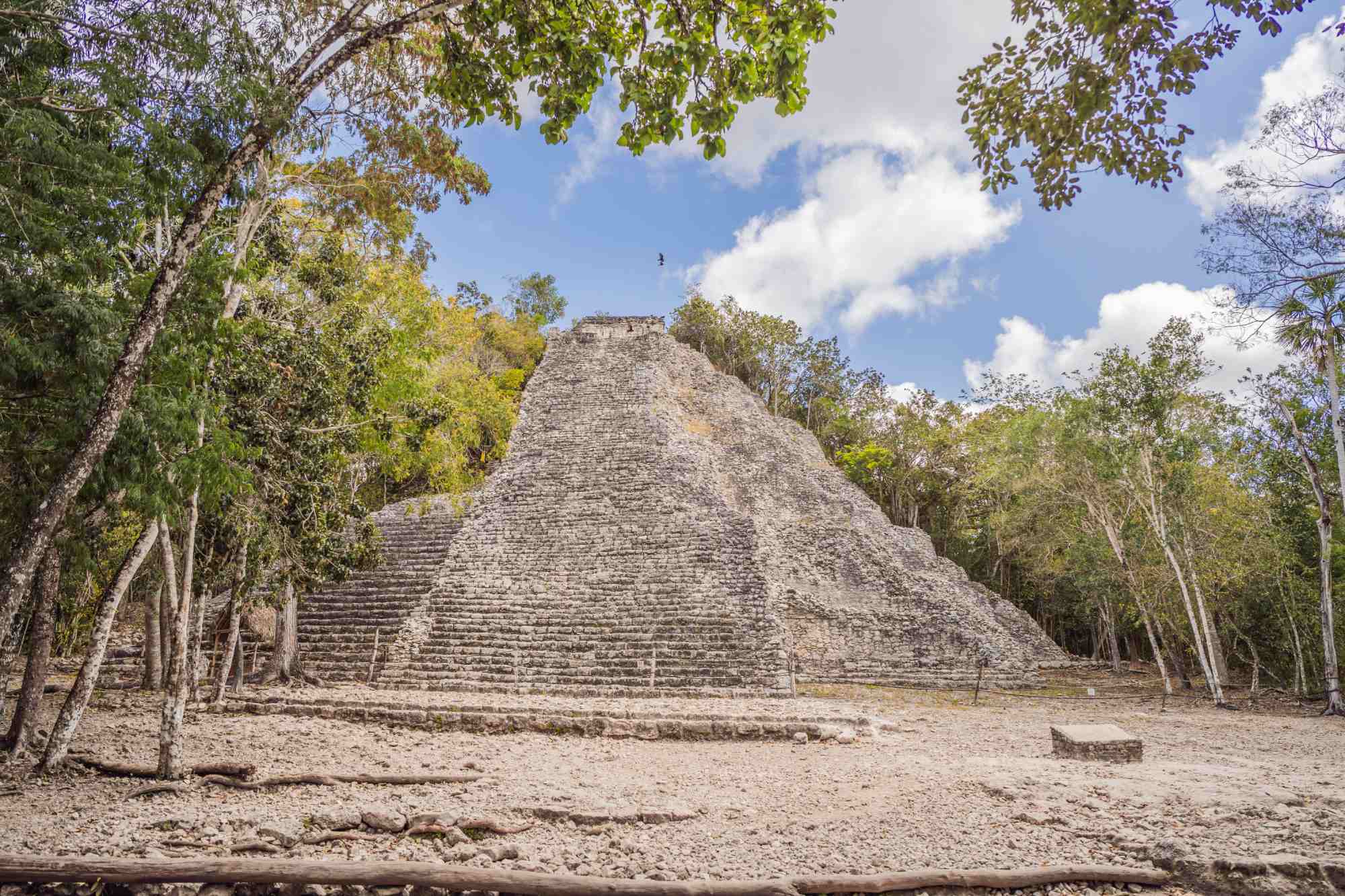
Tour of the ruins of Cobá, Mexico: everything you need to know
Located 90 kilometres from the legendary Chichen Itza and 47 from the iconic Tulum, the ancient Mayan city of Cobá has emerged as one of Mexico's biggest tourist attractions.
This guide reveals its history, meaning, how to get there and the architectural marvels you simply must not miss.
1. Cobá, the Mayan city of the five lakes
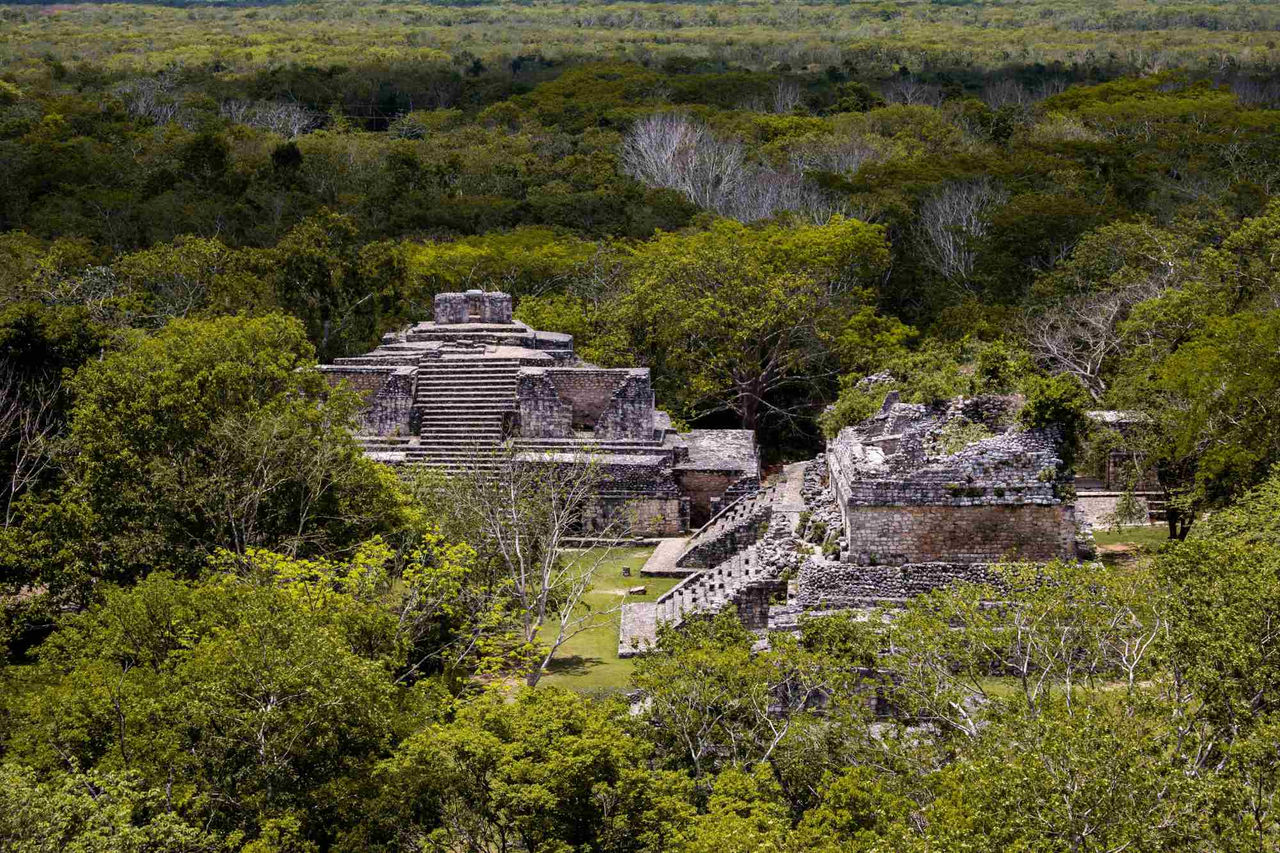
Cobá, whose golden age spanned from 500 to 780 AD, rose as a vast and influential metropolis, commanding the vital trade routes between the coast and the heart of the Yucatán Peninsula.
During its era of greatest prosperity, its rulers—including a powerful woman—guided Cobá to prominence. Yet traces of settlement here reach as far back as 200 BC, revealing deep roots in the region. Archaeological findings also attest to dynamic exchanges with neighbouring communities. Thus, historians have been able to trace a war with Uxul and Edzná in Campeche, another conflict with Motul in Guatemala, as well as diplomatic and military ties with the mighty city of Tikal.
Cobá’s spectacular ensemble of pre-Hispanic structures is arranged into four principal groups: the Cobá Group, the Macanxoc Group, Group D or the Paintings, and the Nohoch Mul Group. Exploring this vast site is like stepping back into antiquity, offering a profound glimpse into the power, significance and grandeur of Mayan civilisation.
2. The Temple of the Church
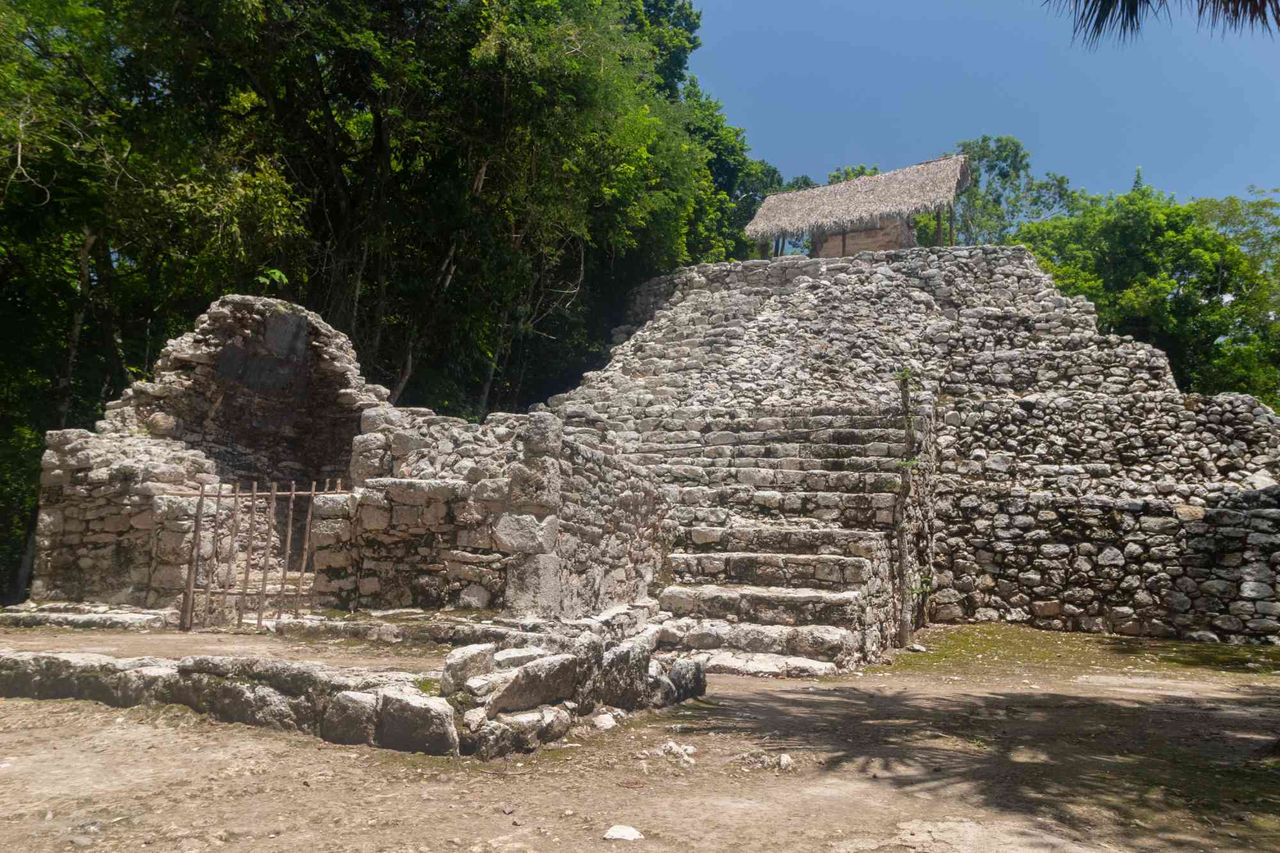
To the right of the road, almost concealed by the trees, rises a 24-metre-high pyramid known as the Temple of the Church. The most striking feature is a stairway adorned with intricate reliefs of human and animal figures.

3. The Pyramid of Nohoch Mul
Just one and a half kilometres away is Nohoch Mul, the main temple and tallest pyramid in Yucatán, soaring 42 metres high across seven levels. Years ago, people could climb the 120 steps and enjoy stunning view of the jungle, the ruins and the lakes that surround it. Today, however, the climb is prohibited for safety reasons and to preserve the structure.
4. The Las Pinturas complex
Another must-see structure is the Las Pinturas complex. Though its pyramid is the smallest in Cobá, it is distinguished by the mural fragments that once adorned its walls. At its heart stands the Temple of the Frescoes, currently only the frieze is in good condition, including interesting scenes of ancient agricultural rites.
5. The ball game arena
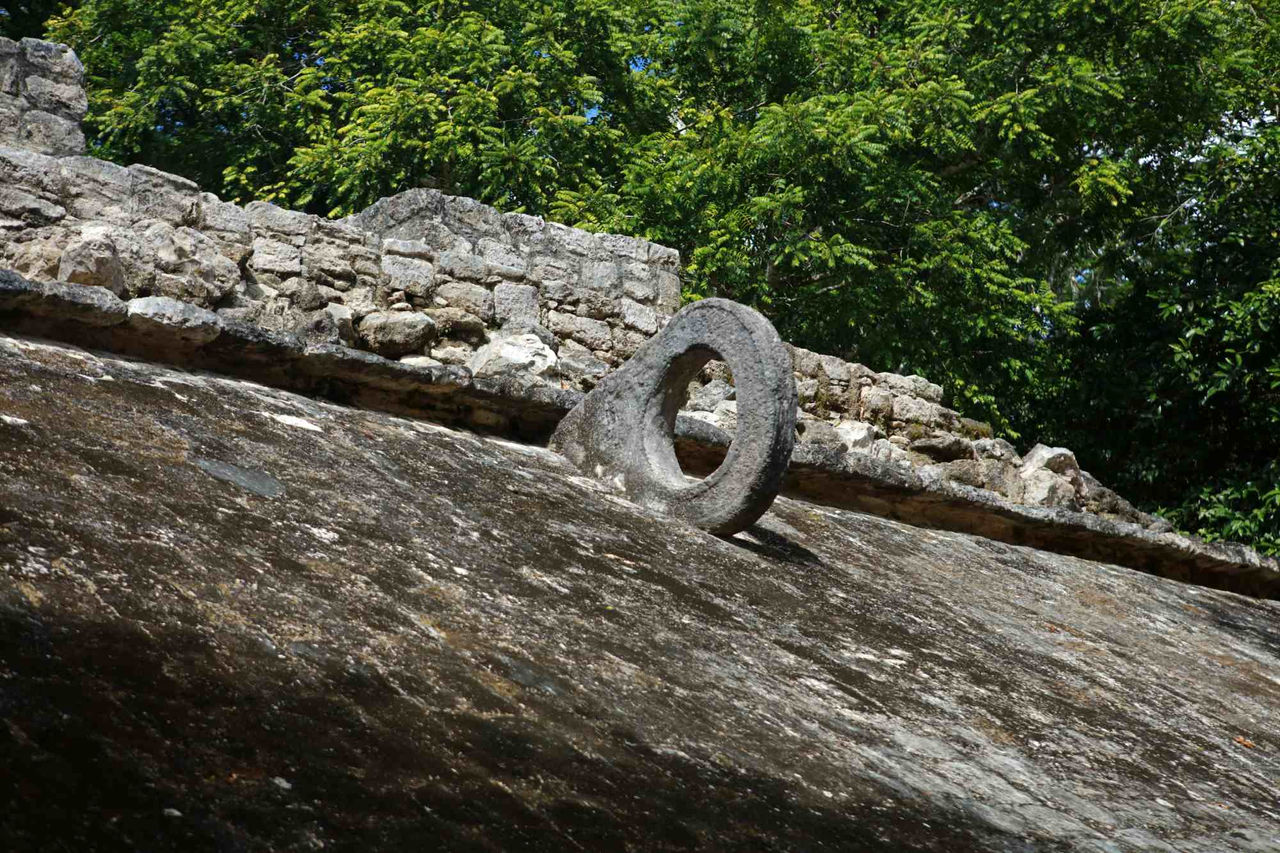
The court that once hosted the traditional Mayan ball game remains impressively well preserved. The stone walls still bear the rings, set 2.5 metres high and marked with the symbol of Venus, where the contenders had to place a heavy solid rubber sphere. This architectural ensemble stands as a powerful testament to the sacred significance that this sport had in Mayan culture.
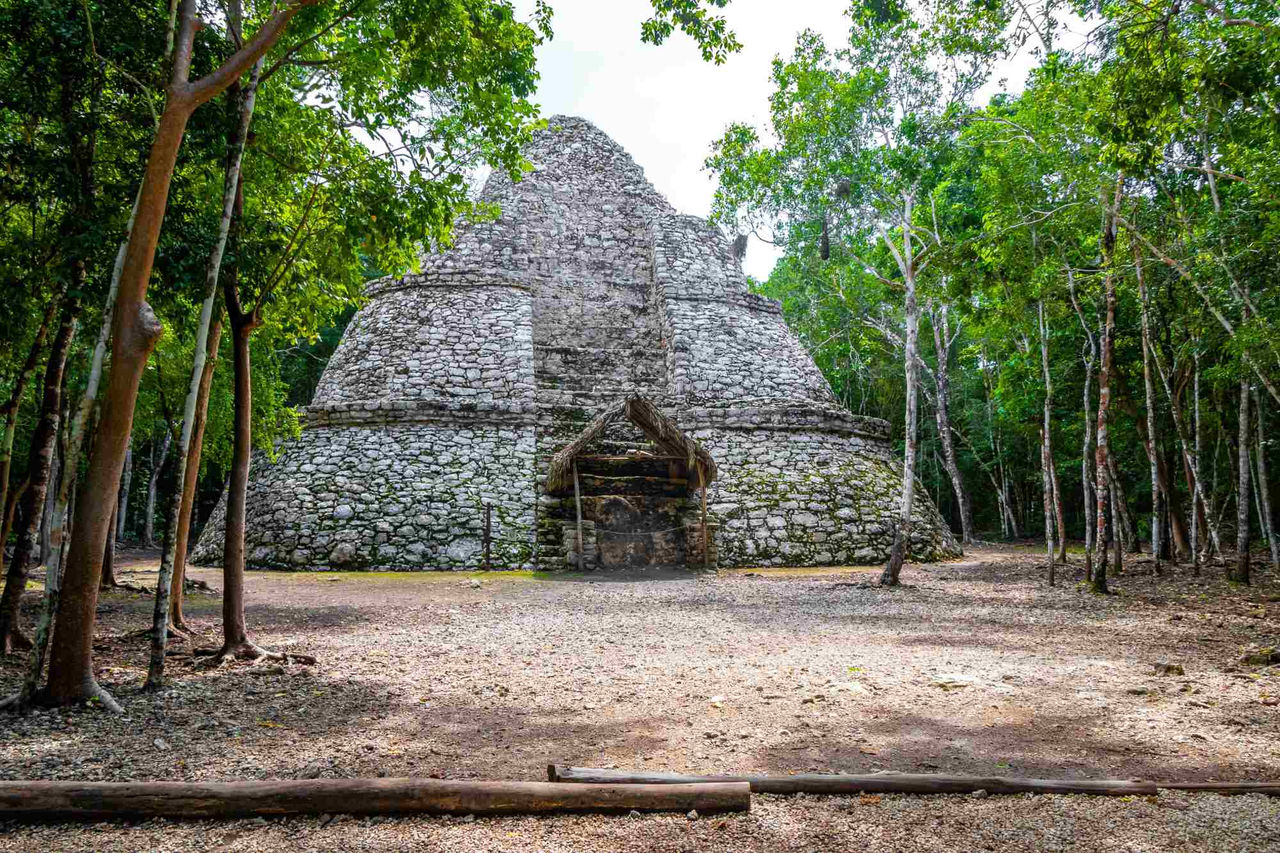
6. Xaibé or The Observatory
This is undoubtedly one of the most remarkable structures in Cobá because of its rounded design—a rarity within Mayan architecture. The building rises in five staggered tiers, with a central staircase. Scholars interpret Xaibé as a monument dedicated to the seasons and the Mayan calendar.
7. The main lagoon and the cenotes
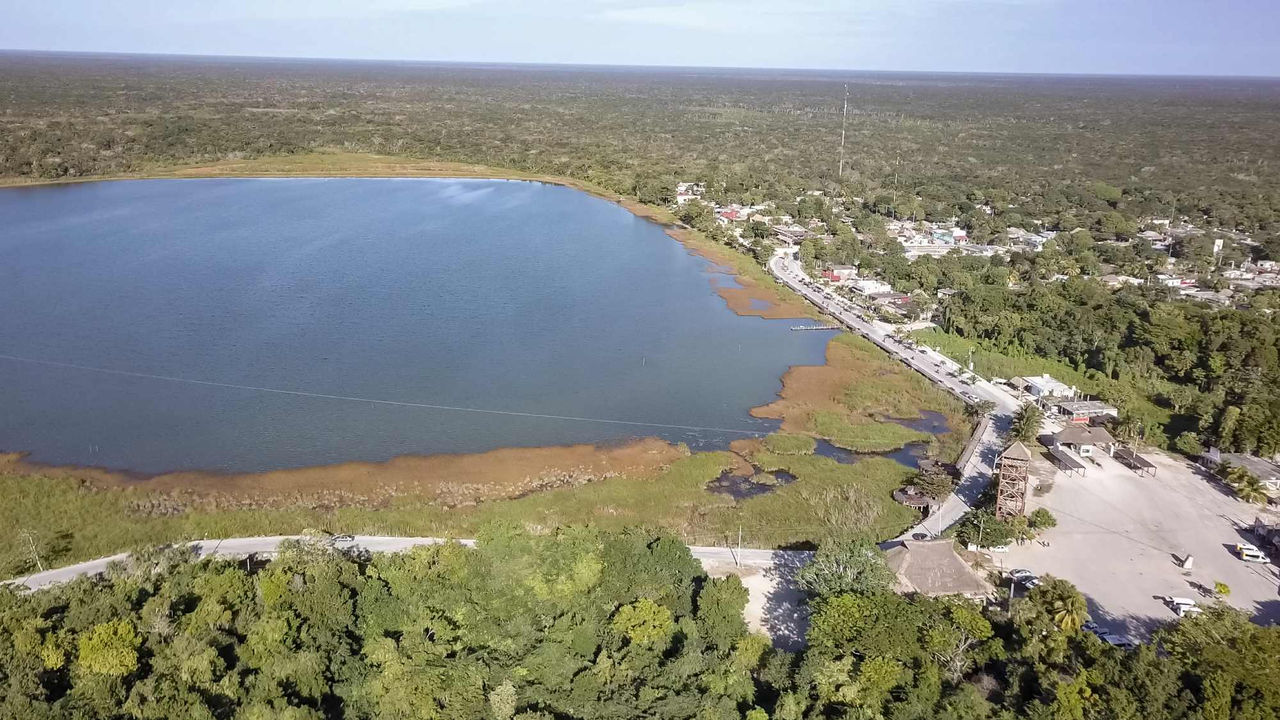
Cobá is known as the city of the five lakes: Lake Cobá, Macanxoc, Sacalpuc, Yaxlaguna and Xcanhá. You can also visit numerous nearby cenotes and enjoy a refreshing dip after visiting the ancient Mayan city.
-
What can you do at the Cobá ruins in the Riviera Maya?
You can enjoy a nice bike ride, birdwatching and a refreshing swim in the cenotes.
-
How long does a visit to the Cobá ruins last?
A full visit usually lasts between two and three hours, depending on the pace and whether you decide to explore on foot or by bike.
-
Where are the Mayan ruins of Cobá?
The ruins of Cobá are in the middle of the jungle in the state of Quintana Roo, about 47 kilometres from Tulum and about 90 from Playa del Carmen.
- See more questions
The best hotels in Riviera Maya

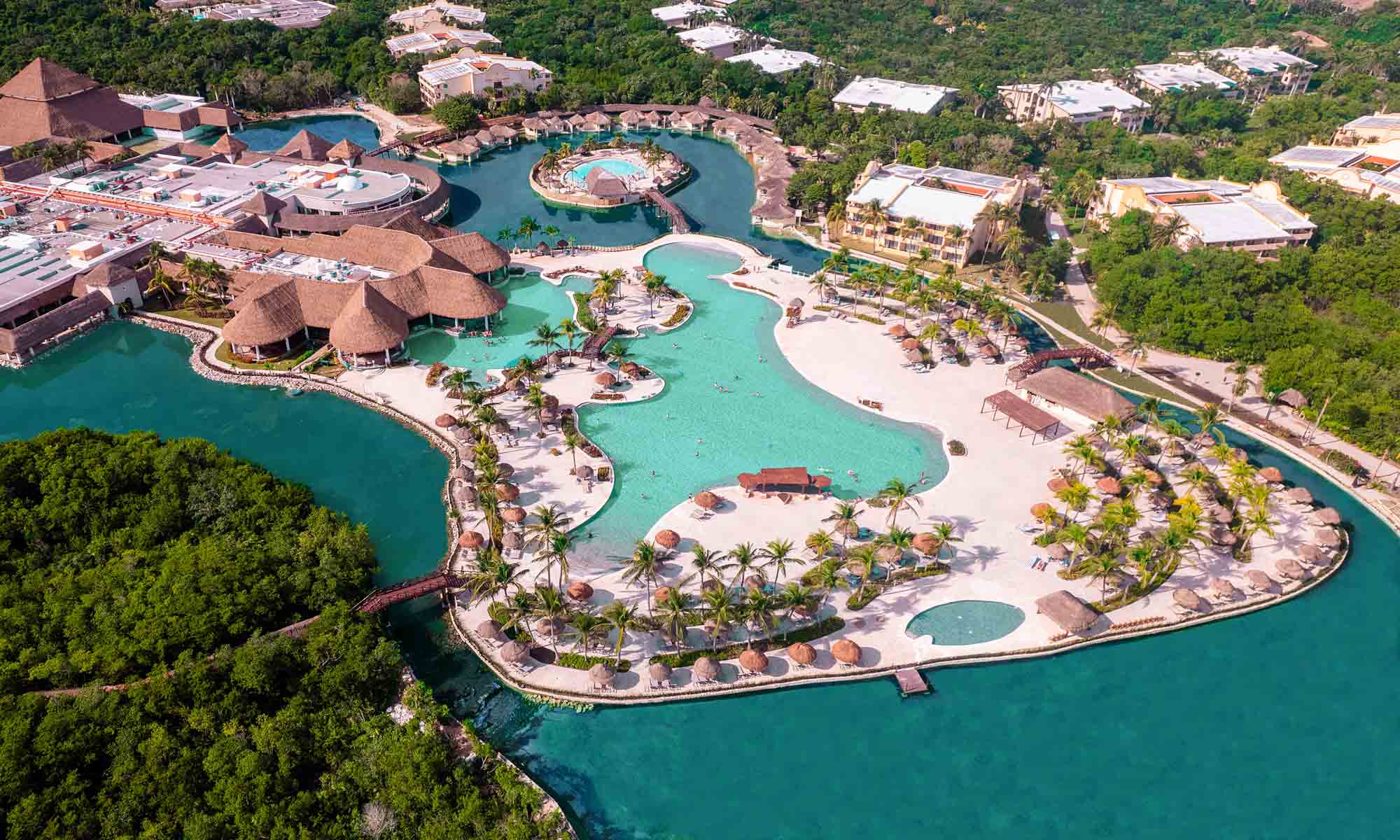
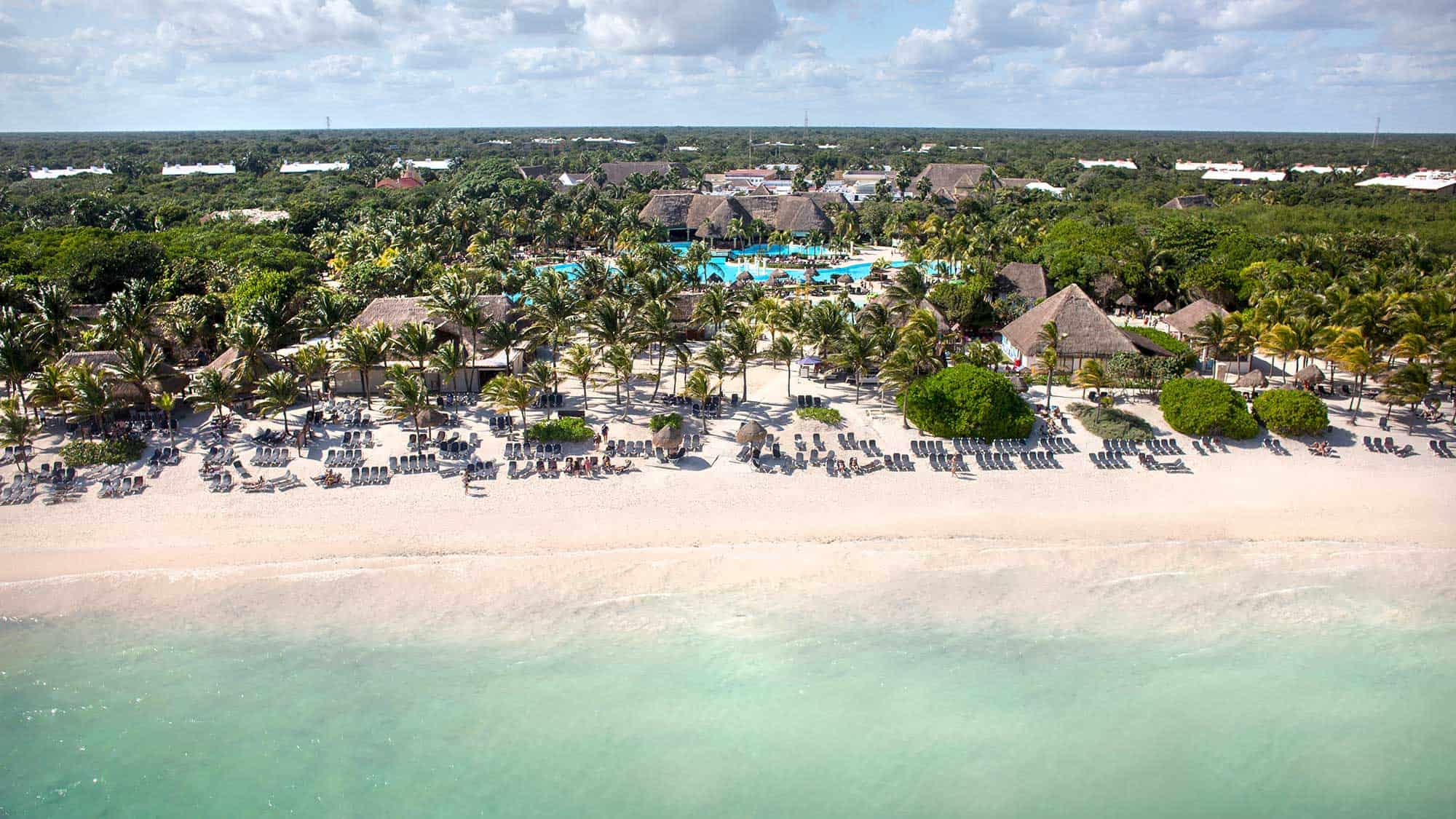
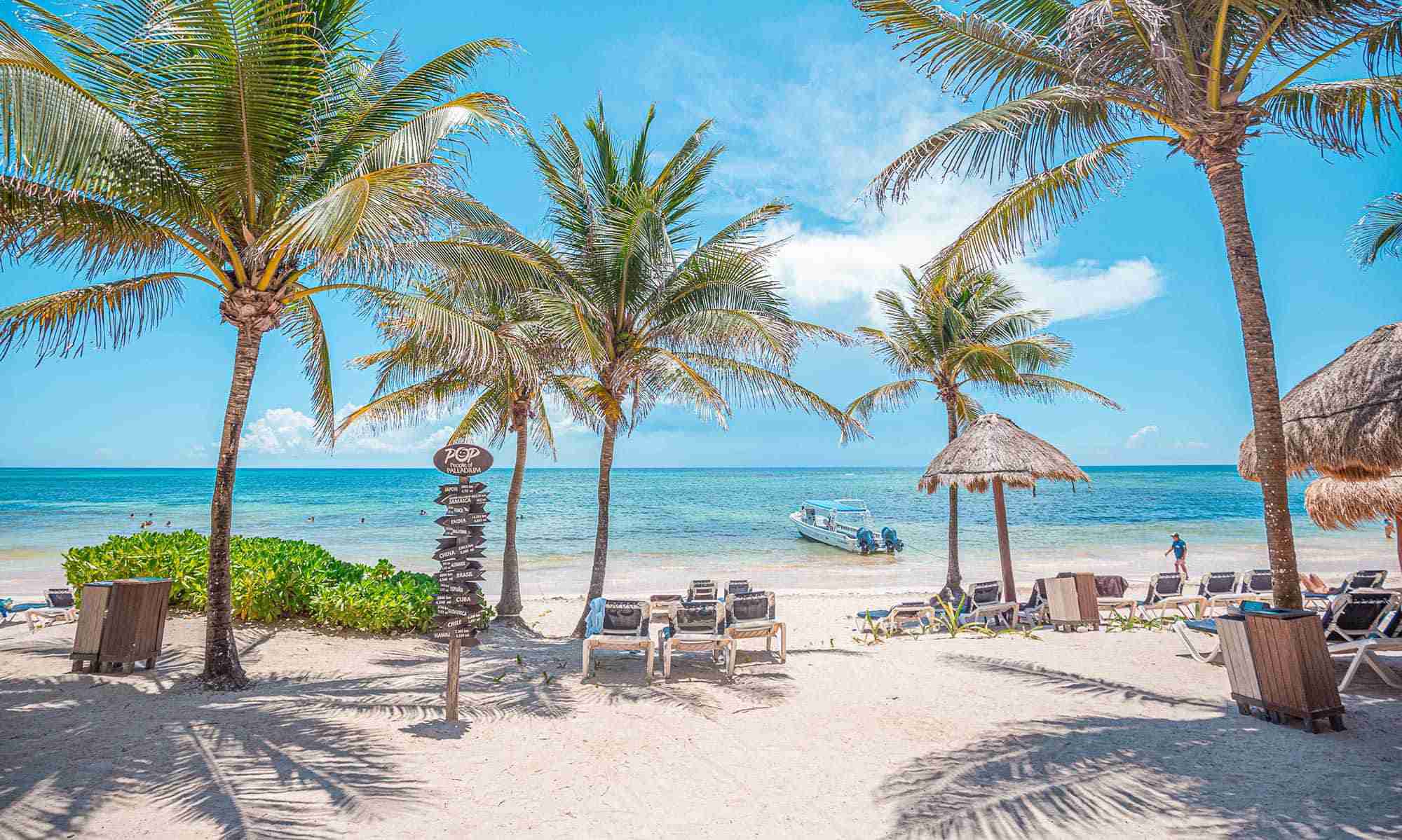
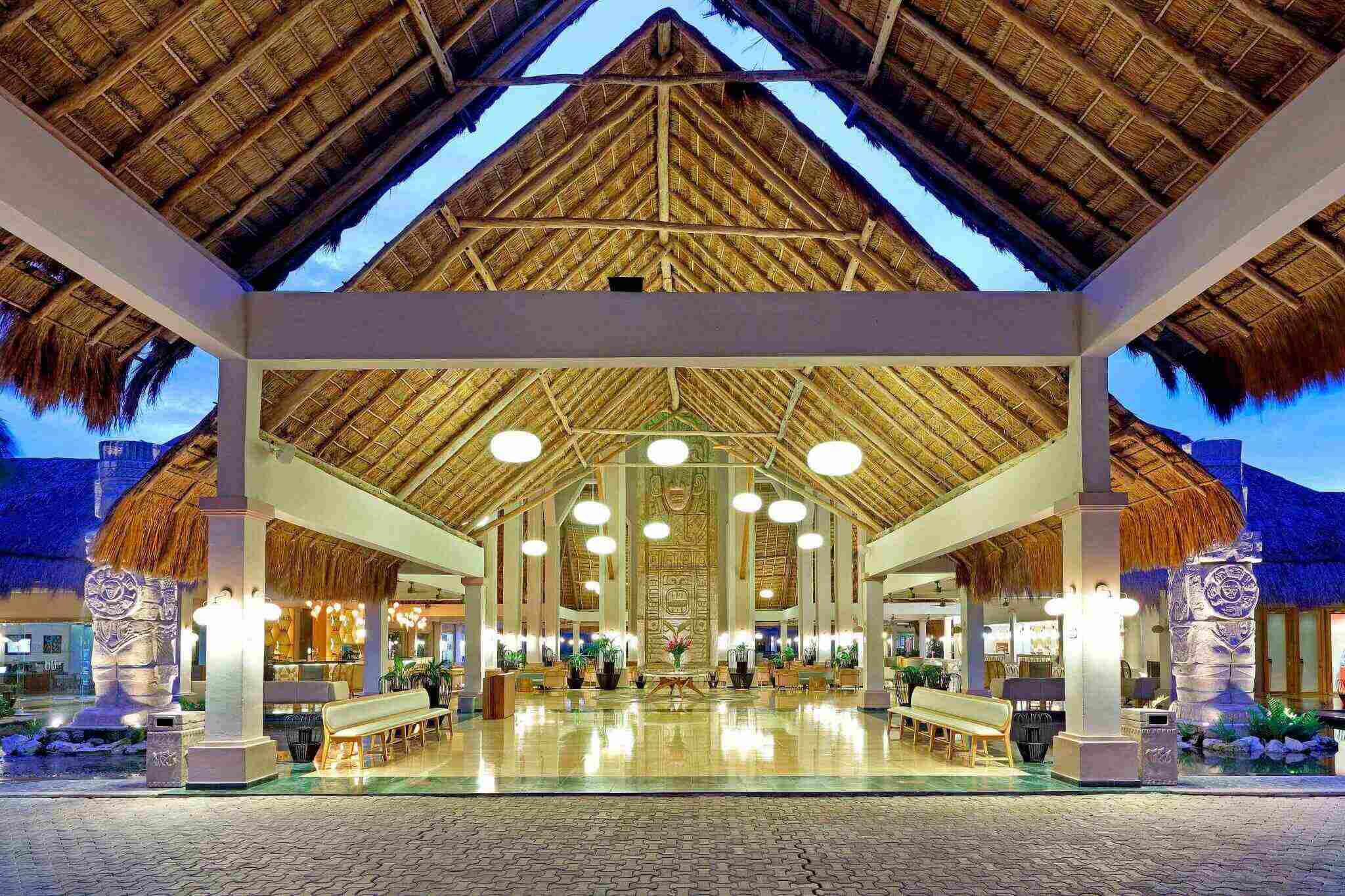
The best hotels in Riviera Maya


4.0text.accommodation.listing.star.rating.stars
Riviera Maya, Mexico
4.0text.accommodation.listing.star.rating.stars
Riviera Maya, M
4.0text.accommodation.listing.star.rating.stars
Riviera Maya, Mexico
4.0text.accommodation.listing.star.rating.stars
Riviera Maya, Mexico
Load more hotels