








Diving in Punta Cana: the best places to explore the underwater Caribbean
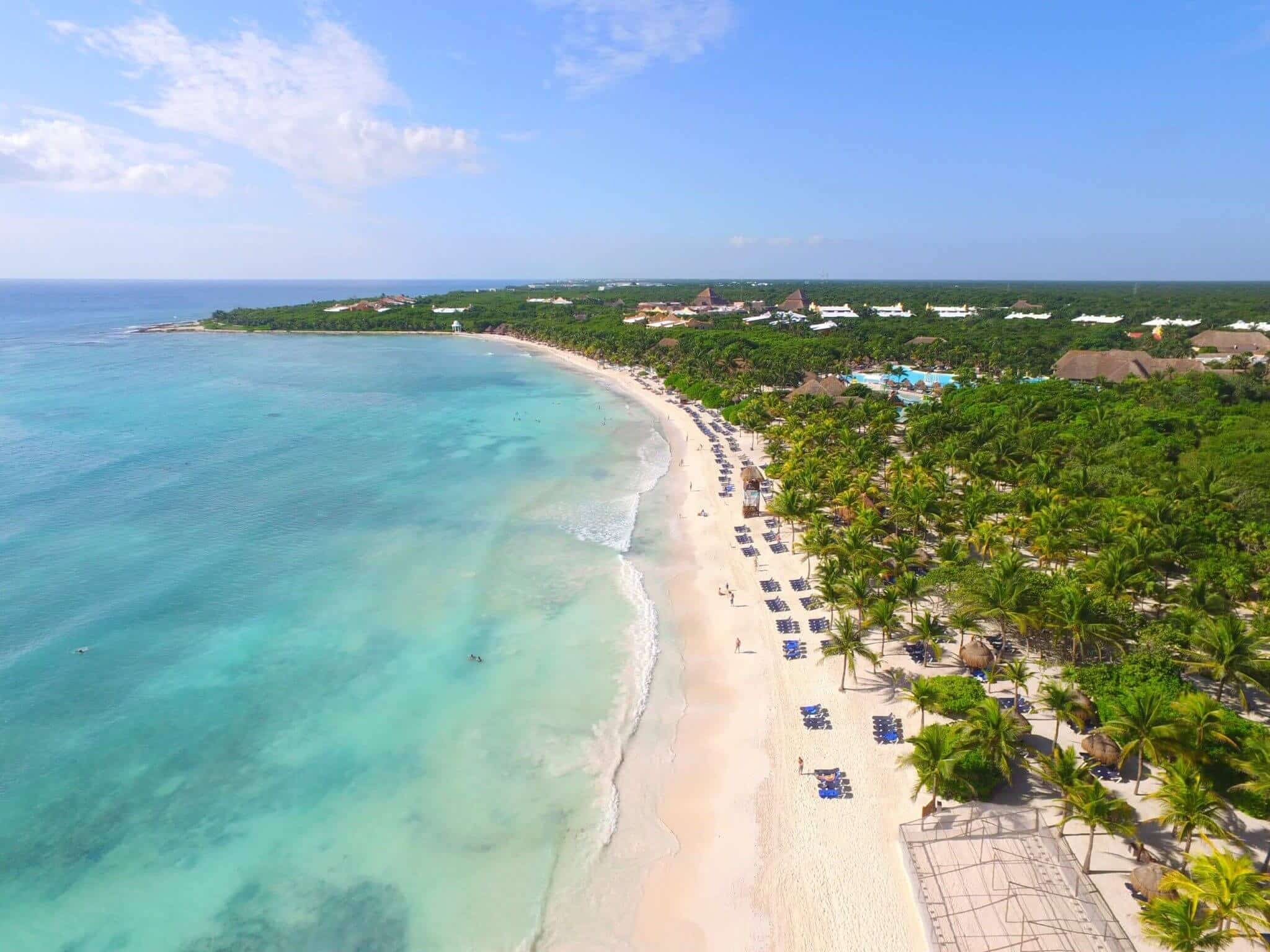
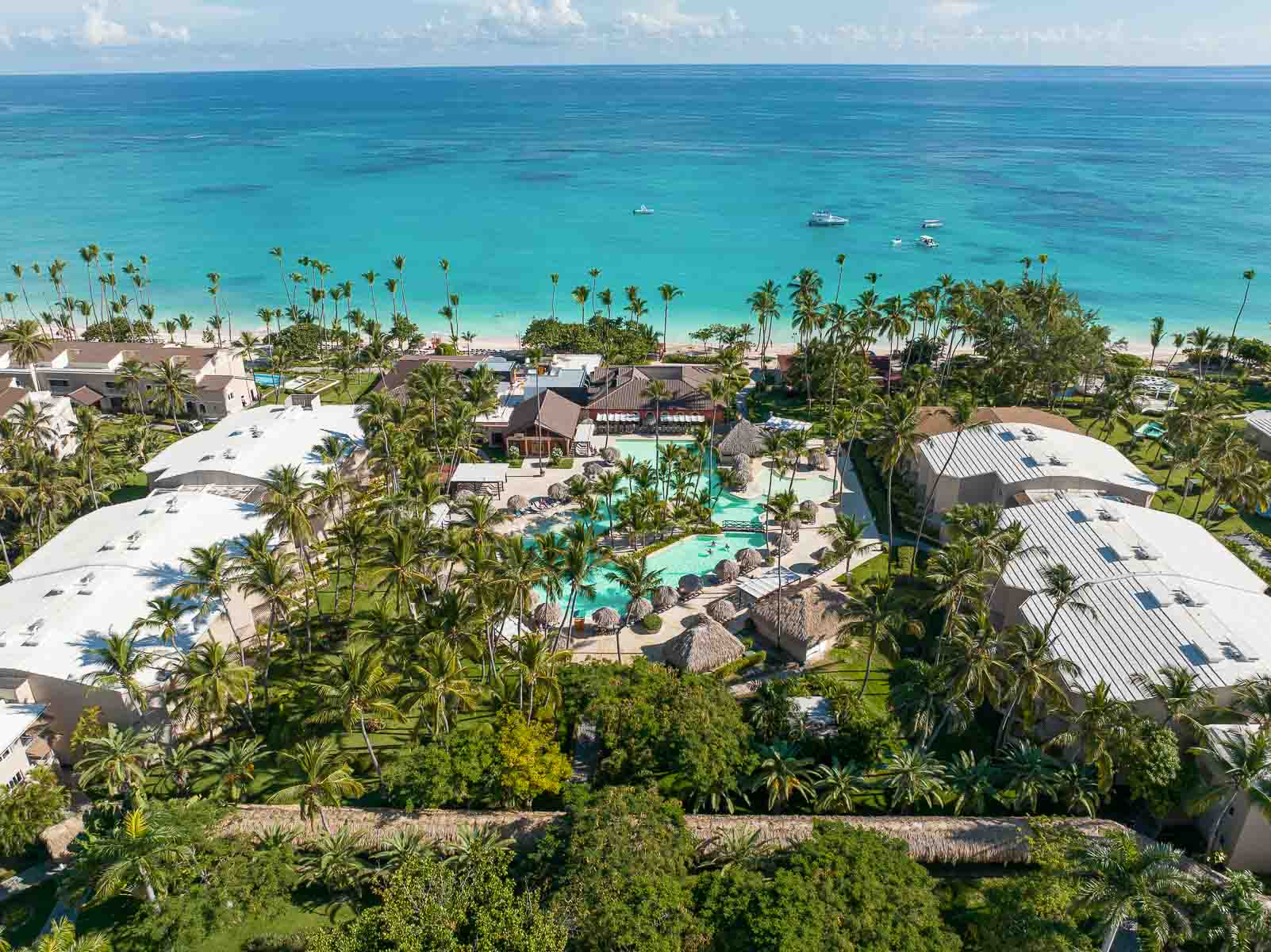
When we think of Punta Cana, endless beaches and turquoise waters come to mind—but beneath the surface lies one of its greatest treasures. The eastern coast of the Dominican Republic offers excellent scuba diving conditions, with well‑preserved reefs, white‑sand seabeds, shallow caverns and a biodiversity that captivates both first‑time divers and seasoned enthusiasts.
Thanks to its stable climate and consistently clear visibility, Punta Cana has become one of the Caribbean’s most accessible gateways to the underwater world.
1. An ideal place for recreational diving
The waters around Punta Cana are warm—typically between 26°C and 29°C—and most dive sites enjoy gentle currents. This creates calm, well‑lit conditions with moderate depths, perfect for observing marine life without needing to descend too far.
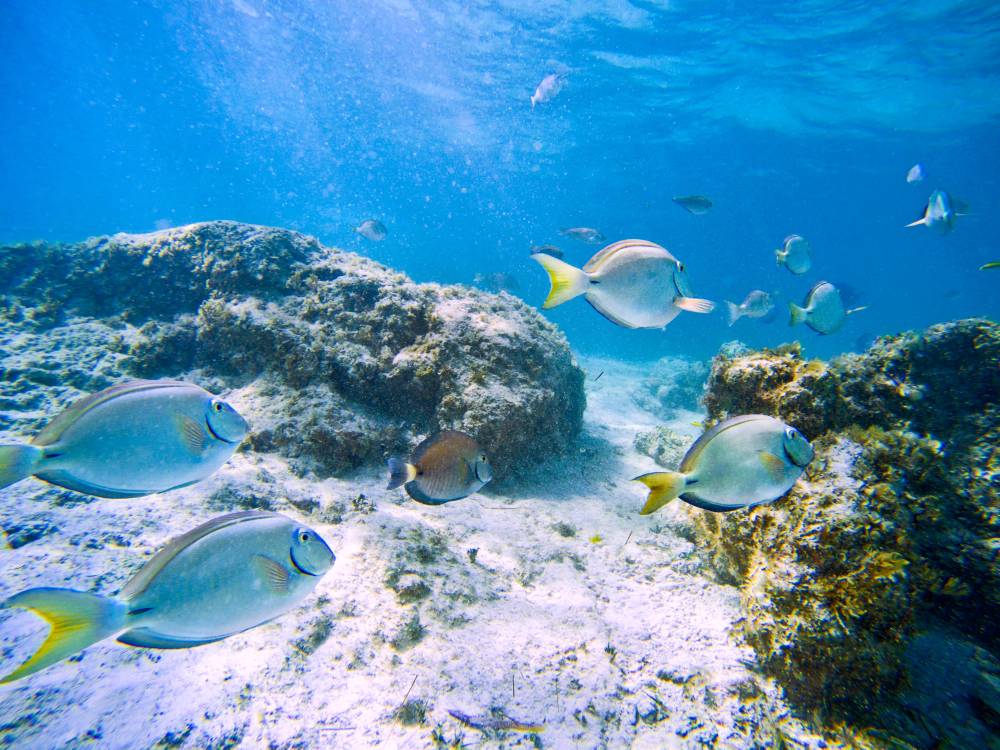
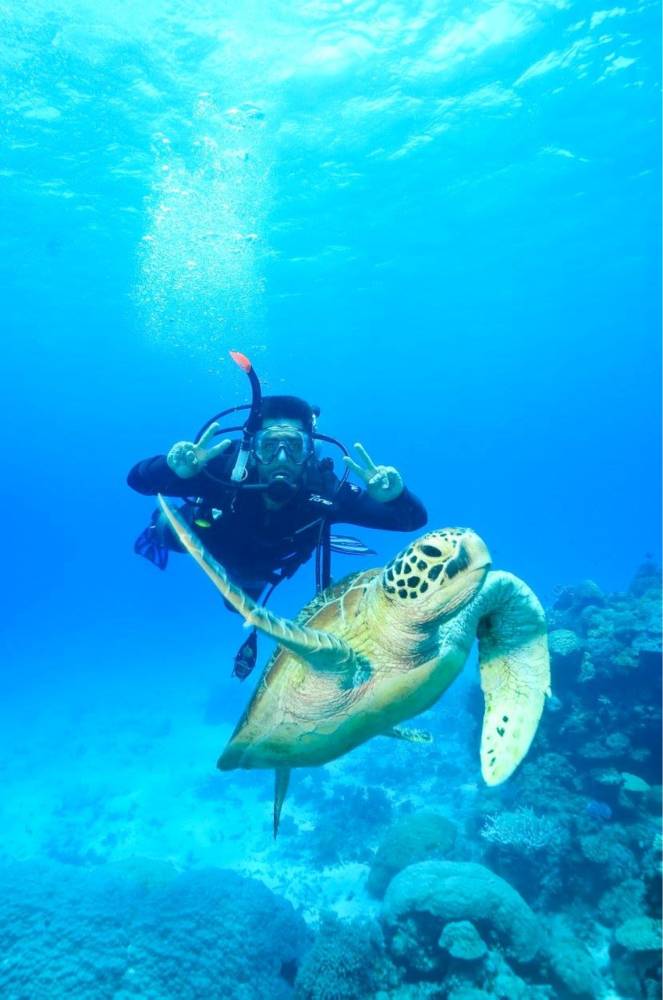
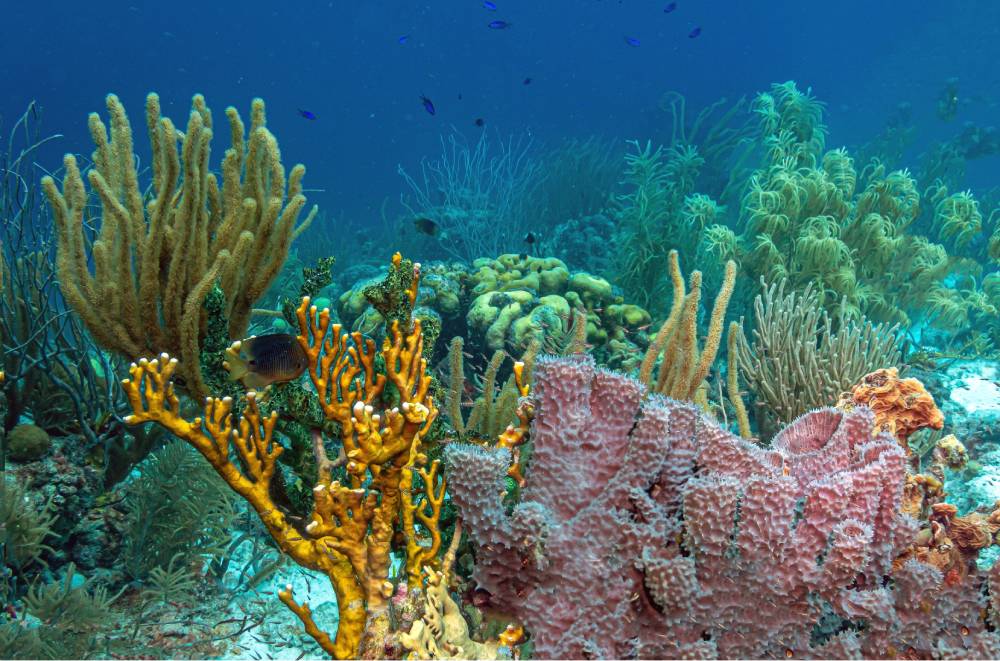
On the surrounding reefs, it’s common to encounter tropical fish, vibrant corals, rays, moray eels and brightly coloured sponges, along with small schools weaving through the coral formations.
2. Bavaro and Punta Cana reefs
Off the coast of Bávaro Beach and the other shores of Punta Cana lies a stretch of shallow reefs, ideal for easy dives and introductory immersions. These seabeds blend coral formations with sandy patches, making underwater orientation simple and offering a surprising variety of landscapes in a single outing.
Their closeness to the coast makes them especially convenient for those who prefer to avoid long boat rides. Visibility is often excellent—particularly on calm days—allowing the colours and contours of the reef to shine.
3. Isla Catalina: a Caribbean diving classic
Just a short distance from Punta Cana, Isla Catalina stands out as one of the region’s most celebrated dive sites. Its clear, sheltered waters reveal coral walls, underwater gardens and sandy stretches where countless species gather.
Some spots offer gentle, gradual descents to medium depths, while others are perfect for relaxed, shallow dives; all of them share abundant marine life and minimal currents. For this reason, Isla Catalina consistently ranks among the best diving destinations in the Dominican Republic.
4. Isla Saona and the Eastern National Park
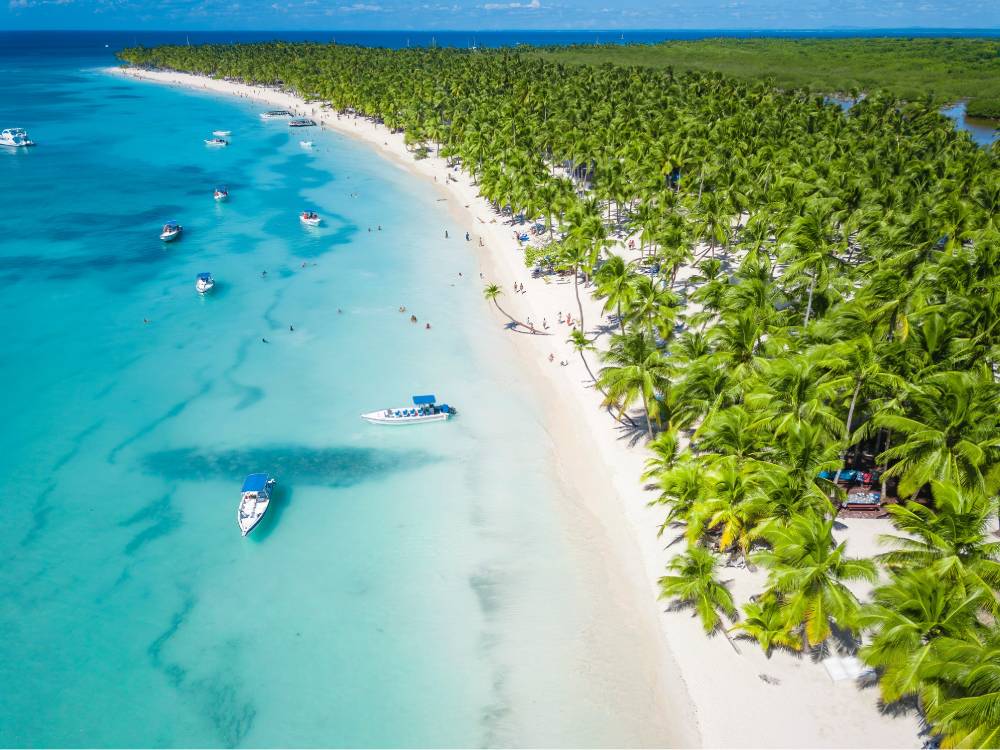
Another standout is Isla Saona, located within the protected Eastern National Park. This area is renowned for the quality of its marine ecosystems and the sensation of diving in an almost untouched environment.
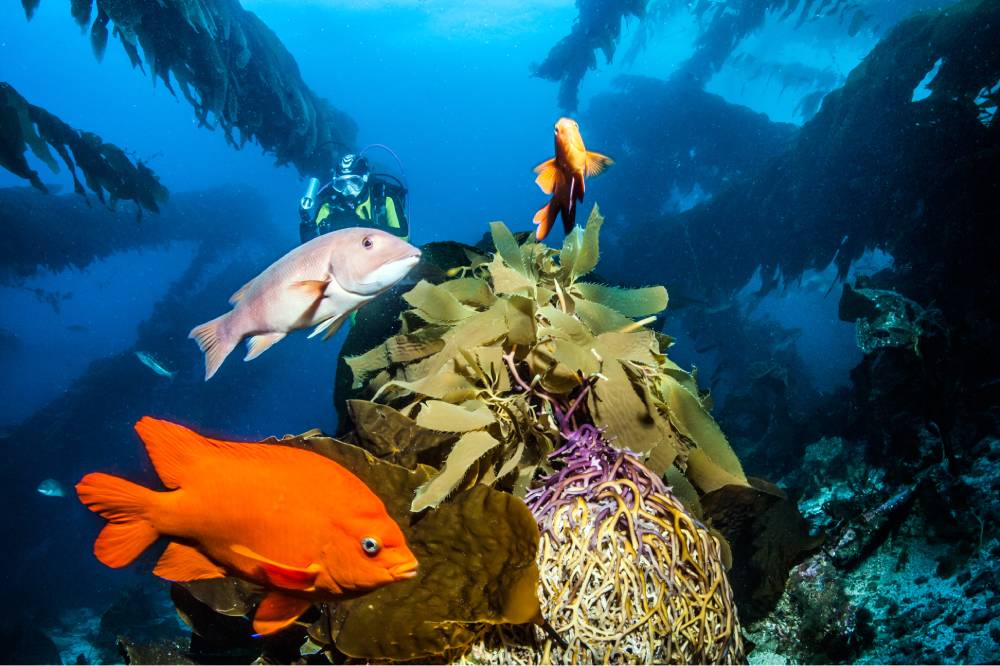
Here, divers can explore expansive reefs, seagrass meadows and well‑preserved coral structures teeming with life. The park’s conservation measures ensure a more sustainable, respectful experience—making Isla Saona an especially appealing choice for those seeking a deeper connection with nature.
5. Caves and underwater formations
Beyond the open reefs, the waters around Punta Cana hide shallow caves and underwater passageways that are easily accessible for recreational divers. Shaped over time by limestone erosion, these formations create dramatic plays of light and offer a refreshing alternative to traditional reef dives.
Although they are not technical caves, it is always best to explore them with specialist guides who know the terrain well and ensure a safe, enjoyable experience.
6. When to dive in Punta Cana
Diving is possible year‑round, but from December to April conditions tend to be more stable, with fewer rainy days and excellent visibility. For the rest of the year, the water stays warm and diving continues as usual, though occasional tropical showers may appear.
7. Tips for planning your dive
For a comfortable experience, bring lightweight gear, a thin wetsuit and reef‑safe sun protection. Respecting the environment is essential: avoid touching corals, do not feed marine life and maintain proper buoyancy at all times.
Most outings are organized as half‑day trips, giving you plenty of time to pair your dive with beach relaxation or other activities.
-
Is certification required to dive in Punta Cana?
Not always. There are dives designed for certified divers and introductory experiences for beginners, all carried out under professional supervision. For deeper or more specialised dives, certification is required.
-
When is the best time of year to dive in Punta Cana?
Diving is possible year‑round, but the most favourable period is typically between December and April, when rainfall is minimal, the sea is calmer and visibility is at its best.
-
What kind of marine life can be seen in Punta Cana?
You can expect to encounter tropical fish, rays, moray eels, sponges and a variety of coral species. In protected zones, the biodiversity is especially vibrant and abundant.
- See more questions
More about Punta Cana


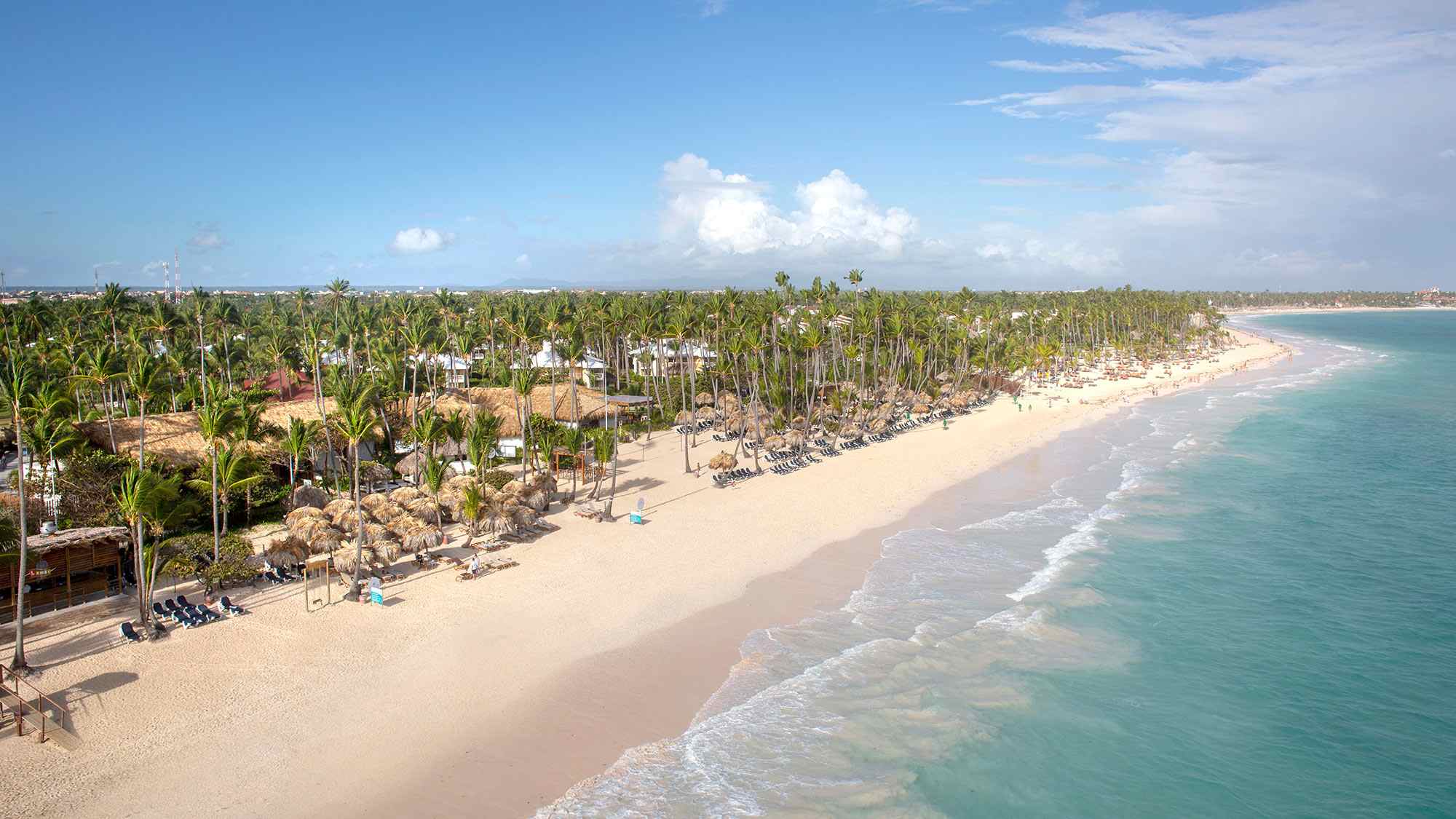
The best hotels in Punta Cana


4.0text.accommodation.listing.star.rating.stars
Punta Cana, Domincan Republic
4.0text.accommodation.listing.star.rating.stars
Punta Cana, Domincan Republic
4.0text.accommodation.listing.star.rating.stars
Punta Cana, Dominican Republic

Load more hotels