




Excursion to Formentera: what to see
The word paradise doesn't quite succeed where Formentera is concerned. Here you'll find waters of an even more intense turquoise colour, endless dunes, forests, two iconic lighthouses, and some of the best cuisine in the Mediterranean.
1. What to see in Formentera
If you are planning your visit to Formentera and want to discover its main tourist attractions, in this section we tell you all about the must-see places.
Enjoy its beaches
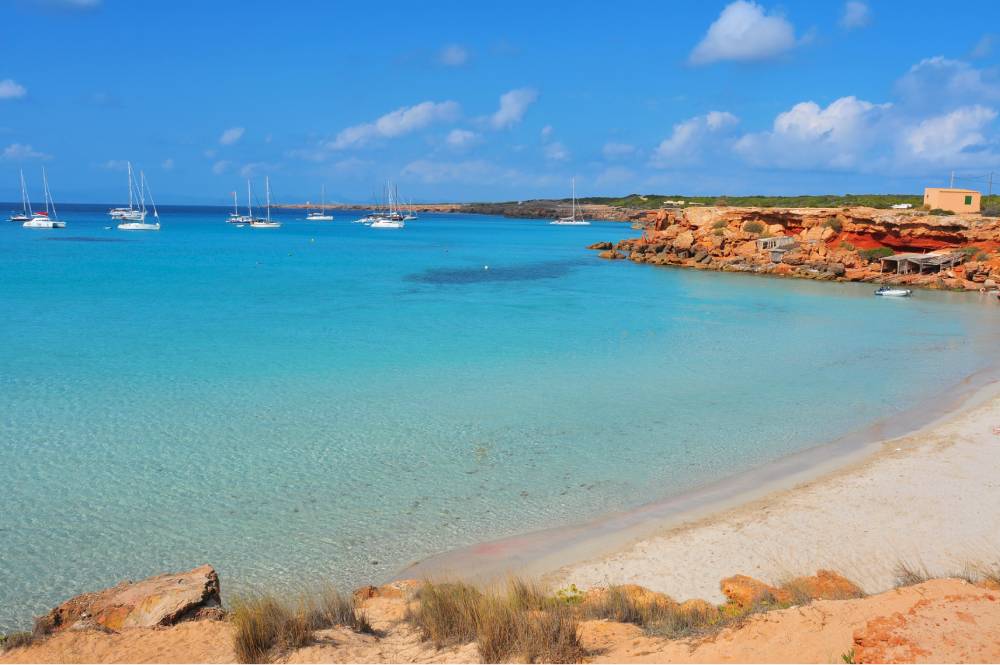
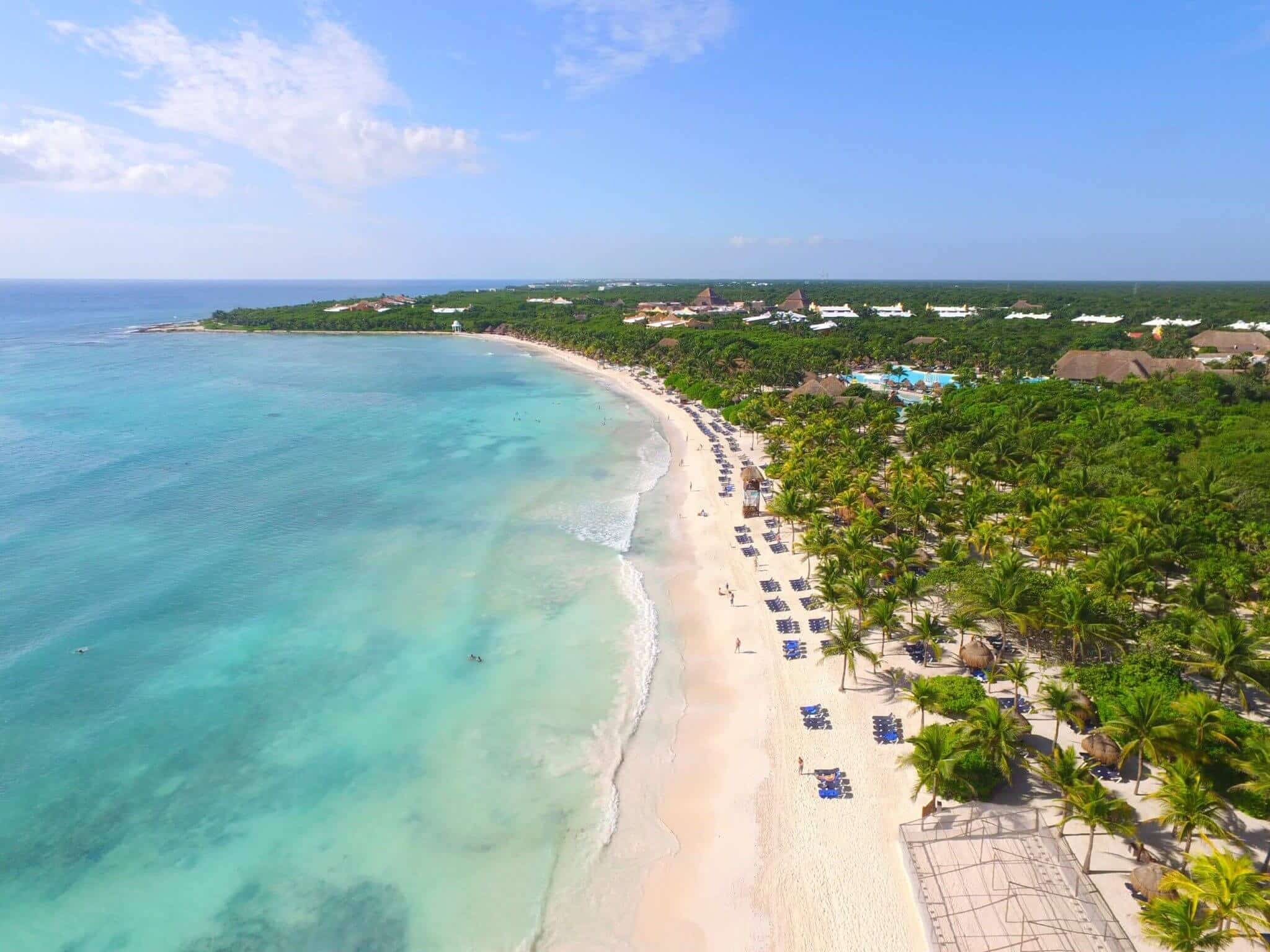
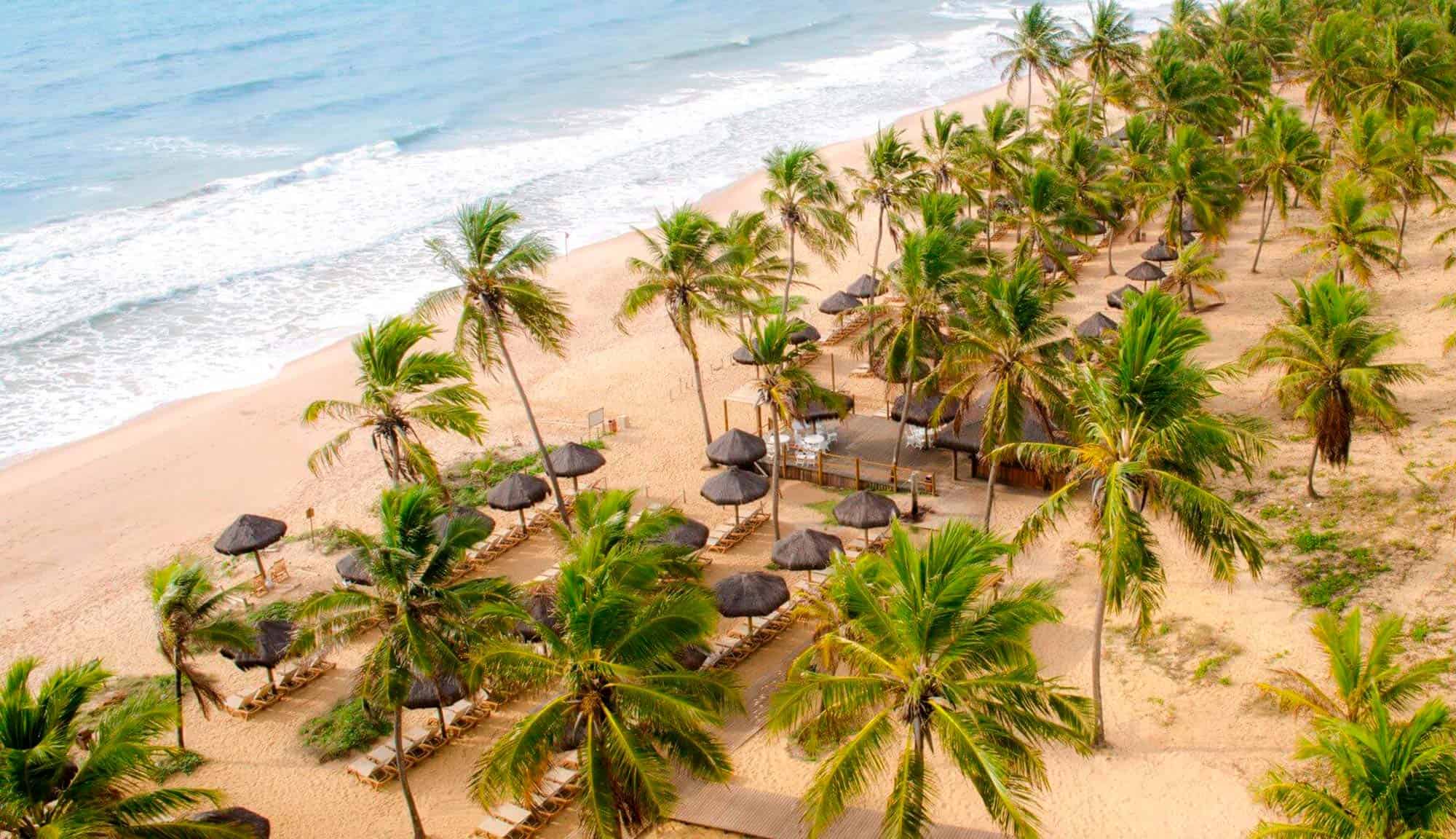
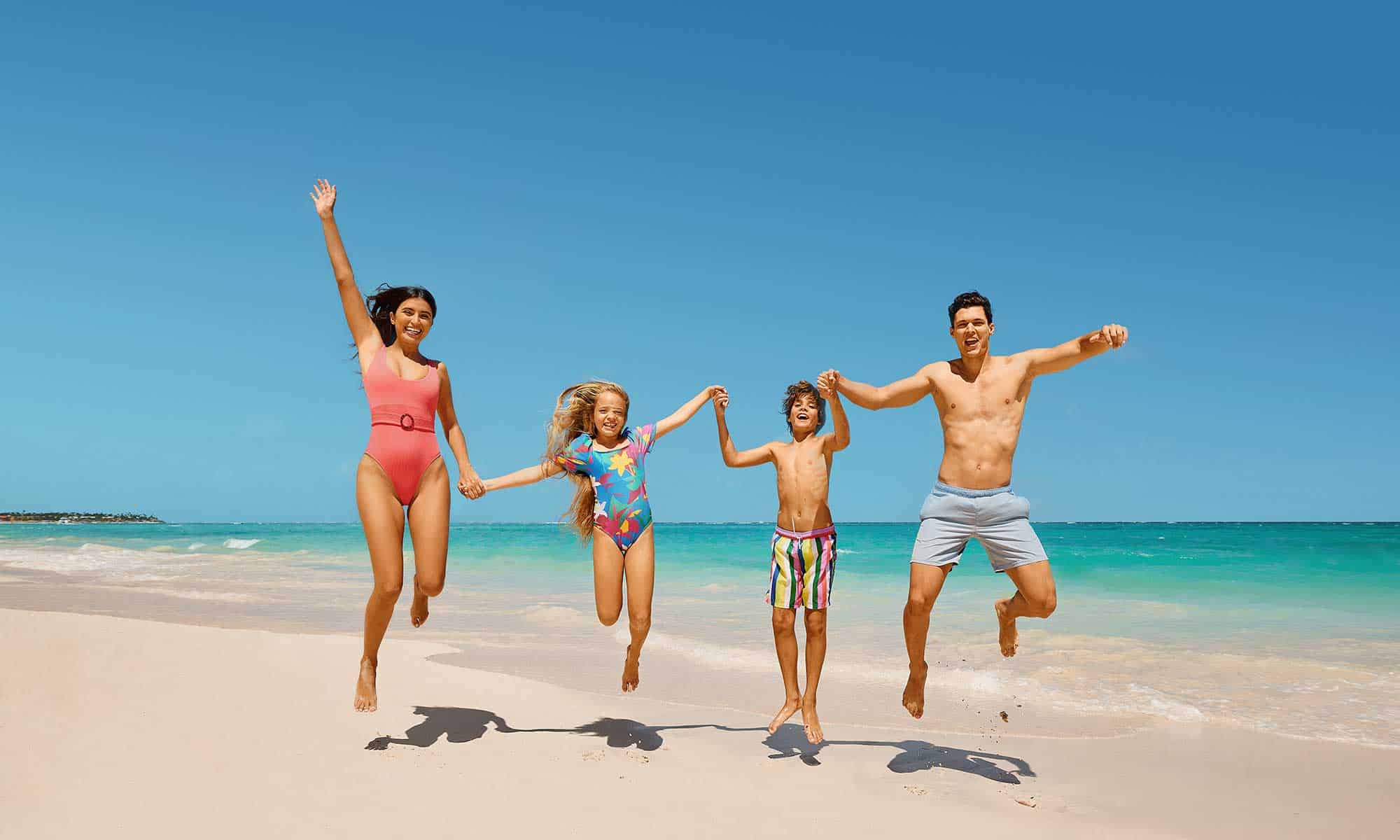
The first thing we suggest you do upon arriving on the island is to discover its idyllic beaches. Formentera boasts picture-perfect coves, such as Caló d'Es Mort or Cala Saona, as well as extensive sandy areas that are ideal for water sports, the best of these being Ses Illetes and Es Migjorn.
They all share the same features: fine, light-coloured sand, crystal-clear waters in a multitude of blue hues, and an immediate sense of calm that helps you completely disconnect. Here, time seems to stand still, and the Mediterranean reveals itself in its purest and brightest form.
Discover lighthouses
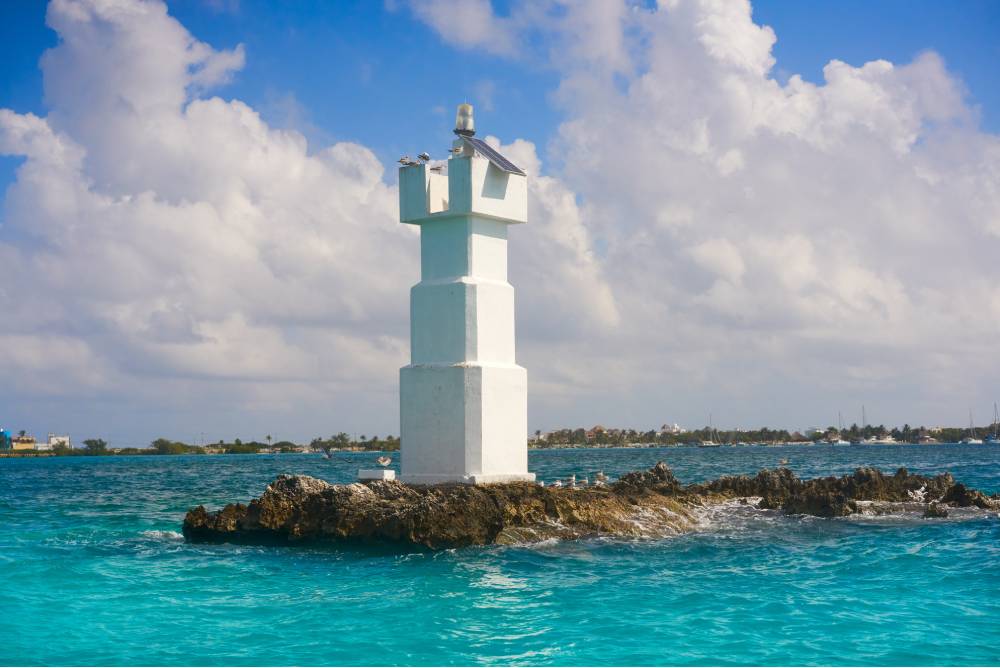
One of Formentera's greatest attractions is its lighthouses: authentic natural viewpoints that offer spectacular views of the cliffs and the sea. The Cap de Barbaria lighthouse is undoubtedly the most famous for its appearances on the big screen. From the spectacular Cova Foradada, an opening in the rock that leads to a small viewpoint suspended over the sea, you can enjoy one of the most beautiful sunsets in the Mediterranean.
A visit to the Mola Lighthouse, an iconic symbol of Formentera, is also a must. Located at the island's highest point, it offers a sense of majesty and isolation that captivated even Jules Verne: a monument dedicated to the writer stands next to the lighthouse. Finally, while not as well-known as the others, the Savina Lighthouse is often the first and last image that travellers take away from the island.
Visit its whitewashed towns
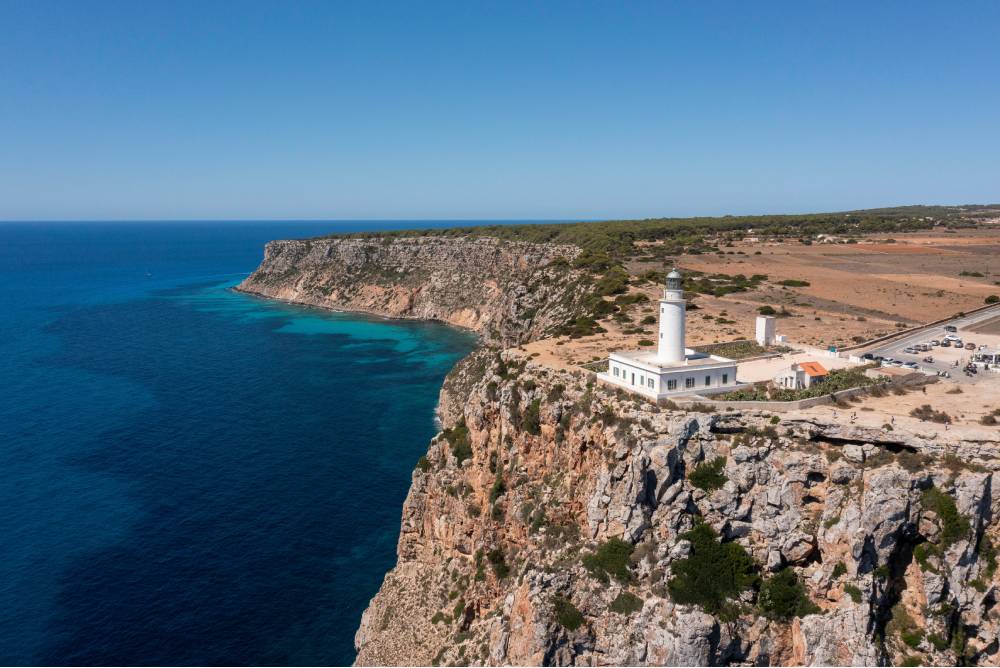
The towns of Formentera share a distinctive traditional style, characterized by white facades, simple lines, and practical architecture that reflects the island's understated, Mediterranean character. The smallest of the Pityusic Islands has six towns, although the centre of social and administrative life for the islanders is its capital: Sant Francesc. Here you'll find a wide range of restaurants, a renowned craft market, and numerous services.
La Savina is the gateway to the island and another popular spot. Its pier, which began as a small mooring for fishing boats, is now a marina which is an ideal place to plan a boat trip. You can also enjoy its peaceful beaches and coves and, in July, participate in the festivities in honour of the town's patron saint, Our Lady of Mount Carmel.
Beyond the main cities, it's worth exploring the smaller, quieter villages, such as Sant Ferran, Es Pujols, Es Caló de Sant Agustí or Pilar de la Mola, where life moves at a slower pace and Formentera’s most authentic traditions.
2. Things to do in Formentera
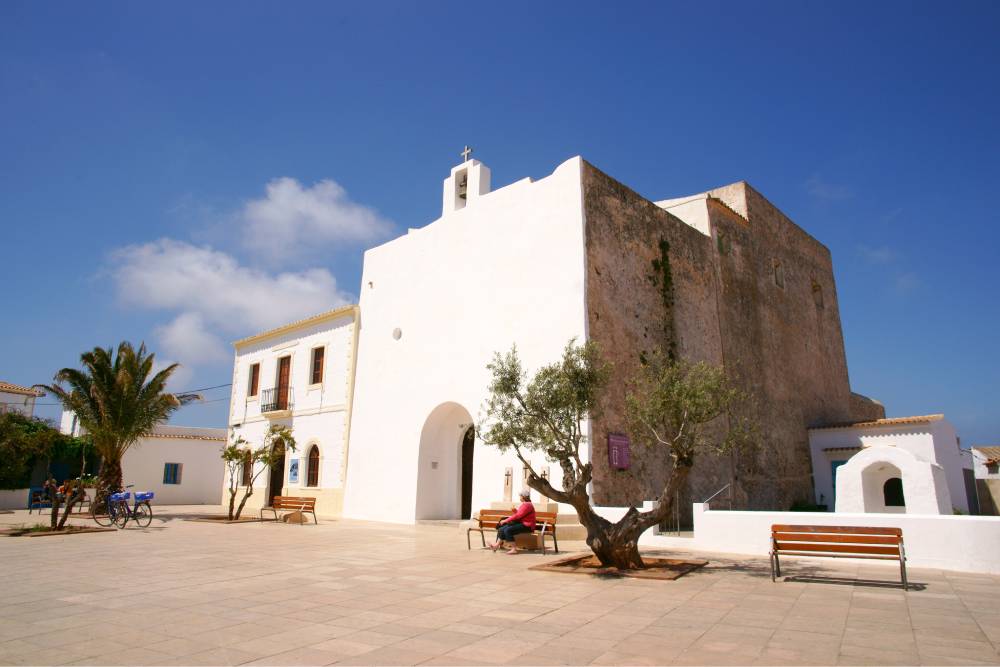
The island has something for everyone: from crystal clear beaches and protected natural areas to cultural sites and outdoor activities.
Excursion to Ses Salines Natural Park
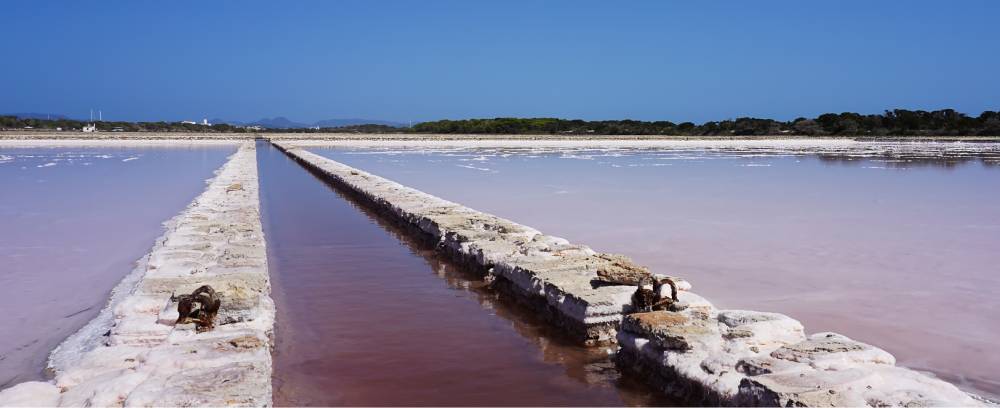
Declared a World Heritage Site by UNESCO in 2001, the Ses Salines Natural Park is one of the most valuable protected areas in the Balearic archipelago due to its extraordinary cultural, ecological, and scenic value. This unique area covers 1,786.52 hectares of land and 13,611.80 hectares of sea, stretching from southern Ibiza to northern Formentera. This is a unique opportunity to explore diverse landscapes, each with its own ecological characteristics and numerous species of flora and fauna: extensive white sand beaches, well-preserved dune systems, centuries-old junipers shaped by the wind, cliffs covered with pines, old saltworks still in operation, and archaeological remains of great historical value.
Shopping at the markets
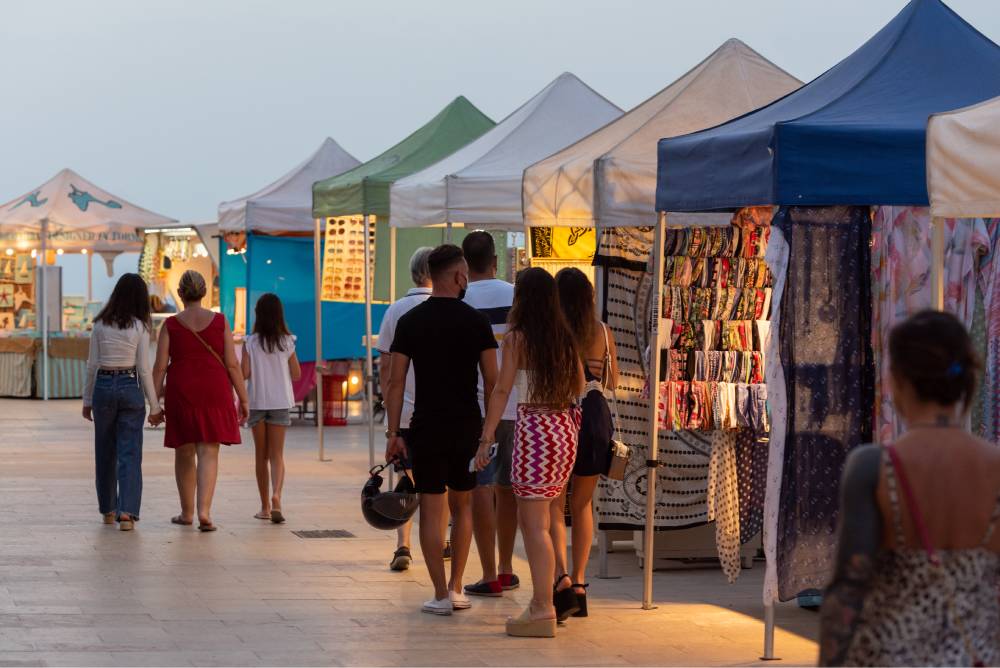
From May to October, Formentera comes alive with its craft and art markets. There you'll find only pieces designed and made in the island's workshops: handmade jewellery, works by resident artists, traditional espadrilles, natural fibre baskets, and unique items hard to find elsewhere.
Among the most popular are the La Mola and Sant Ferran Craft Markets, although the Sant Frances street market, which includes second-hand items, is also an interesting option. Es Pujols and La Savina are ideal for discovering Formentera’s more bohemian side. In all of them, the experience goes far beyond shopping: live music, gastronomic tasting and a lively atmosphere.
Wine tasting and typical food
Did you know that Formentera boasts almost 80 hectares of vineyards? Discover the island's winemaking tradition by visiting wineries such as Terramoll or Es Cap de Barbaria, where activities include walks through the vineyards, tastings, and trying appetizers made with local products from the Balearic Islands.
When it comes to dining, you will love the simplicity and authenticity of the island's gastronomy. Be sure to try peix sec (sun-dried fish), the star ingredient of the popular ensalada payesa (traditional Balearic salad), or frit de polp (fried octopus), one of the most representative dishes of traditional Formentera cuisine. Furthermore, if you travel between May and October, you can enjoy "Gastronomic Weekends," when the island's best restaurants offer special menus designed to showcase local produce and the creativity of their kitchens to visitors.
-
How do I get to Formentera?
This exclusive island can only be reached by sea from Ibiza. Ferries depart approximately every 35 minutes.
-
What activities are there for children in Formentera?
Yes, in Formentera you'll find activities for the whole family: diving, snorkelling, boat trips, fishing, hiking, and horseback riding. At the tourist offices, you can find out about the authorized companies that organize outdoor activities.
-
When is the best time to visit Formentera?
Formentera can be visited year-round. However, if you're looking for peace and quiet, the atmosphere is more tranquil between October and May, allowing you to calmly enjoy its beaches, nature trails, and towns.
- See more questions
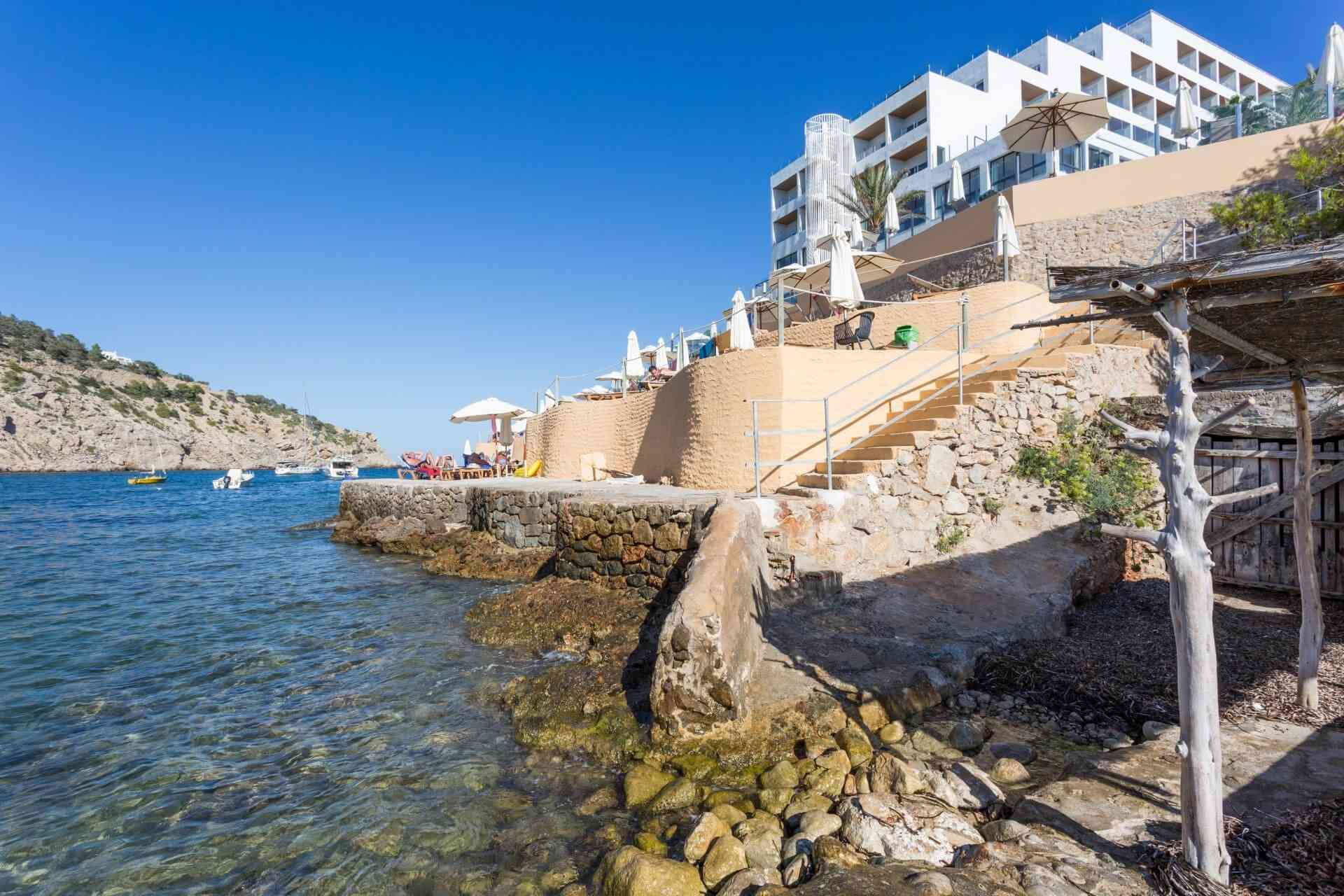
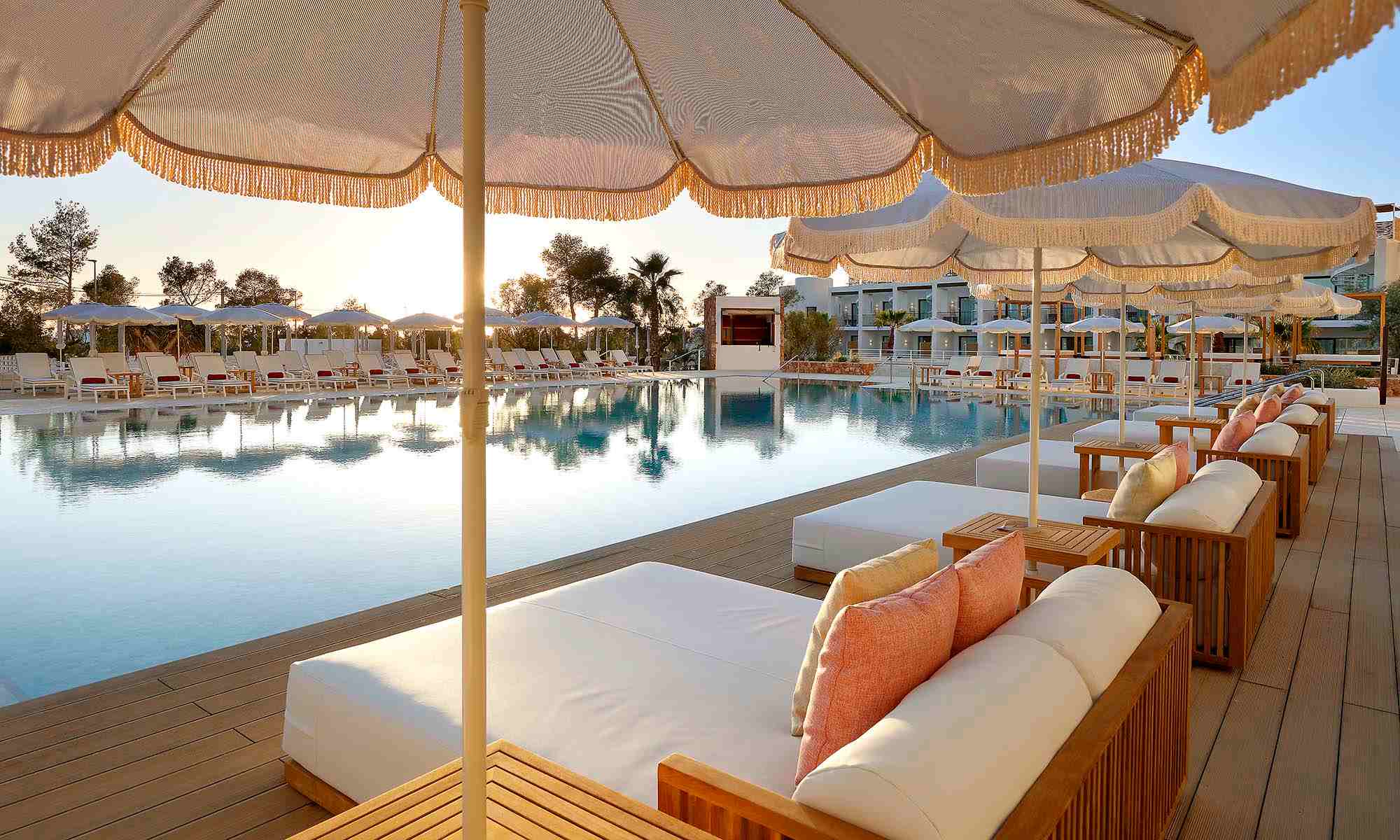
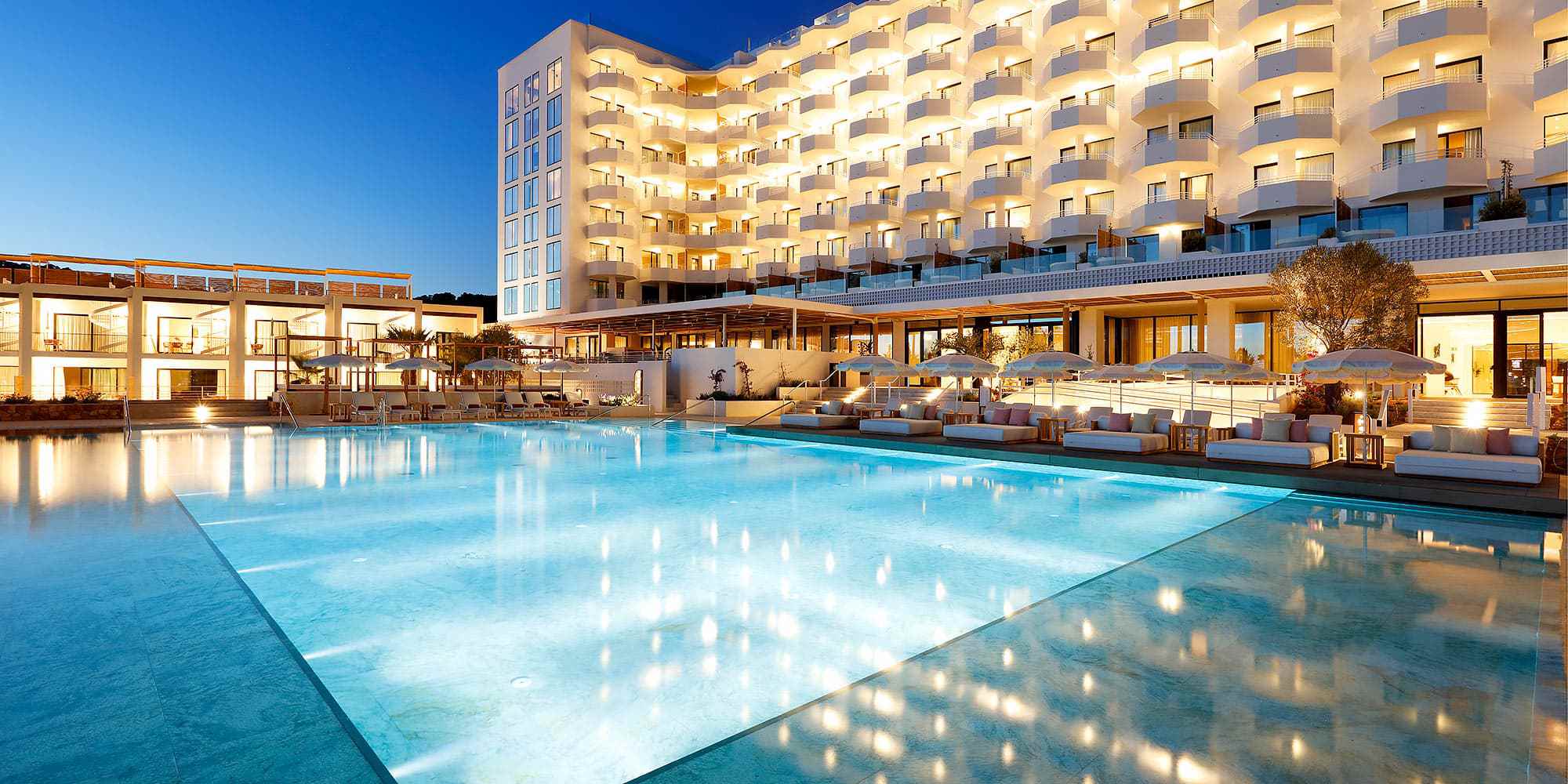
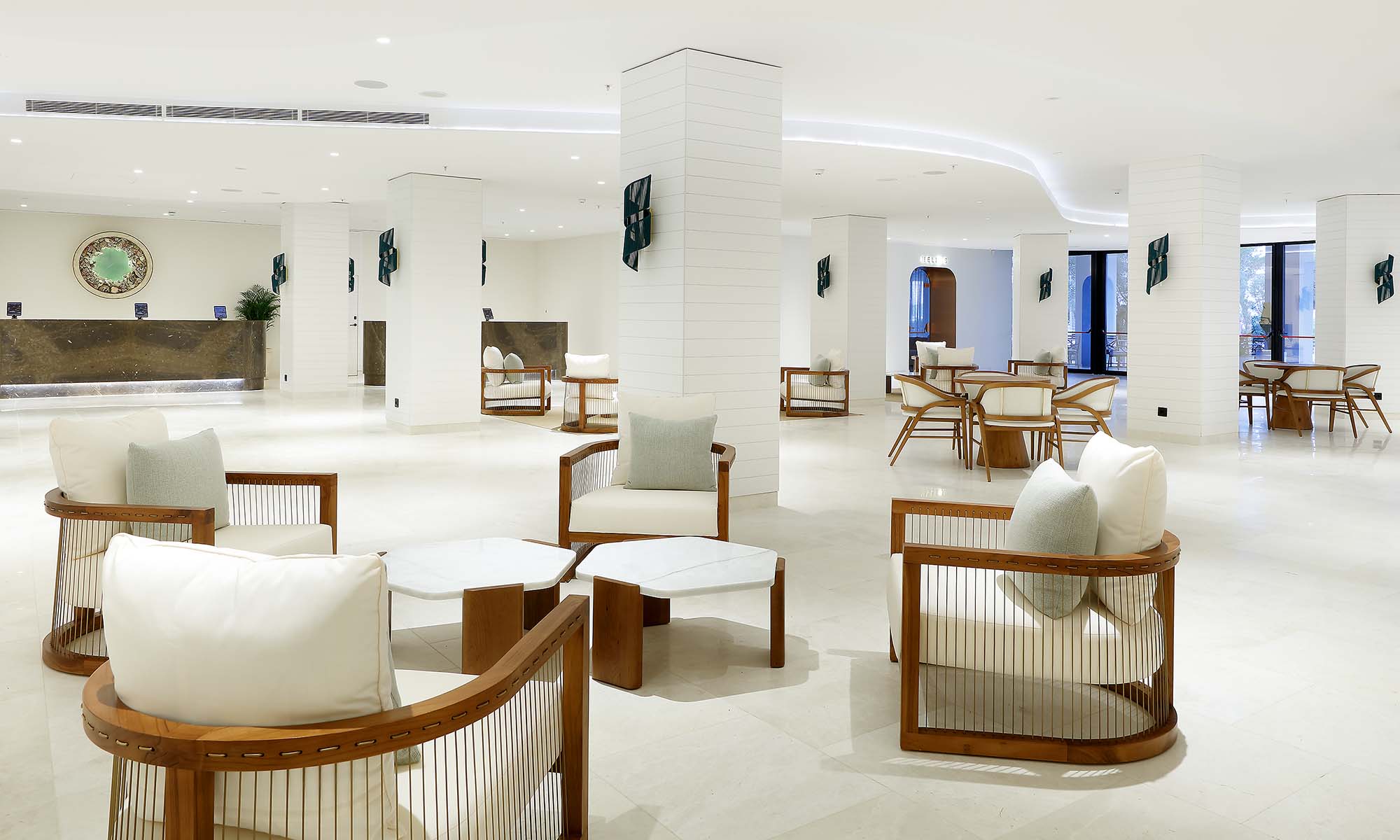


The best hotels in Ibiza


4.0text.accommodation.listing.star.rating.stars
Playa d'en Bossa - Ibiza, España, Spain
4.0text.accommodation.listing.star.rating.stars
Playa d'en Bossa - Ibiza, Spain
4.0text.accommodation.listing.star.rating.stars
Playa d'en Bossa - Ibiza, Spain
4.0text.accommodation.listing.star.rating.stars
San Antonio - Ibiza, Spain
4.0text.accommodation.listing.star.rating.stars
Santa Eulalia - Ibiza, España, Spain
4.0text.accommodation.listing.star.rating.stars
Cala Gració - Ibiza, ESPAÑA, Spain
4.0text.accommodation.listing.star.rating.stars
Playa d'en Bossa - Ibiza, ESPAÑA, Spain
4.0text.accommodation.listing.star.rating.stars
Playa d'en Bossa - Ibiza, ESPAÑA, Spain
Load more hotels