









Es Vedrá: Ibiza’s magical sunset
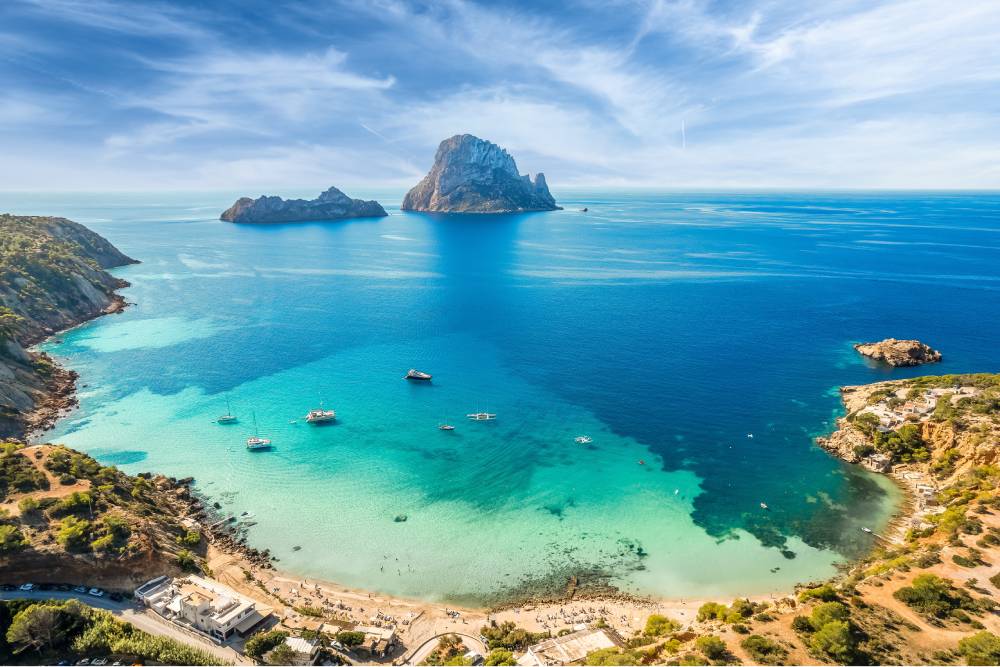
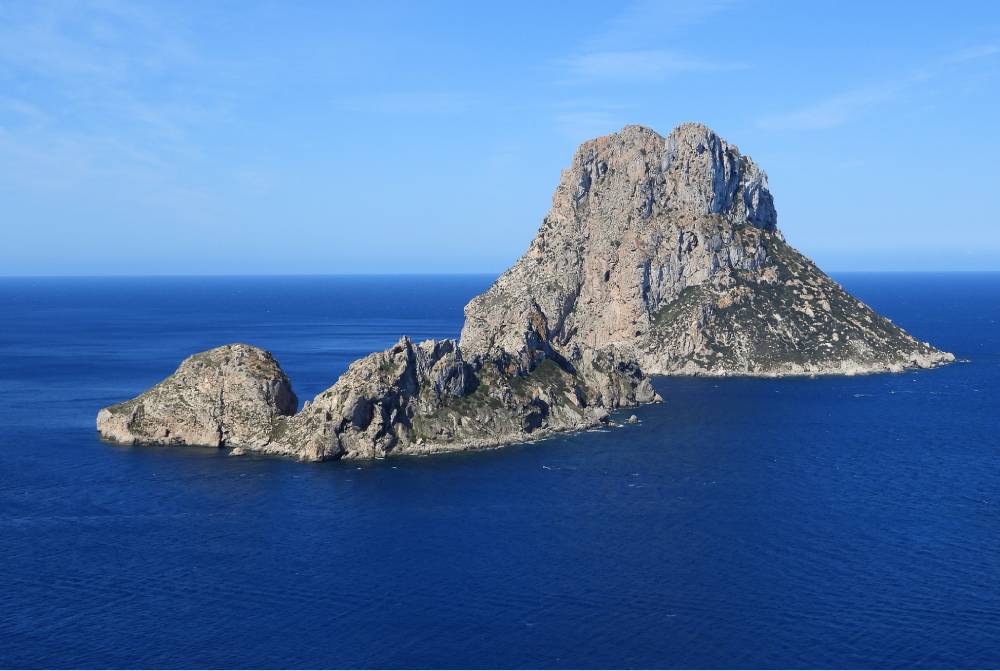
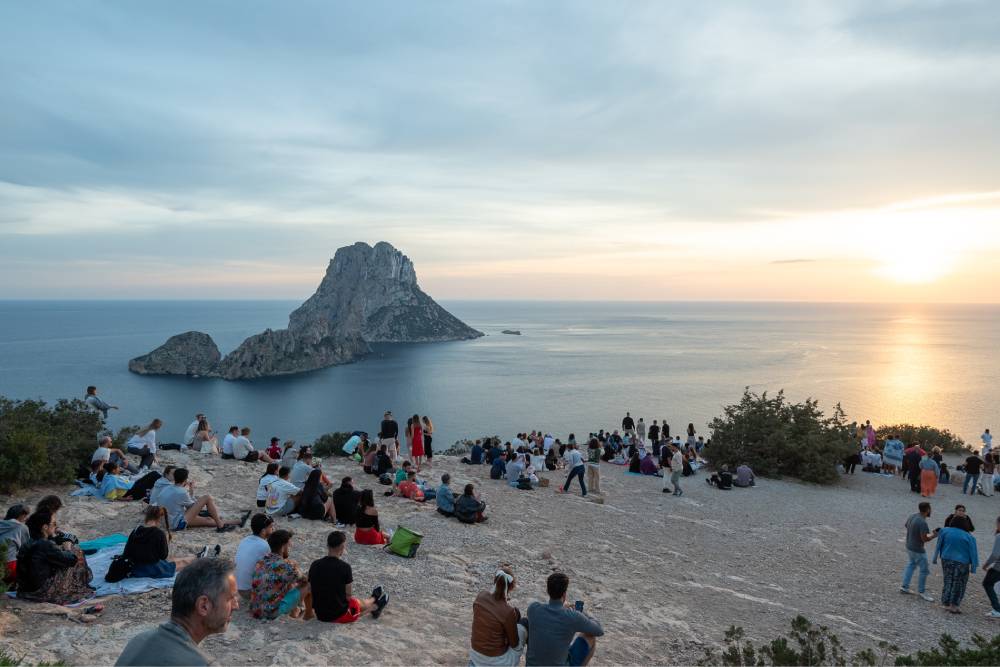
Off the southwest coast of Ibiza rises the imposing Es Vedrà, a rocky islet 382 metres high that has become an Ibizan symbol for its natural beauty and enigmatic aura. Stemming in legend, it is currently a protected area and therefore off-limits to visitors. However, observing it from the deck of a boat or from land is an almost mystical experience that will bring you closer to the island's most authentic and spiritual side, beyond its beaches and nightlife.
1. History and Legends of Es Vedrà
With its monumental scale and its abrupt profile rising almost vertically from the sea, Es Vedrà has always been a magnet for legends.
One of the most popular maintains that it was an ancient Phoenician place of worship, linked to the goddess Tanit, a deity associated with fertility, the moon, and protection, and highly venerated on ancient Ibiza. Other stories go even further and place this rocky islet on the map of great universal myths, such as Atlantis or the Homeric tales. On the other hand, more contemporary theories point to it as a strategic location for UFO sightings or as a hotspot of electromagnetic anomalies, similar to the North Pole or the Bermuda Triangle.
Beyond myth, Es Vedrà possesses a documented history linked to spirituality. In the 19th century, the Carmelite monk Francisco Palau retreated to this environment for a time to meditate and seek a deeper connection with the divine. The long periods of fasting caused him to have celestial visions that were reflected in his work, reinforcing the idea of Es Vedrà as a place of spiritual retreat.
2. The natural beauty and ecological value of Es Vedrà
Beyond the legends and enigma that surround it, Es Vedrà is a genuine natural sanctuary. At first glance, its arid appearance might suggest an inhospitable environment, but in reality, the islet is an ecosystem rich in biodiversity.
One of its greatest treasures is its birdlife. Every year, Eleonora's falcon (Falco eleonorae) comes to this isolated and safe islet to nest and raise its chicks.
The ecological value also extends to the marine environment. The exceptionally clean and transparent waters surrounding Es Vedrà are home to a rich underwater life. Numerous species of fish, octopuses, and other invertebrates can be found here, and you may spot dolphins in the open sea.
On land, the flora has adapted to an extreme environment, marked by the scarcity of soil, wind, and salinity. Native species such as the Ibizan houseleek and the seaside juniper grow here: hardy plants of extraordinary botanical value.
The whole area creates a landscape of great visual and ecological impact, ideal for wildlife viewing, snorkelling, and scuba diving.
3. Tips for visiting Es Vedrà
When planning your visit to Es Vedrà, it's essential to keep in mind that it's not open to the public. The islet, as part of the Cala d'Hort, Cap Llentrisca i Sa Talaia Natural Park, is a protected natural area. This designation limits access to the mainland but doesn't prevent sailing around it.
Therefore, one of the most appealing ways to experience it is by booking a boat trip along the southwest coast of Ibiza. These trips allow you to circle Es Vedrà at a safe distance and respect environmental protection regulations. The tour usually also includes other sites of natural and historical interest, such as Sa Pedrera de Cala d'Hort, popularly known as Atlantis; the Torre des Savinar, an 18th-century defensive tower erected to protect the island from pirate and corsair raids; or beautiful coves such as d'Hort, Carbó, Vadella or Molí, quiet, wild and perfect for snorkelling or taking a refreshing dip.
-
How to get to Es Vedrà?
The usual way to see Es Vedrà is from land, although the famous Torre des Savinar viewpoint has recently closed. It can still be seen from Cala d'Hort and high points in Cala Tarida or Sant Josep. Another option is to view it from the deck of a boat. Excursions mainly depart from the port of Sant Antoni de Portmany.
-
Is Es Vedrà a recommended activity for children?
Yes, it's an ideal family excursion, combining fun, cultural interest, and environmental awareness. During the trip, you can enjoy spotting native species, learn about the island's history, and participate in activities such as diving, snorkelling, and swimming.
-
When is the best time to visit Es Vedrà?
The best time to visit Es Vedrà is from April to June and from September to October, when the weather is milder, the sea calmer, and there are fewer tourists.
- See more questions



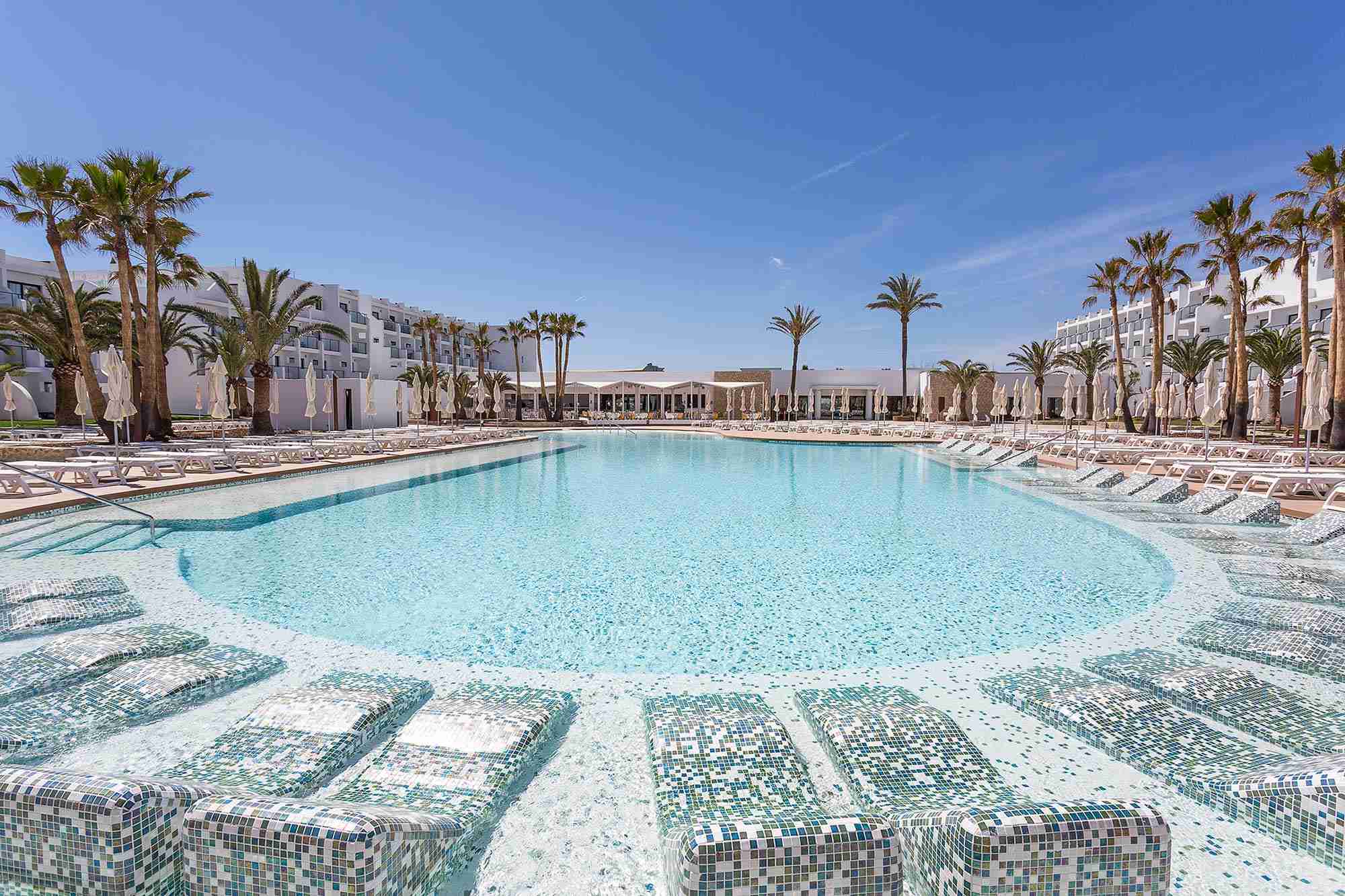
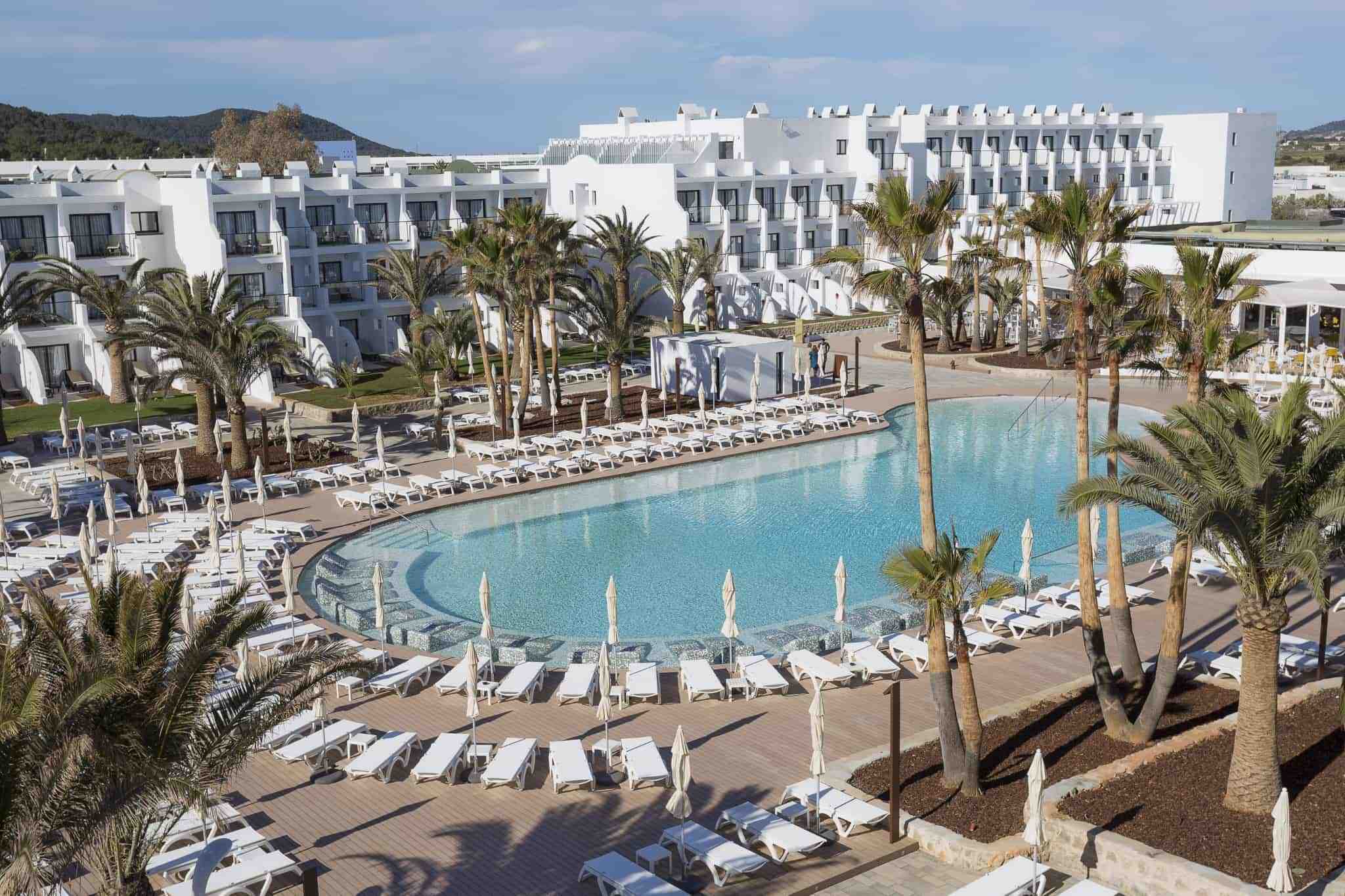








The best hotels in Ibiza




4.0text.accommodation.listing.star.rating.stars
Playa d'en Bossa - Ibiza, España, Spain
4.0text.accommodation.listing.star.rating.stars
Playa d'en Bossa - Ibiza, Spain
4.0text.accommodation.listing.star.rating.stars
Playa d'en Bossa - Ibiza, Spain
4.0text.accommodation.listing.star.rating.stars
San Antonio - Ibiza, Spain
4.0text.accommodation.listing.star.rating.stars
Santa Eulalia - Ibiza, España, Spain
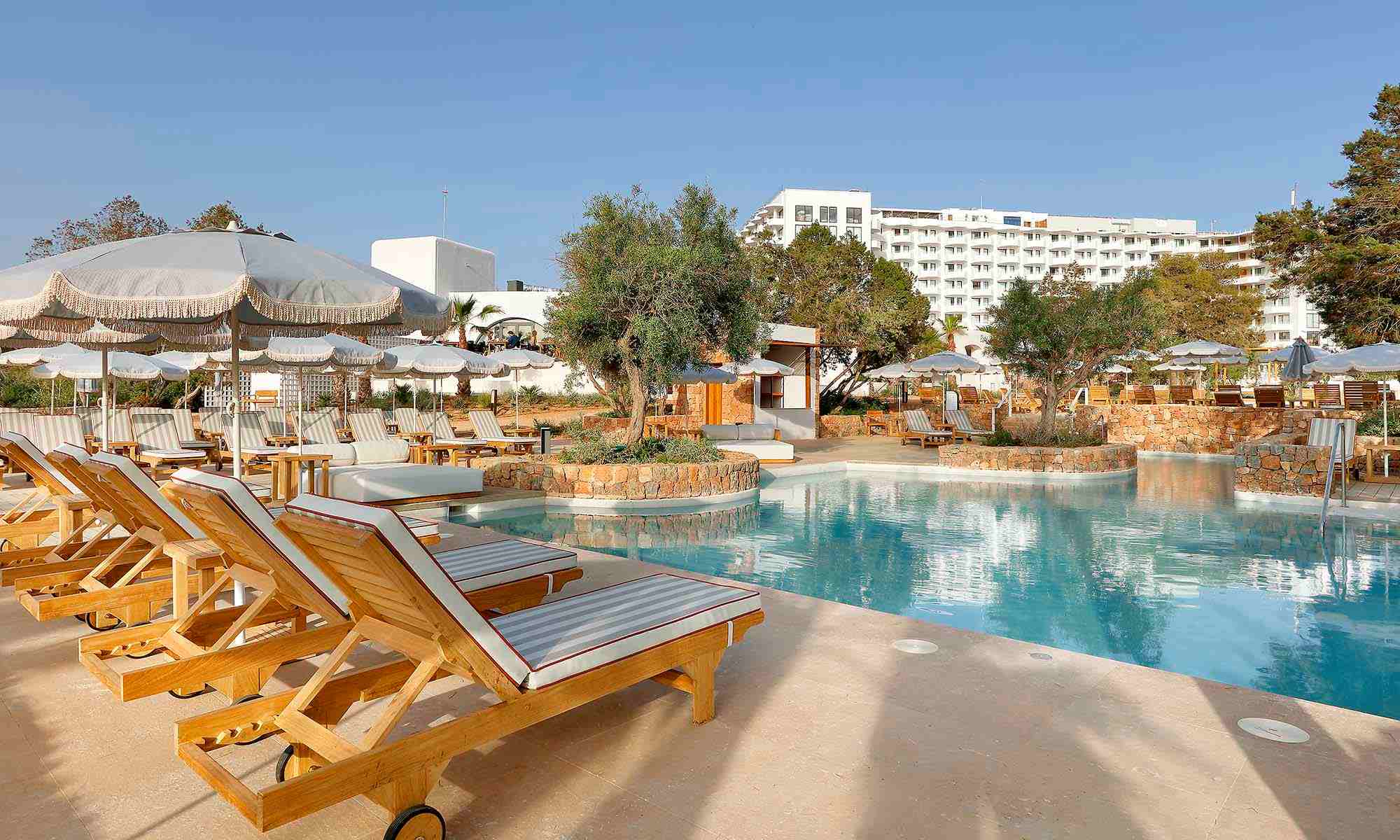
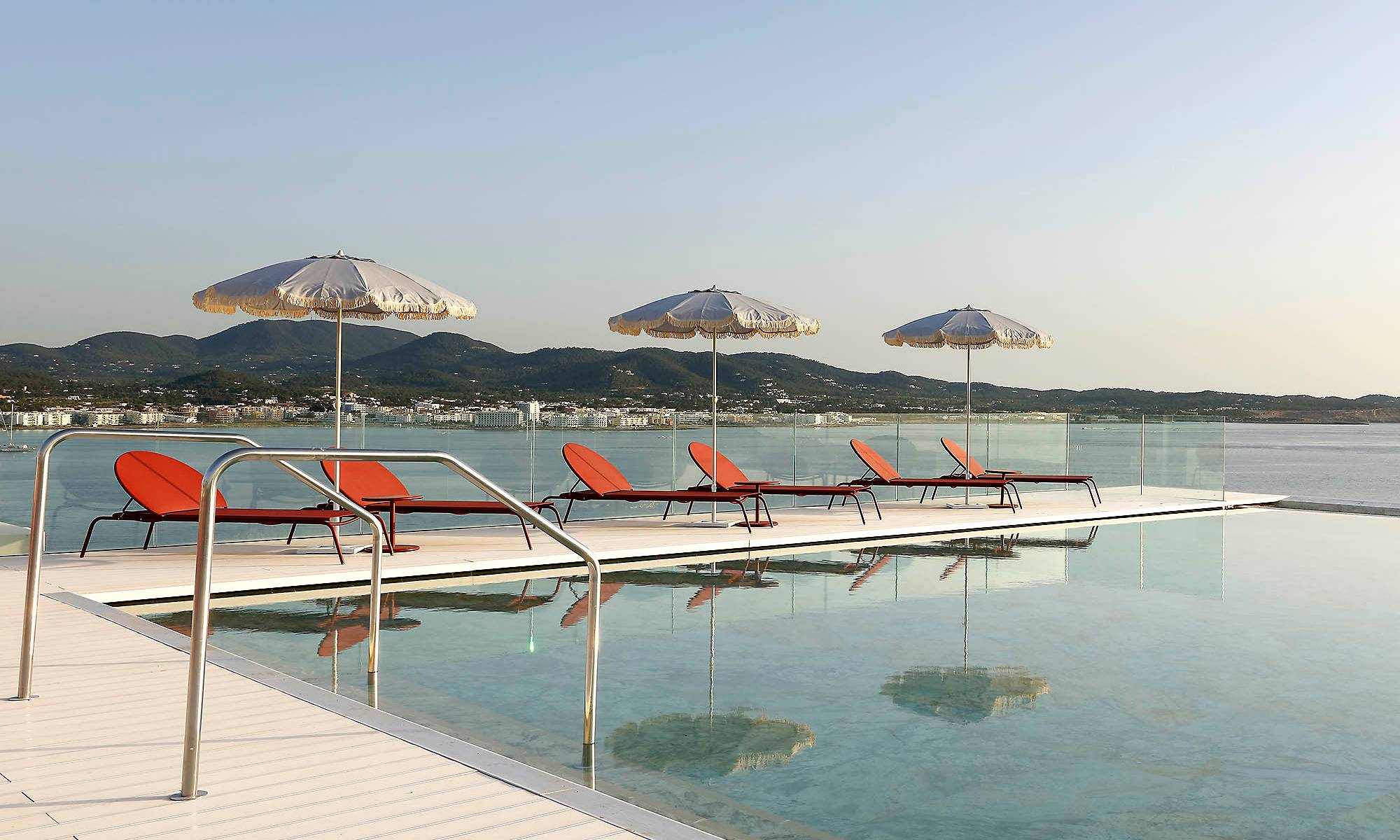
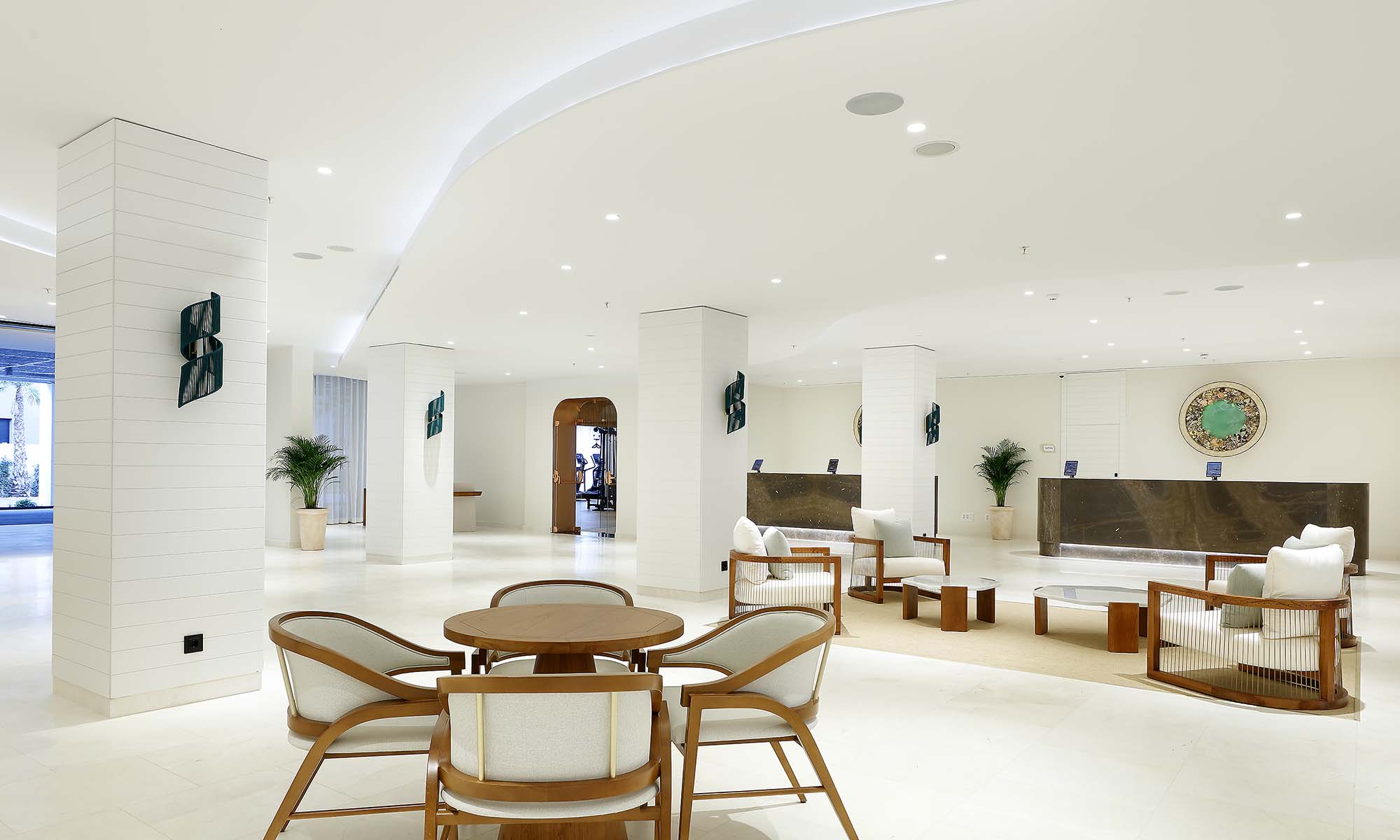
4.0text.accommodation.listing.star.rating.stars
Cala Gració - Ibiza, ESPAÑA, Spain
4.0text.accommodation.listing.star.rating.stars
Playa d'en Bossa - Ibiza, ESPAÑA, Spain
4.0text.accommodation.listing.star.rating.stars
Playa d'en Bossa - Ibiza, ESPAÑA, Spain
Load more hotels