

















Traditional food of Bahia
Bahia cuisine is a delicious fusion of flavors and cultures, highlighting dishes made with spices and delicious cocktails like the caipirinha.
Bahia cuisine is the result of the fusion of African and European traditions with indigenous products and preparations. In colonial times, African slaves worked in the kitchens of important European families. That is how recipes were created containing cultural characteristics from three continents: Africa, Europe and the Americas. From the Americas came corn and cassava. From Africa, different oils, such as dende, and grains. The Portuguese, acclaimed sailors, brought the meats, fish, olive oil and desserts made with sugar cane. The result is a series of delicious and well-seasoned dishes that have reached international fame.
Moqueca
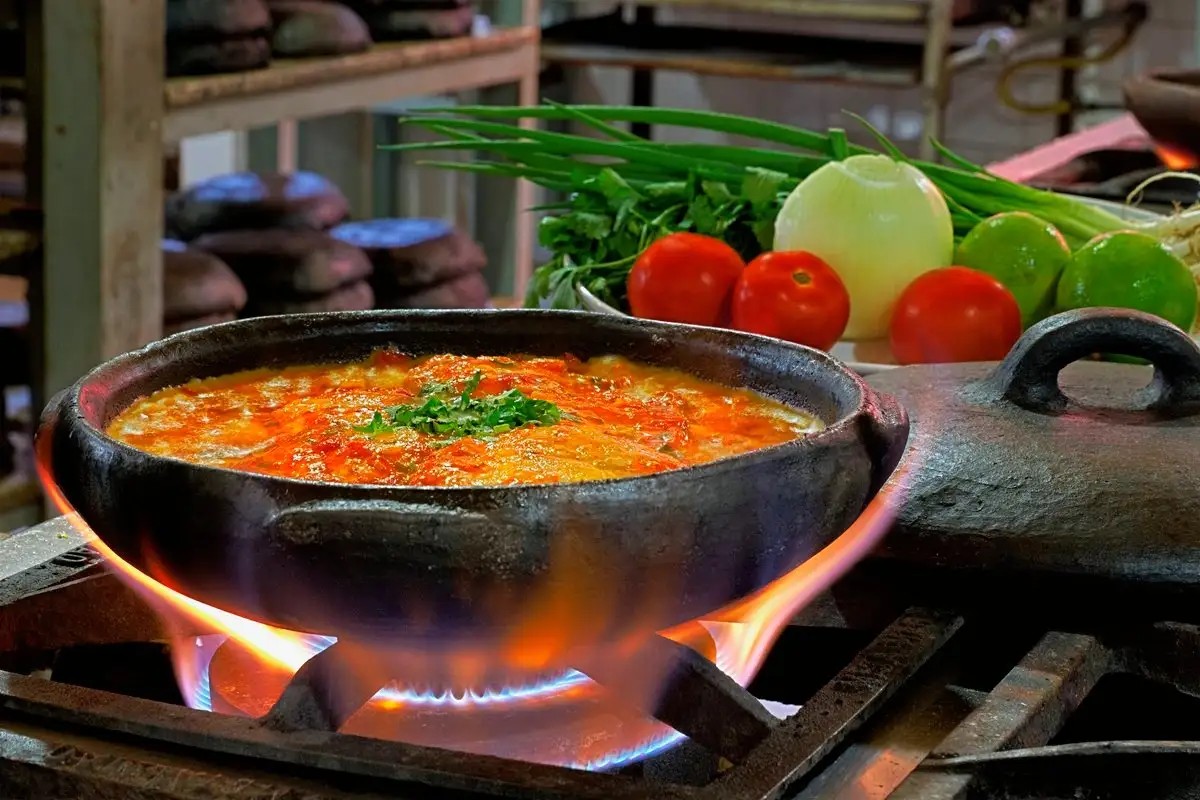
This traditional fish stew from Bahia is a national treasure. It is prepared in a clay pot with tomato, onion and cilantro and is paired with a cooked cassava flour dish (called pirão). The sauce is made with different colored peppers, dende oil (palm oil), coconut milk and melegueta pepper.
Acarajé
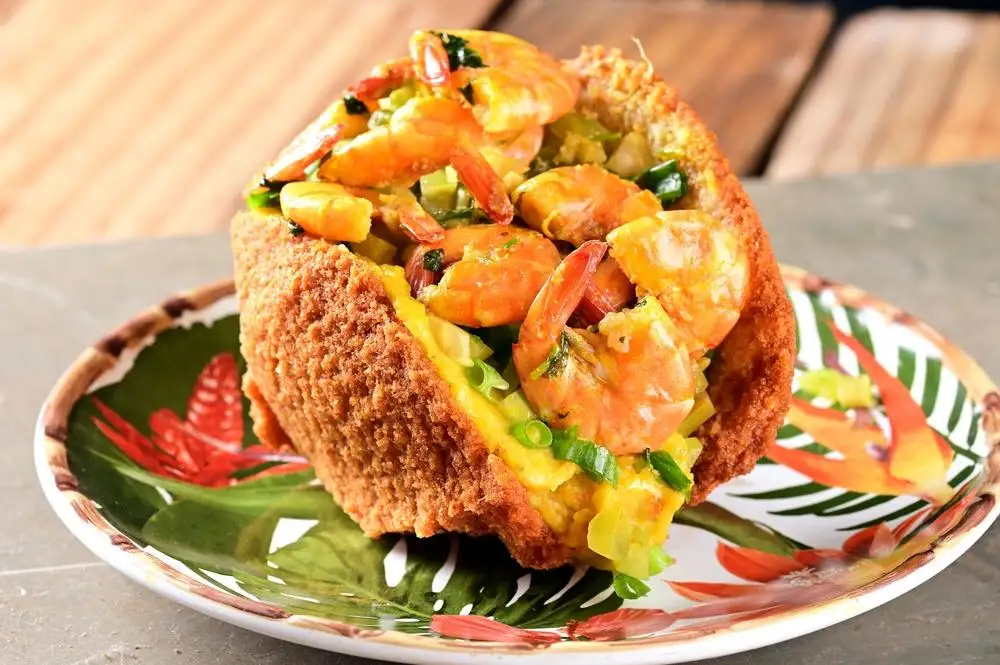
Acarajé is a traditional snack of African origin that is sold in the streets of the capital, mainly by Bahian women dressed in traditional clothing. They are round fritters made with bean and onion dough, fried in the aromatic dende oil (palm oil), which gives them their characteristic orange color. Then, they are cut in half and filled with shrimp and a sauce made of bread crumbs, ginger, melegueta pepper, peanuts and coconut milk. You can also find them stuffed with fish, chicken or another type of meat.
Vatapá
Vatapá is a stew made with seafood, coconut sauce and cilantro. It has the texture of a creamy purée and is generally served with acarajé. At some restaurants it is also prepared with cod or beef, or served with rice.
Abará
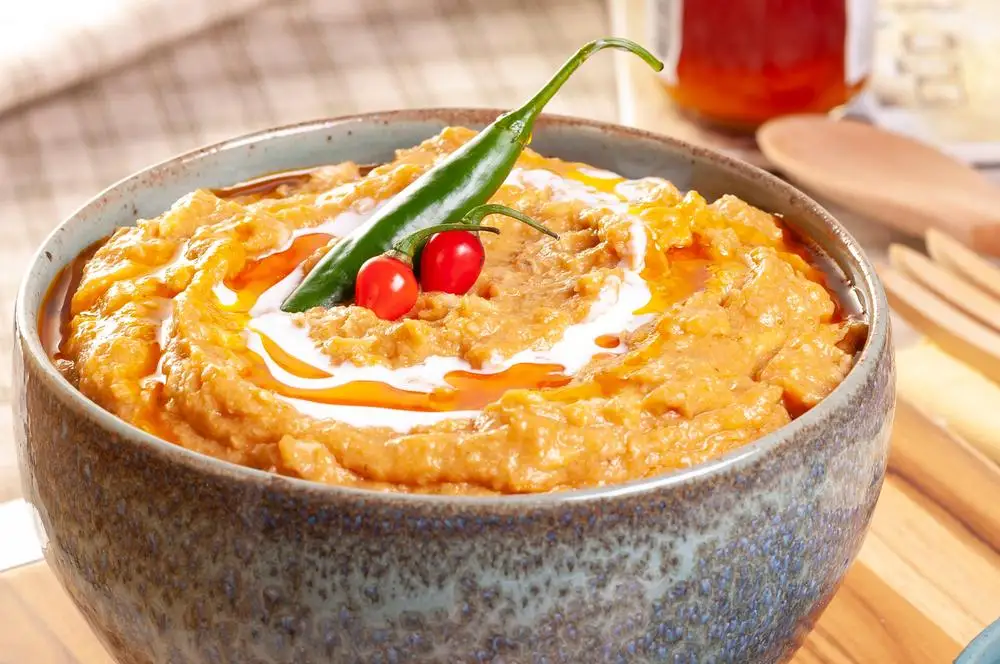
Abará is a dumpling made of black-eyed pea flour dough, very similar to acarajé. The only difference is that abará is cooked, while acarajé is fried. Originally, this snack was served without any additional ingredients, but currently it can be paired with vatapá, shrimp, caruru, salad and banana leaves for wrapping.
Bolinho de Estudante
Bolinho de estudante is a fried sweet made with a tapioca, coconut, sugar and cinnamon dough. It is a kind of sweet croquette, where the crunchy outer crust is wrapped around a creamy dough, sweet and fluffy.
Feijoada
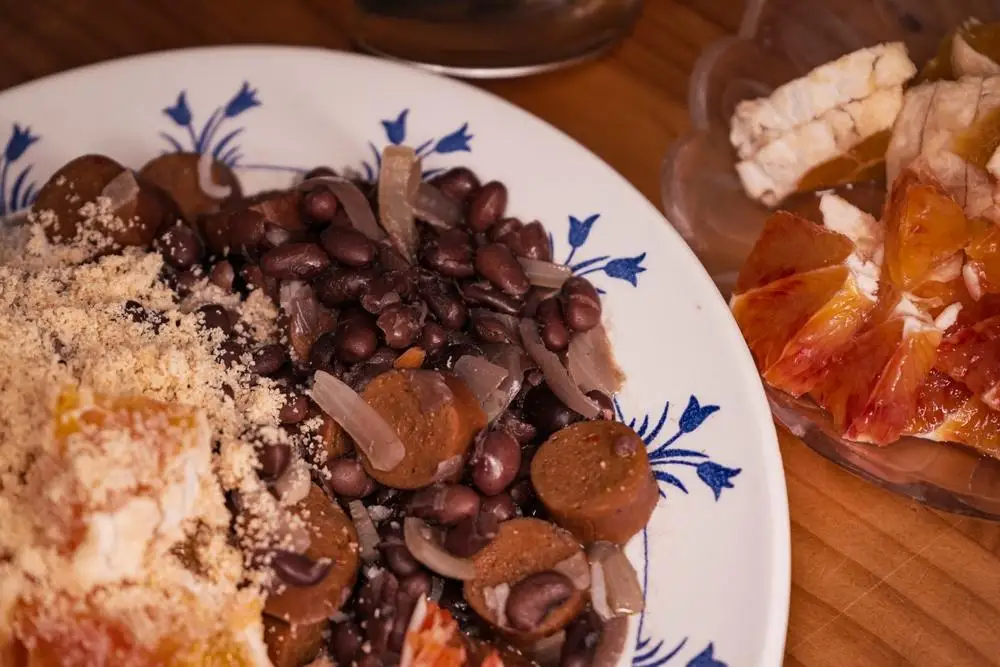
Feijoada, a traditional Brazilian dish, is a black bean stew cooked slowly with different types of salted and smoked meats. It is served with white rice, orange slices, farofa (toasted cassava flour), couve (sautéed kale) and mojo de pimiento (a spicy sauce). The combination of flavors in this recipe is surprising and very comforting.
Drinks and spirits in Bahia
Bahia cuisine, on top of a wide variety of delicious dishes, also offers refreshing drinks and cocktails for every taste, including the very famous cachaça, the sweet caipirinha and the stimulating guaraná soft drink.
Cachaça
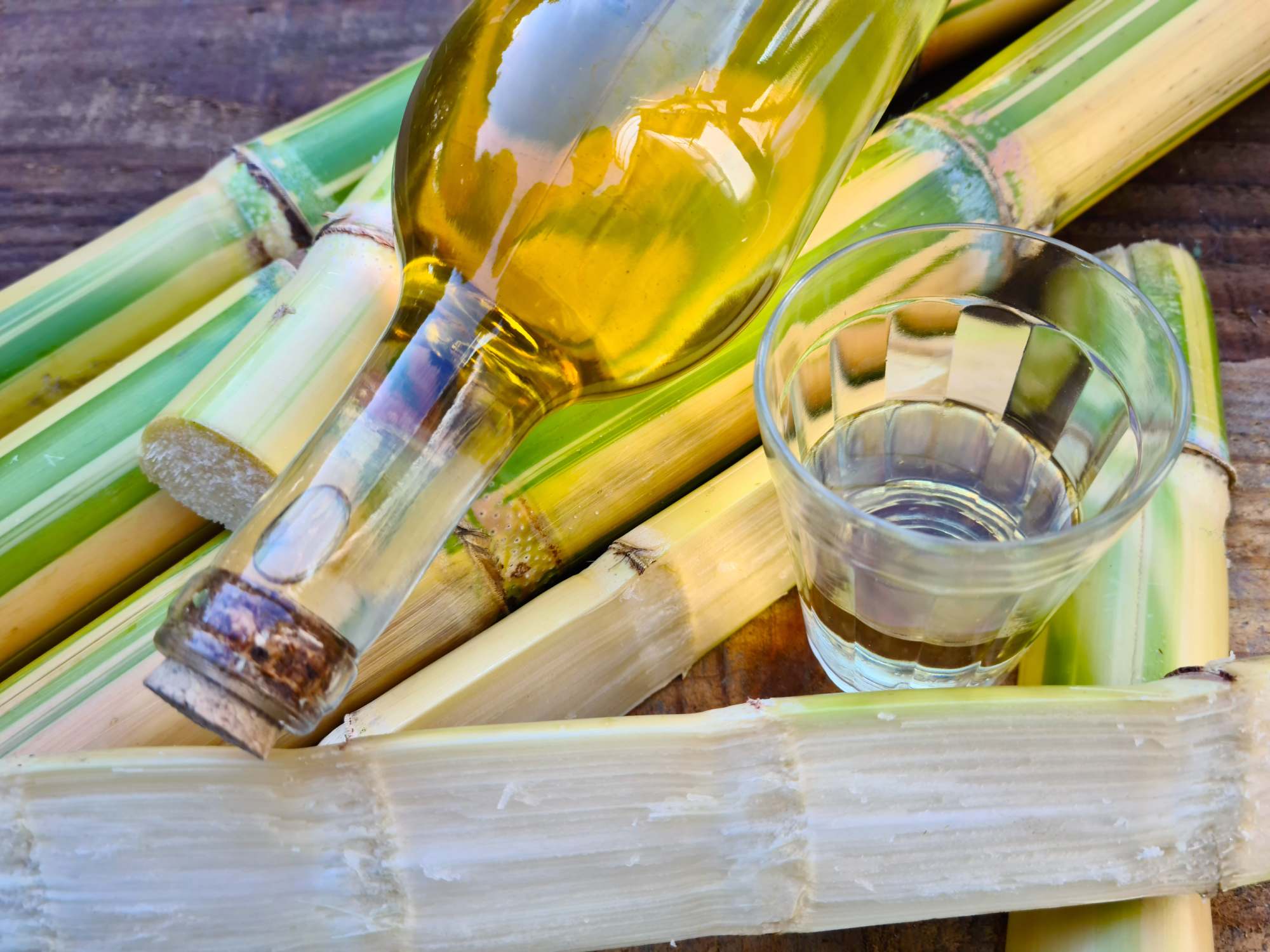
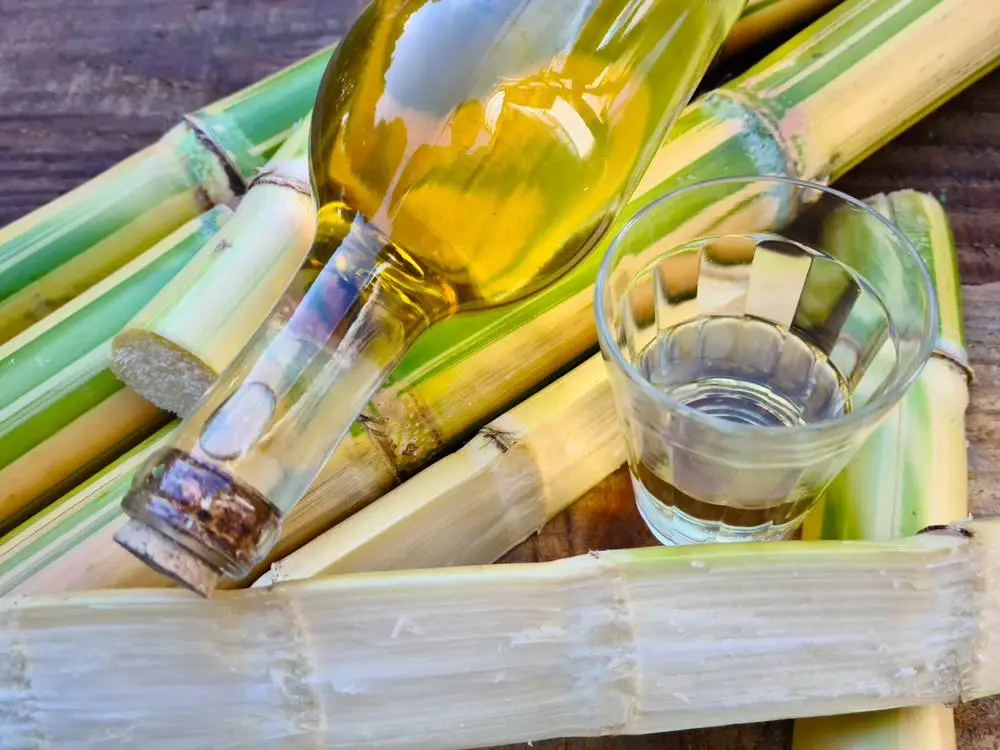
This spirit has been recognized as Historical and Cultural Heritage of Rio de Janeiro and is considered the main national drink. Like most of the traditional drinks, its origin goes back to colonial times. During sugarcane production, the slaves discovered that the thick foam that collected at the top of the cauldrons during the first round of boiling the cane liquid turned out to be a delicious spirit. Today, this spirit is known throughout the world thanks to the caipirinha, a drink made with cachaça.
Caipirinha
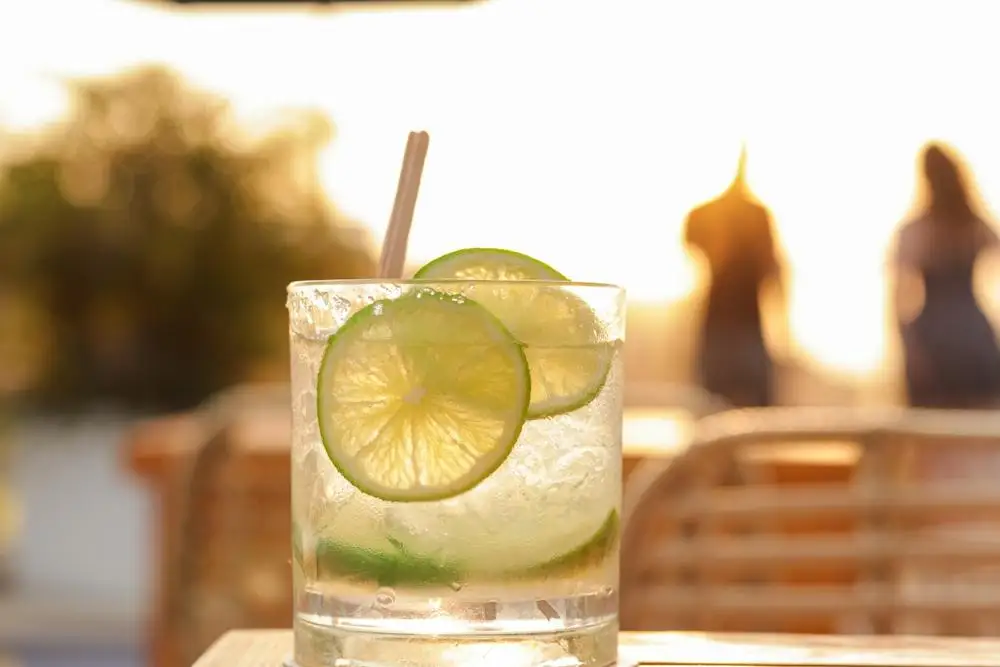
The caipirinha is Brazil’s most international cocktail. In the past, it was made for medicinal purposes to fight the Spanish flu. At that time, it was made with lime, garlic, honey and alcohol, to accelerate the therapeutic effect. Over time, sugar was added to balance the sour lime and the amount of garlic and honey was reduced until the current drink was achieved. Generally, it is served chilled with crushed ice and a lime wedge, to ease the warm Bahia nights.
Guaraná soft drinks
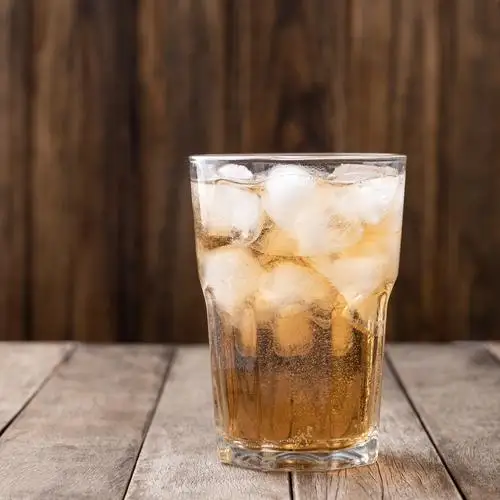
Guaraná is a fruit that comes from a bush found in Brazil and in some areas of Colombia and Venezuela. It is highly valued for its revitalizing and therapeutic qualities. It is a small, round, red-orange fruit and its peel opens when ripe, leaving visible white, meaty pulp and a large black seed. Currently, it is used to make the guaranine in energy drinks. This substance is similar to caffeine, but does not cause jitters. In Bahia, it is very common to find guaraná soft drinks in all the bars and restaurants, as well as at beach shacks.




The best hotels in Bahia


4.0text.accommodation.listing.star.rating.stars
Bahia, Brazil





Load more hotels