













Traditional food of Malaga
With fresh ingredients and lots of local products, Malaga’s cuisine is synonymous with flavor and tradition.
While Malaga tends to represent sun, sand and fun, the capital of the Costa del Sol also offers a rich variety of traditional dishes that reflect its culture, history and traditions. The fresh ingredients and local products make Malaga’s cuisine truly delectable.
Espetos de sardina
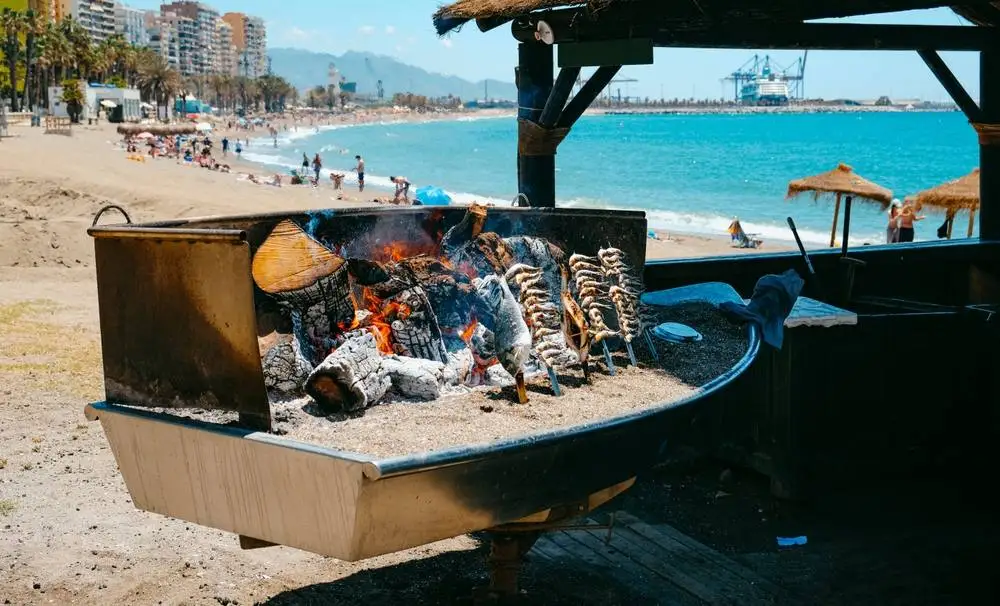
The espeto de sardina is one of the stars of Costa del Sol’s cuisine. It involves skewering sardines (normally six) onto a bamboo rod and grilling them over an open fire on a boat where the coals are placed. In the summer, there are few stands that don’t have an “espetero” (a professional specialized in grilling fish in this peculiar way).
However, today a large number of fish are prepared in this particular way. They include turbot, sea bream, red mullet, calamari, prawns and horse mackerel. The result is always a delicious and juicy dish that condenses the intense sea flavor of the Malaga coast.
Fried fish
Another characteristic delicacy of the gastronomy of Malaga is the “pescaíto frito” (fried fish). To prepare it, small fish and seafood are used, such as anchovies, calamari and shrimp, which are battered and fried in very hot oil until the outside is golden and crunchy. One type of fish that is often served fried is the European anchovy (boquerón victoriano): according to tradition it is between 5 and 7 cm, although regulations today require a minimum length of 9 cm for consumption. Its name comes from the date when it is usually fished, around the celebration of the Virgin of Victoria on September 8th.
Fried fish is usually served with a slice of lemon, mayonnaise, and sometimes salad, a combination of flavors that is a real feast for your taste buds.
Ajo blanco and porra antequerana
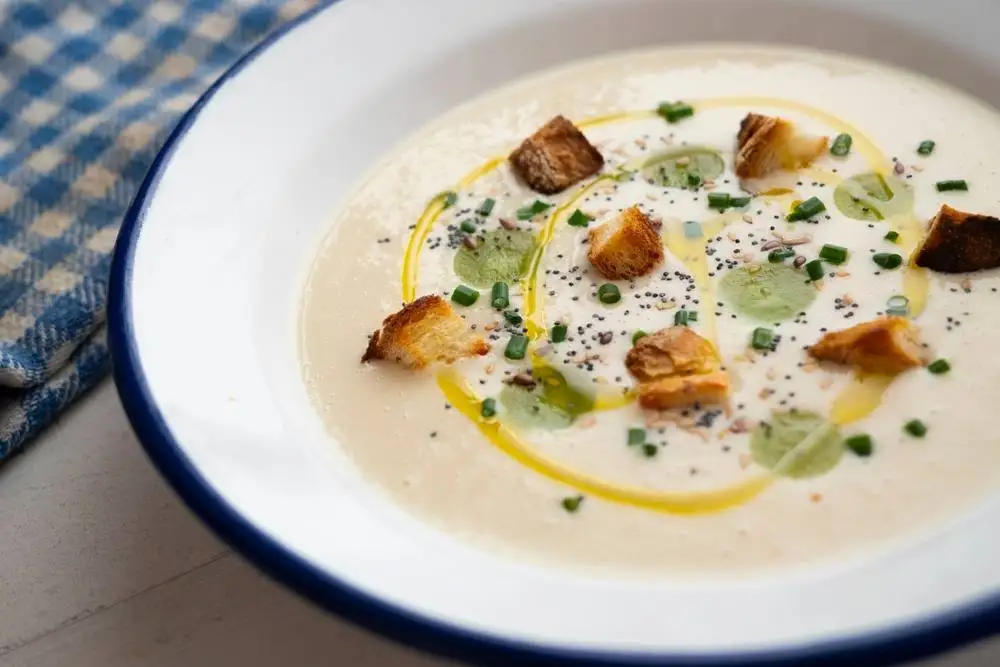
Cold soups are star dishes of Andalusian summers. Among them is ajo blanco, a soup made of water, almonds, garlic, olive oil, vinegar and bread. It is usually served with fresh fruit, like cantaloupe or grapes, which offers a refreshing and surprising contrast of flavors.
Porra antequerana owes its name to the city of Antequera and is a cold soup made with ripe tomatoes, green peppers, garlic, olive oil, sherry vinegar, salt and rustic bread (if possible, pan cateto, a bread with a compact crumb very typical of Malaga, made with durum wheat flour). It is usually served with tuna and should not be confused with salmorejo from Cordoba, which is made with “pan candeal” (a white bread), and the traditional recipe does not include peppers or vinegar.
Conchas finas
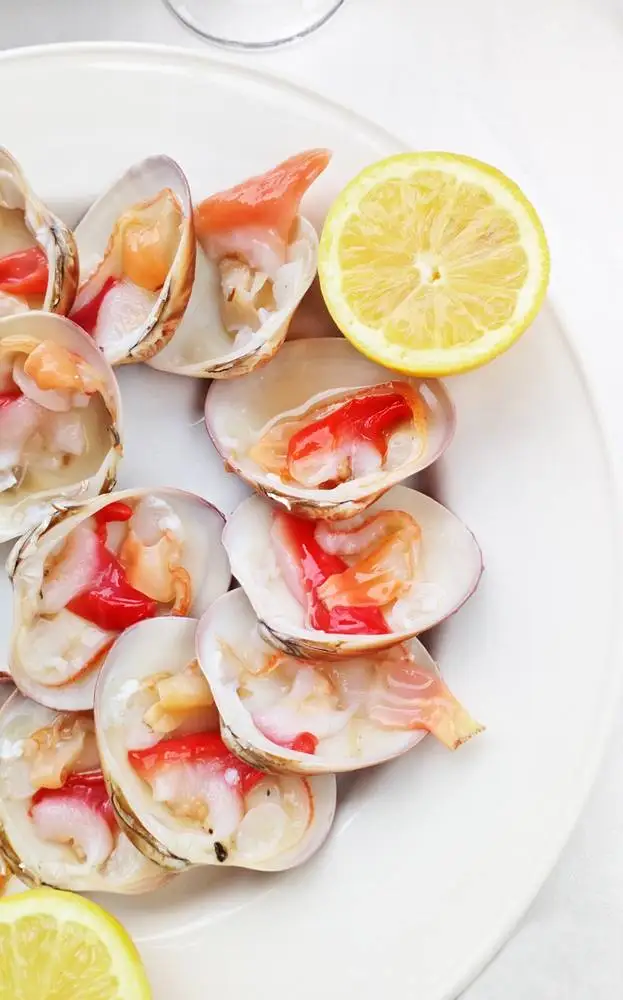
Conchas finas, also known as “clams of Malaga,” get their name from the fact that the shell is very smooth; the flesh is thick, red and white. They are eaten raw or “al natural,” with a touch of salt and pepper and a spritz of lemon. The latter is also a trick to find out if the concha fina is of utmost quality: if the tongue moves, the mollusk is fresh.
However, if you don’t feel comfortable consuming it live, it can also be prepared al ajillo, with a spicy sauce or even as an ingredient for sushi. There are tons of ways to enjoy this delicacy!
Desserts: tortas locas, bienmesabe and borrachuelo
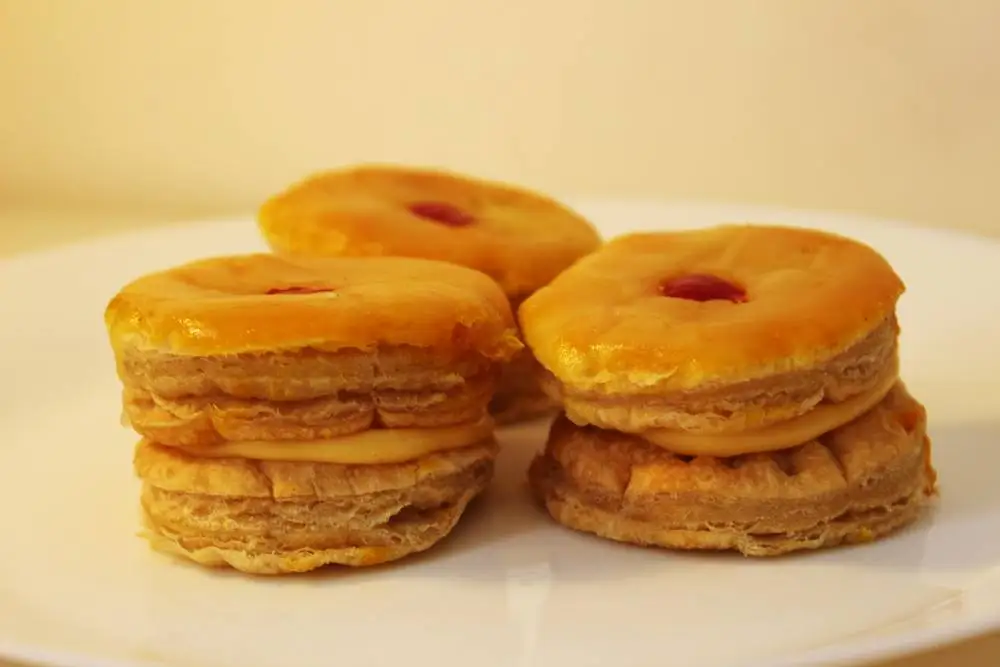
Malaga has a wide variety of traditional sweets. The tortas locas stand out and their name always makes visitors curious. Tradition says their name came from being made in front of a psychiatric hospital for women in the neighborhood of Ciudad Jardín. However, it actually comes from being a “crazy idea”: a fresh and delicious sweet made with affordable ingredients (puff pastry, pastry cream, egg yolk icing and a cherry on top as decoration) in a period as difficult as the Spanish post-war era.
Another iconic dessert of Malaga is the bienmesabe, which is made with almonds, sugar, eggs, angel hair and sponge cake. It has been made at the convent of Santa Clara de Belén in Antequera with the same recipe since the 17th century. You will find it in many areas of the province, but the special touch of the nuns is unparalleled.
Finally, borrachuelos are a Christmas sweet that are now eaten all year round. They get their name (borracha = drunk) because wine and liquor are added to their dough. They are usually filled with cabello de ángel or sweet potato jelly and fried in hot oil (but not much), and then coated in sugar or honey.
Drinks and spirits in Malaga
The people of Malaga drink more than just sweet wine: within the province there are different options that will unveil a whole world of flavors and aromas to you.
Malaga PDO
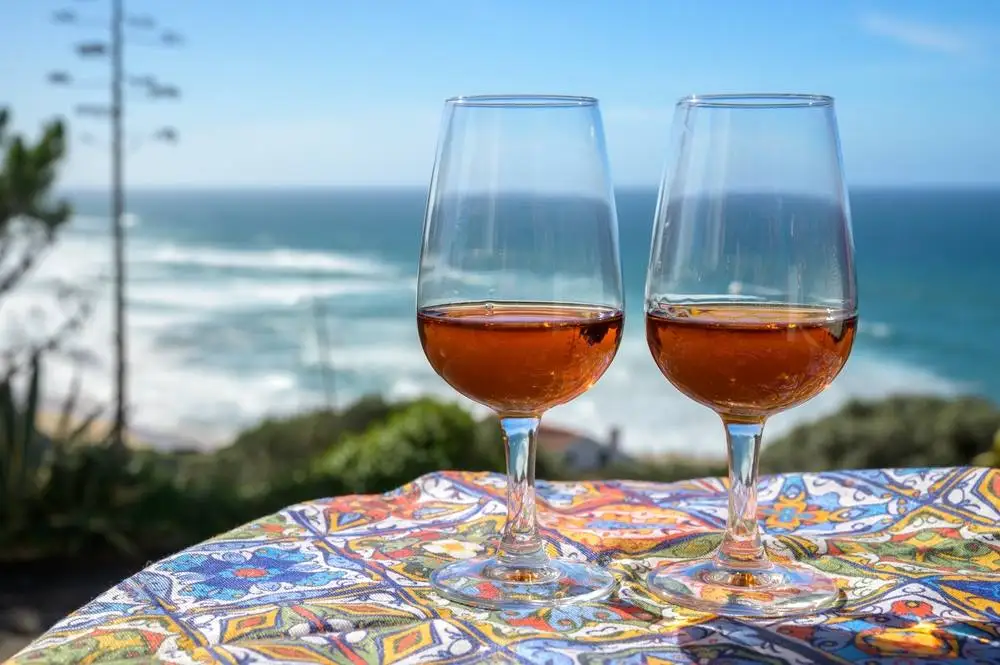
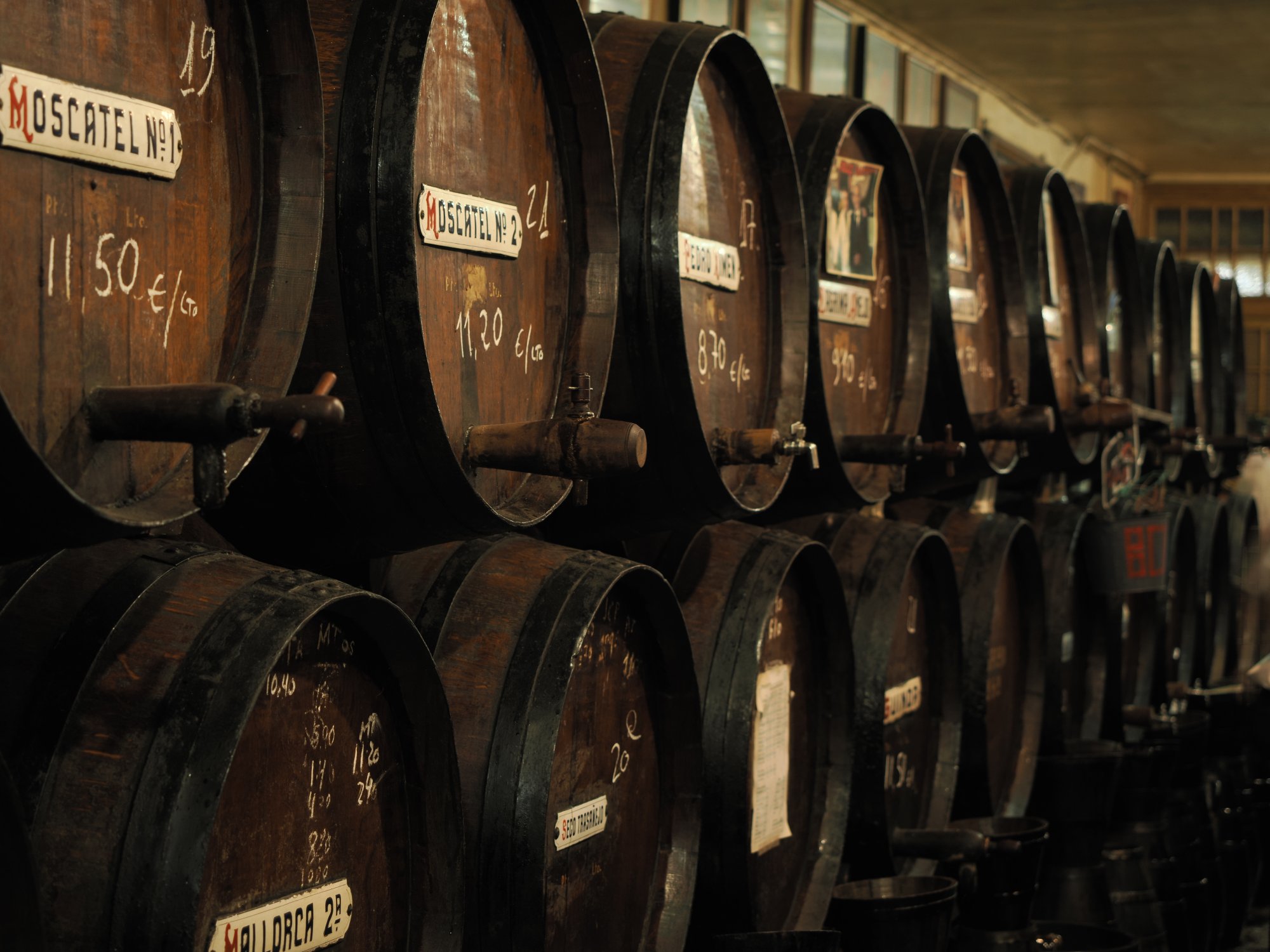
The Malaga Protected Designation of Origin (PDO) includes the wines of Axarquía, Montes de Malaga, the north of the province, Manilva and the Ronda mountain range. Sweet wines with different aging periods stand out, like the Malaga (six months to two years), the Malaga Noble (two to three years), the Malaga Añejo (three to five years) and the Malaga Trasañejo (more than five years). Be sure to taste the pajarete from Bodegas Quitapenas.
On top of the sweet wines, you will also find pedro ximénez or moscatel white wines (called “Málaga Pálido”) that may be dry, semi-dry, semi-sweet or sweet.
Sierras de Málaga PDO
This PDO also covers the Sierra de las Nieves and includes white, red and rosé wines with aromas as rich and varied as the essence of Malaga itself. The wines included in this protected designation of origin are differentiated from the Malaga PDO because they are “lighter” wines, with an alcohol content of 10-15.5% and a sugar content below 12 g/l.
Ojen
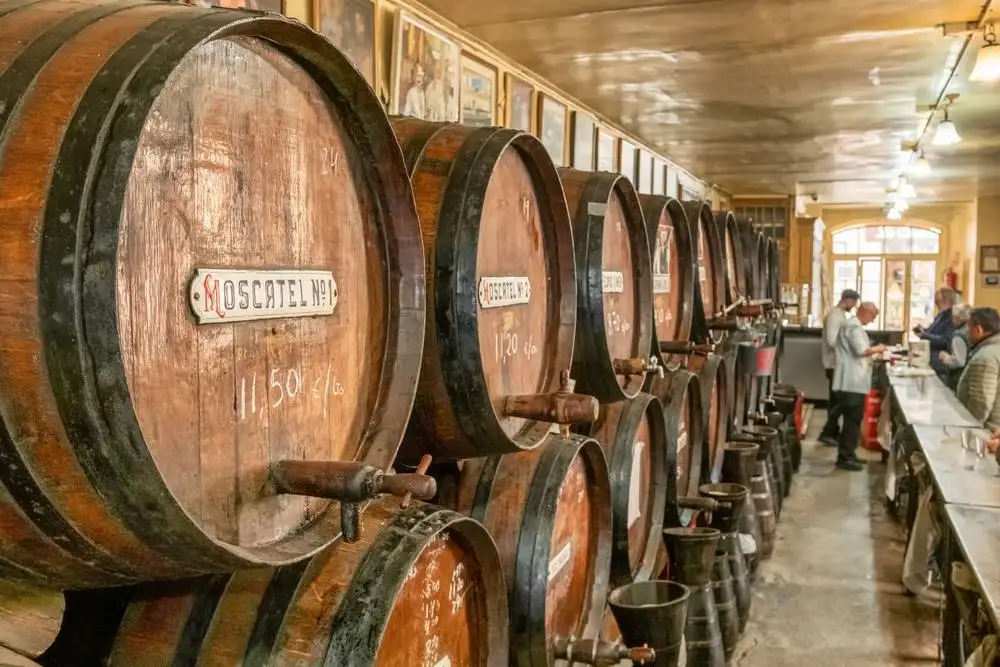
Finally, among the liquors of Malaga with the highest alcohol content is ojen, a mythical wine liquor that takes its name from Ojen, the town where it originated. Such was its fame that it was immortalized in the Picasso piece from 1912 called “Bodegón español,” as well as in literary works by Cela, Valle Inclán, Javier Marías and Hemingway, among others.
Though the original secret recipe from the Morales family, who created this liquor, was lost, today there are many takes on it that pay it faithful homage. Hence, while Malaga is traditionally a land of wine, there are also exquisite liquors for you to discover when you visit.
More about Malaga
The best hotels in Malaga






Load more hotels