










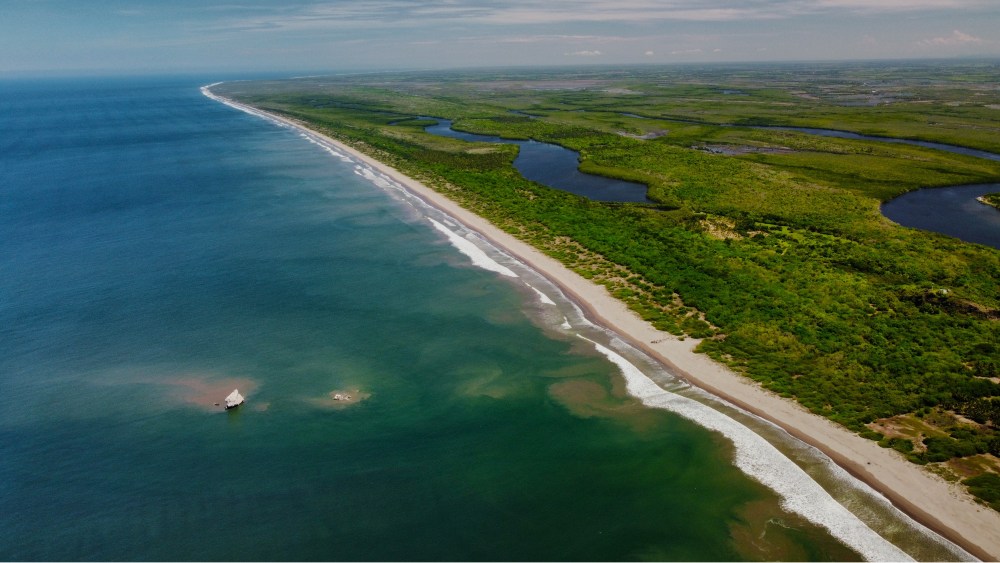
Places to visit in San Blas, Nayarit
San Blas is a magical destination on the Mexican Pacific coast—one of those rare places where haste has no place and the rhythm naturally slows, inviting you to observe, breathe and let nature speak. This fishing village, with its laid‑back atmosphere, seafaring heritage and remarkable natural wealth, is therefore an ideal refuge for travellers seeking deeper, more meaningful experiences.
1. Customs House and remnants of the colonial past
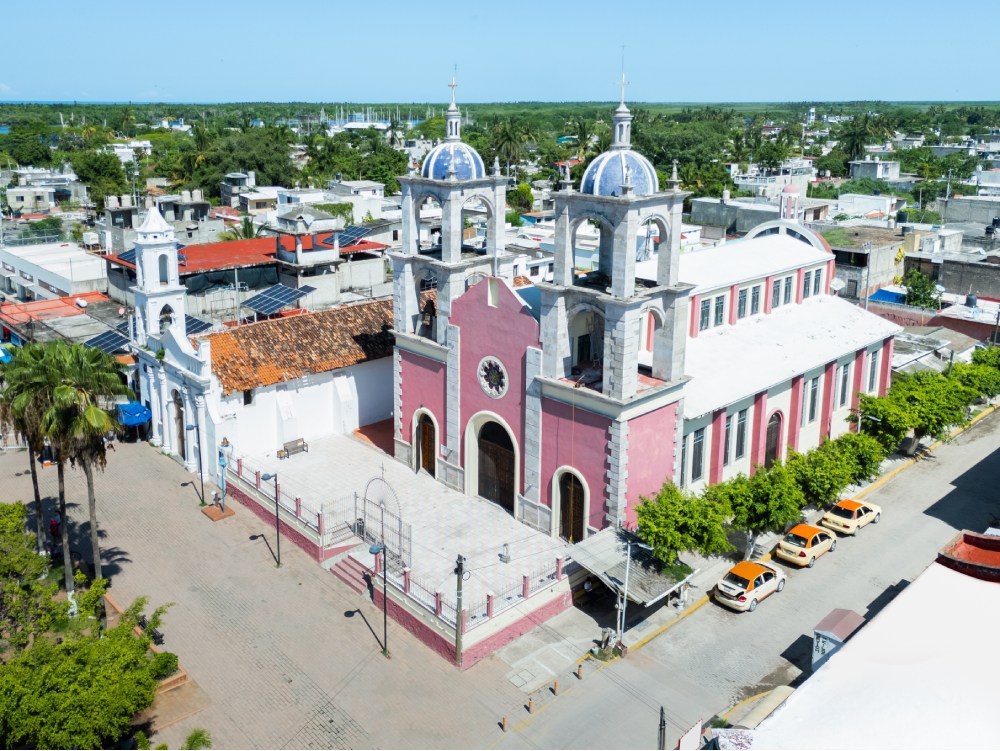
San Blas was the most important port on the North Pacific during the colonial era. Because of this, it still preserves traces of old fortifications and administrative buildings, such as the Contaduría Fort. Built in 1760, a visit to this site is an immersion into the town’s maritime history: during the Viceroyalty of New Spain, it operated as a key naval station. It also protected the port from potential pirate attacks and later became a strategic stronghold during both the Independence movement and the 1847 conflict with the United States.
2. San Blas pier
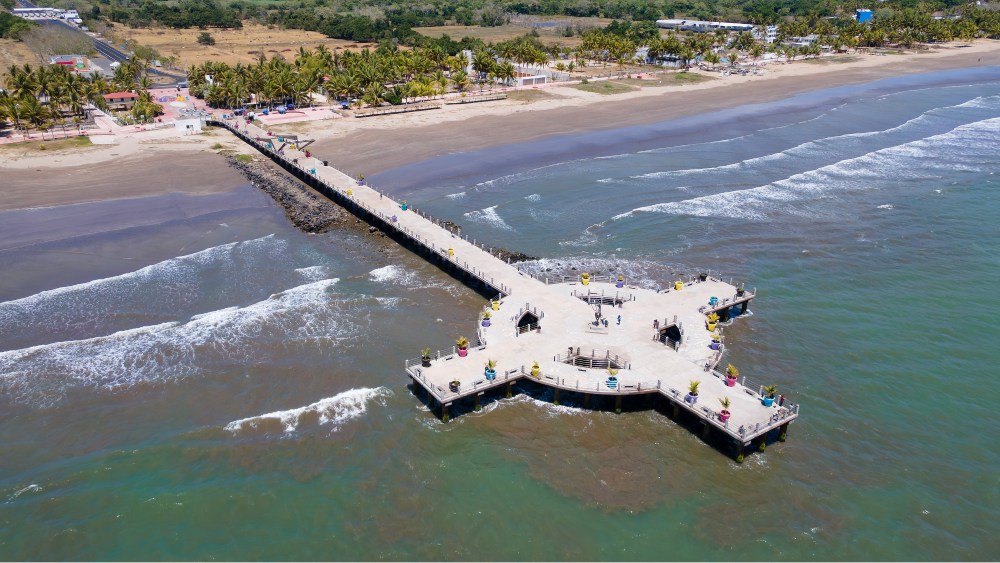
San Blas pier is far more than a passageway to the sea—it is one of the destination’s most symbolic and historically charged places, as well as an exceptional vantage point for watching the bay glow at sunset.
And, of course, you’ve likely heard of it. The legend of “the Madwoman of San Blas” lives deep in the town’s collective imagination. For decades, locals saw a woman named Rebeca, always dressed in white, walking the pier and the shoreline, her gaze fixed on the horizon. According to the story, she waited for her fiancé—a sailor or fisherman—who went out to sea and never returned. Over time, her vigil became a ritual that some interpreted as madness. Yet her presence ultimately came to embody love pushed to its limits, unwavering hope and profound absence. Today, a statue on the pier honours that eternal wait.
This true story—or one firmly rooted in local memory—inspired the Mexican band Maná, who released the song “En el muelle de San Blas” in 1997.
3. Nature in its purest state
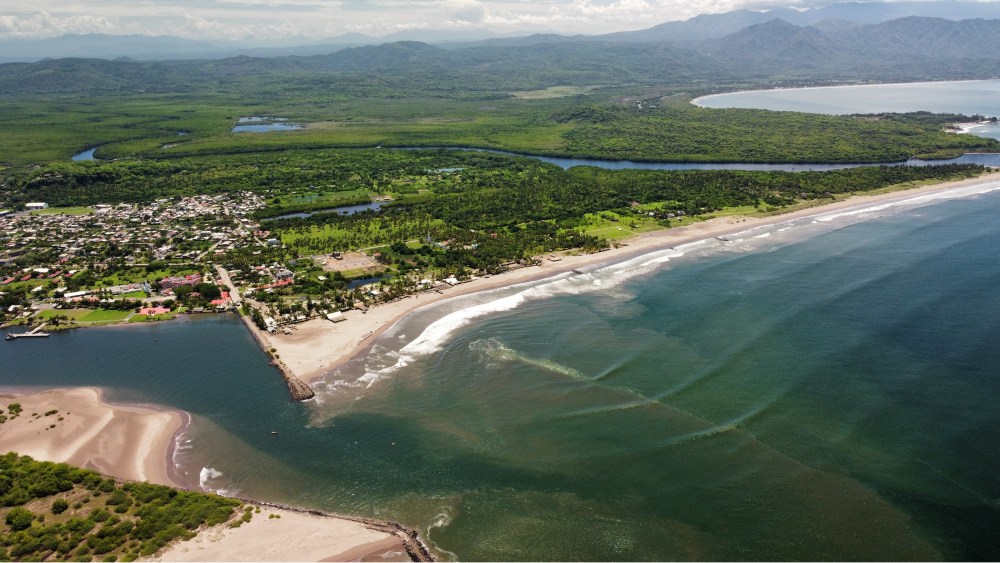
One of San Blas’s greatest treasures is its untouched natural environment. The region is wrapped in vast mangrove forests that shelter remarkable biodiversity and serve as a natural barrier against the sea. Gliding through its canals in small boats is a slow, almost hypnotic journey—passing through narrow corridors and tangled roots rising from the water, immersing you in an ecosystem as vibrant as it is fragile.
San Blas’s beaches may not mirror the postcard perfection of the Caribbean, yet that is precisely their allure: they embody the raw, open beauty of a coastline barely touched by human hands. Among them, the following stand out:
- - Las Islitas: a chain of small beaches linked by sand and gentle waves—perfect for unhurried walks, seabird watching and soaking in the quiet rhythm of the Pacific.
- - Beaches such as El Borrego and Hermosa: vast stretches of sand where you can take in the immensity of the ocean and enjoy long, meditative strolls.
- - Matanchén Bay: a broad natural formation ideal for surfing and marvelling at the sweeping coastal scenery.
Together, these beaches offer wide‑open spaces and unspoiled nature—an invitation to silence, peace and moments of pure contemplation by the sea.
4. Isabel Island and ocean life
Isla Isabel National Park lies 40 nautical miles off the port of San Blas, and it’s one of the most treasured destinations for travellers seeking a natural, ecological perspective.
Beneath its crystal‑clear waters lives an extraordinary diversity of marine species—and at certain times of the year, you may even spot humpback whales passing through. On land, dramatic cliffs, a tropical climate and wide‑open landscapes create an exceptional setting for wildlife observation, photography and interpretive hiking.
5. Local customs and coastal traditions
San Blas isn’t shaped by artificial spectacles or attractions designed for visitors, but by traditions that have endured across generations. Among its most meaningful celebrations are the festivities honouring the Virgin of the Rosary—affectionately known as “La Marinera”—every October 7, and San Blas Day on February 3, when an aquatic pilgrimage transforms the bay into a vibrant scene of devotion and community. For travellers, arriving during these dates offers a rare chance to experience the town’s authentic spirit and its deep, historic bond with the sea.
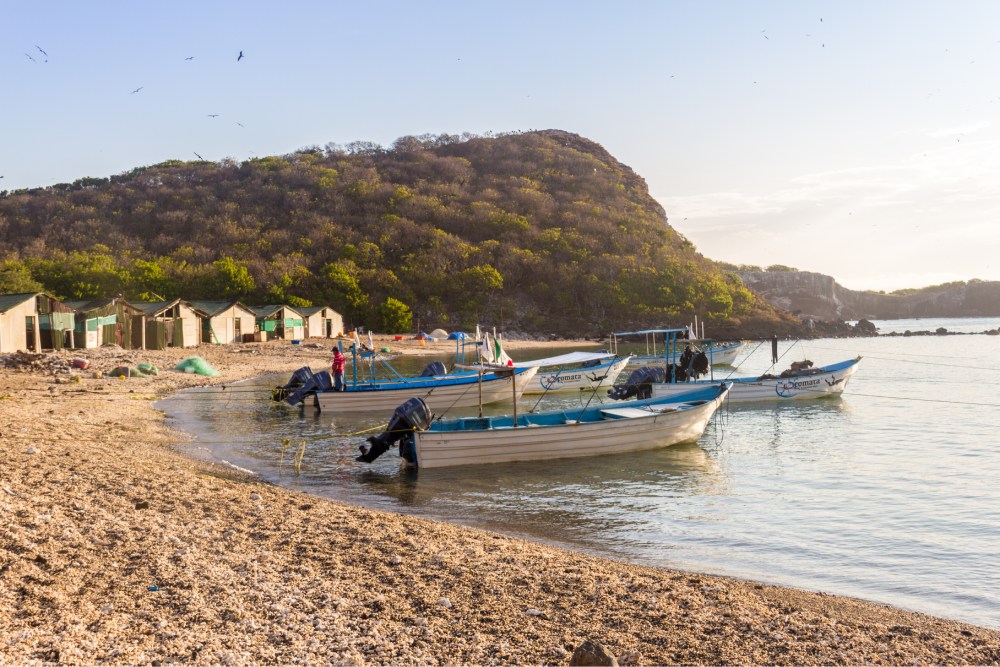
6. A place for taking your time.
San Blas is a place to slow down, let nature surprise you, watch birds for hours or simply sit before the sea without worrying about the next photo. Here, the memorable moments are the simplest ones: a heron’s call at dawn, the stillness of the mangroves or the synchronised sweep of birds gliding over the water at sunset.
If you’re seeking powerful natural landscapes, quiet history and authentic experiences far from the usual routes, San Blas has that unmistakable something.
-
When is the best time of year to visit San Blas, Nayarit?
The ideal time to visit San Blas is between November and April, when the weather is cooler and drier. The rainy season runs from May to October, bringing higher temperatures and humidity—though it’s a great moment to enjoy the destination with fewer tourists and a quieter and more authentic experience.
-
Is there much to do with kids in San Blas?
Absolutely. San Blas is a fantastic destination for families. Kids will enjoy the huge beaches with calm waters, discovering the exotic animal life in the area, exploring easily accessible trails and viewpoints, doing water sports and getting closer to traditions that are real, rather than designed for tourists.
-
Is it safe to travel to San Blas, Nayarit?
Yes! San Blas is a peaceful and safe destination. It is becoming one of the safest areas in the whole country, with a low level of perceived insecurity (around 30.5%).
As with any holiday destination, you should always take basic precautions, such as taking good care of your belongings, checking sea and weather conditions before water activities, and following local recommendations when visiting mangrove forests or nature areas. In general, it’s a perfect place for travelling on your own, with your partner or with your family.
- See more questions
More about Riviera Nayarit
The best hotels in Riviera Nayarit


4.0text.accommodation.listing.star.rating.stars
Riviera Nayarit, Mexico
4.0text.accommodation.listing.star.rating.stars
Riviera Nayarit, Mexico
Load more hotels