









Marietas Islands (Nayarit): a magical place
Who hasn’t dreamed of escaping to a deserted island? If you’re planning your honeymoon in Riviera Nayarit, this idyllic destination deserves a place at the top of your list. Just off the Pacific coast lies an uninhabited archipelago that shelters one of the most extraordinary spots in the world: Lover’s Beach, also known as Hidden Beach.
Below, you’ll find a complete guide to everything you can experience during your visit to the Marietas Islands.
1. Lover's Beach, one of the most spectacular spots in Mexico
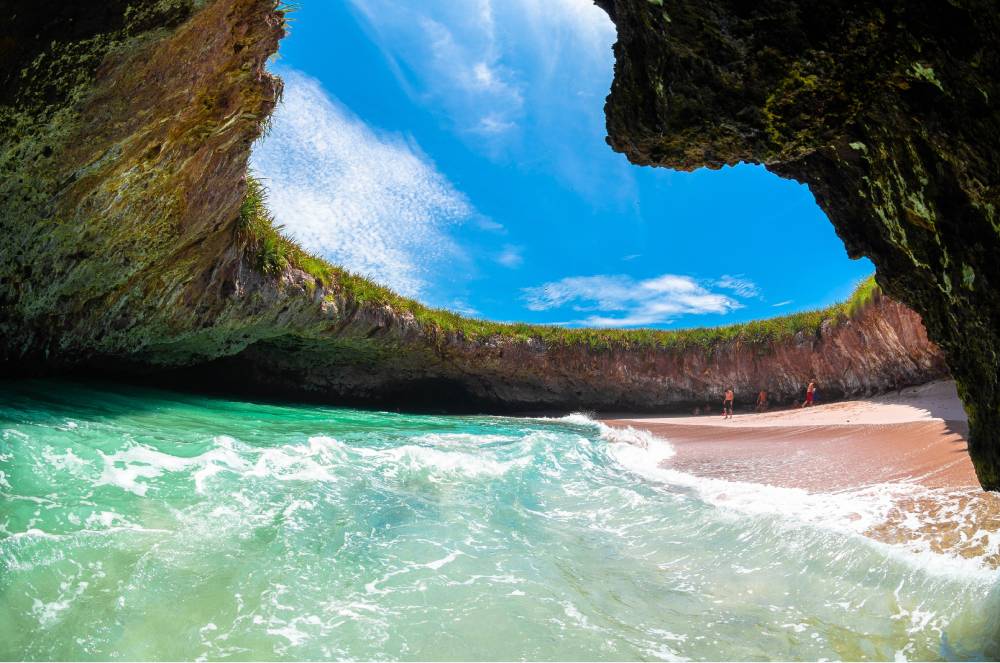
Hidden Beach—popularly known as Lover’s Beach—is a true natural marvel and one of the most breathtaking places in all of Mexico. Tucked inside a cavern carved by centuries of erosion, its sandy cove opens to the sky through a vast circular dome, creating the striking illusion of a natural stone amphitheatre. Reaching it is part of the adventure: access is only possible from the sea and, depending on the tides, requires swimming through its narrow entrance.
2. What to do in the Marietas Islands
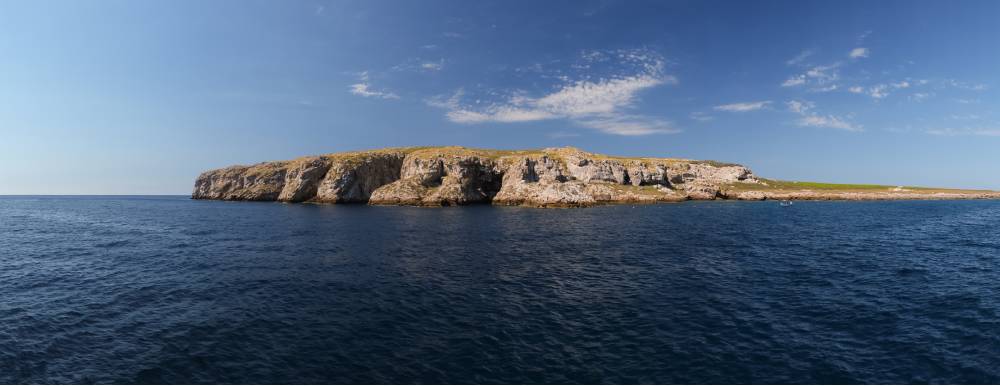
The Marietas Islands National Park encompasses Isla Redonda, Isla Larga, the twin islets known as Los Morros Cuates, several rugged rock formations and a vibrant marine ecosystem filled with coral reefs. Because it is a strictly protected ecological sanctuary, both access and permitted activities are carefully regulated to preserve its extraordinary natural wealth.
Snorkelling and diving
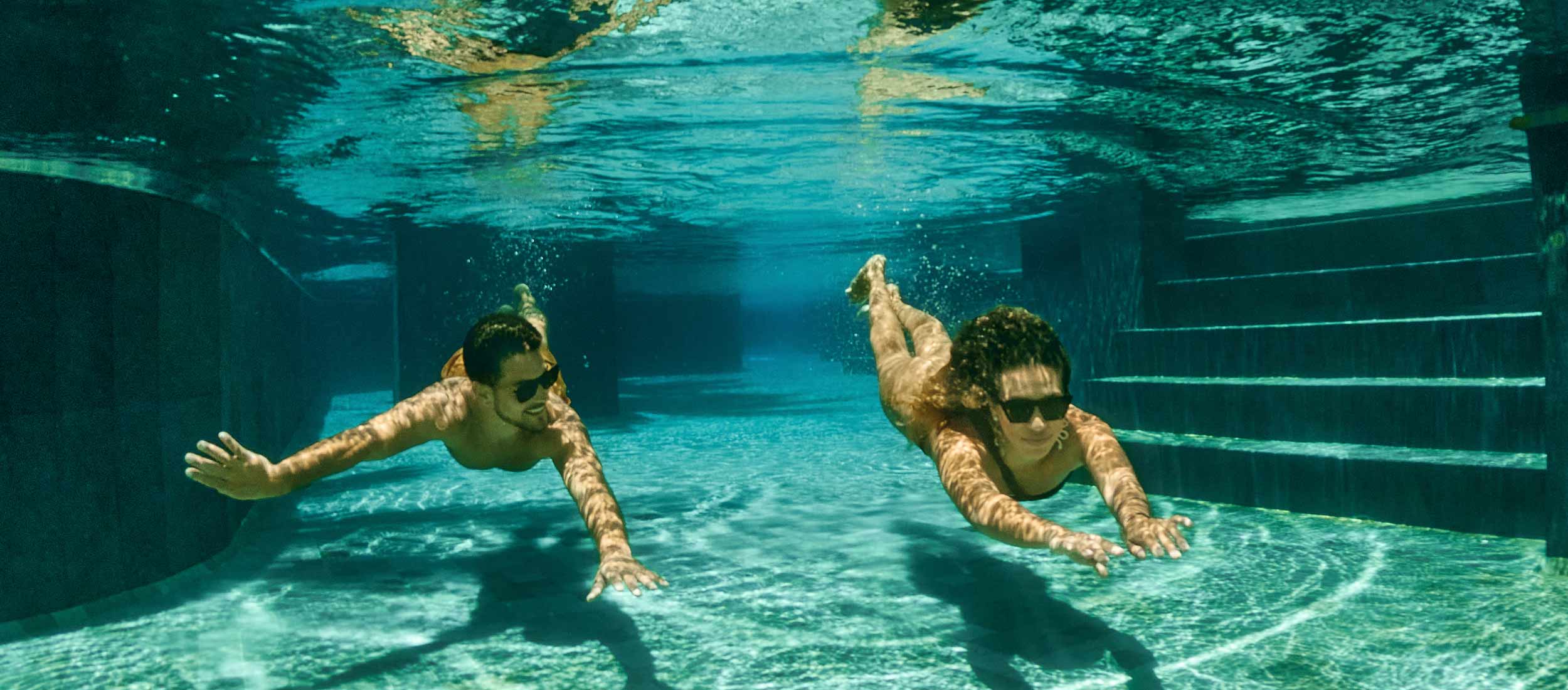
The Marietas Islands are a favourite diving spot in Riviera Nayarit, thanks to their crystal‑clear waters and extraordinary marine biodiversity. Perfect for both beginners and seasoned divers, this is where you can glide over vibrant coral reefs and encounter tropical fish, manta rays and graceful sea turtles. A true paradise for anyone who loves exploring the underwater world!
Bird watching
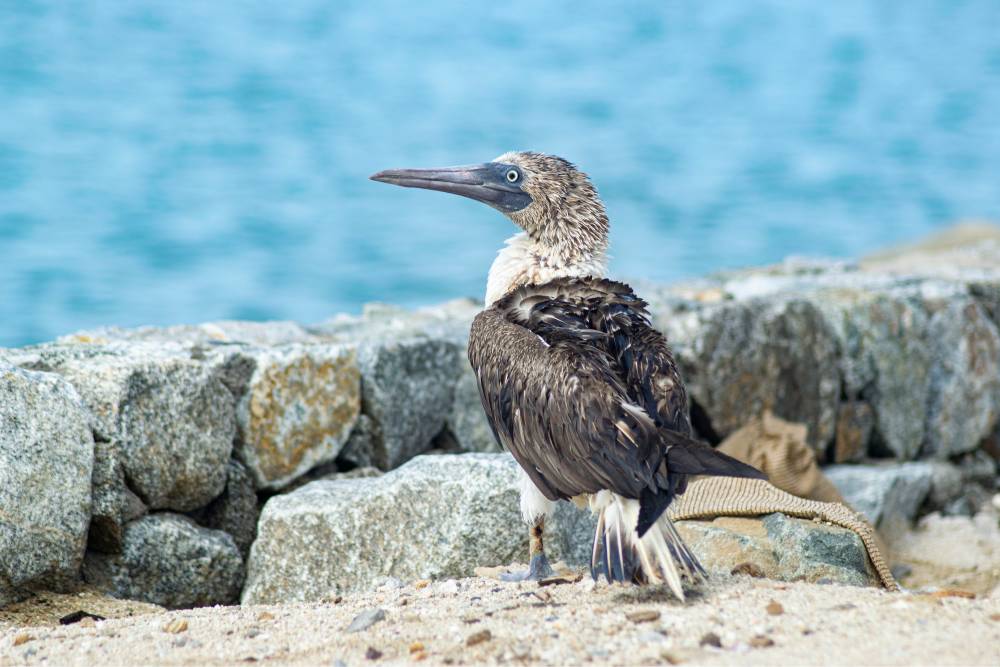
The Marietas Islands are a true sanctuary for Pacific seabirds, whose isolated cliffs provide ideal grounds for nesting, resting and reproduction. In this privileged habitat, you can spot blue‑footed boobies, frigatebirds with their unmistakable silhouettes, and brown pelicans, masters of effortless gliding. Specialised guided tours offer a rich, respectful experience—one that protects both the birds and the fragile ecosystem they call home.
Whale watching
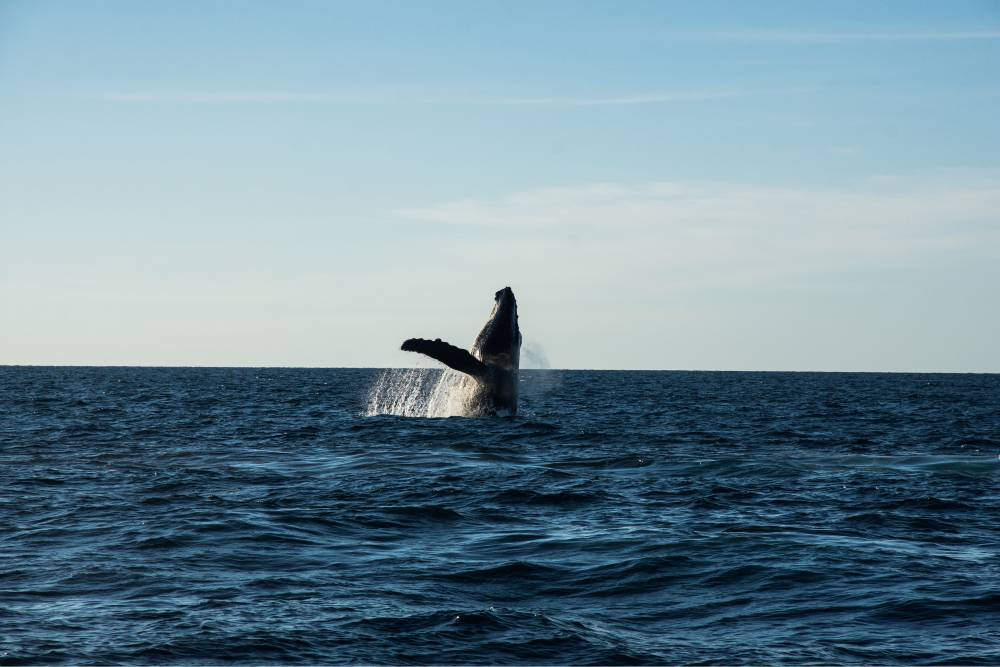
If you’re travelling with kids, you simply can’t miss this extraordinary natural spectacle. From December to March, the waters of the Mexican Pacific around the Marietas Islands welcome humpback whales, migrating from the icy seas of northern Alaska to these warm shores to complete their reproductive cycle. All sightings must be carried out with authorised operators who respect the minimum approach distance, ensuring the safety and well‑being of both these majestic creatures and the visitors who come to admire them.
3. Biodiversity in the Marietas Islands
The remarkable biodiversity of the Marietas Islands stems from a blend of geographical, oceanographic and ecological conditions that create an exceptional habitat for both land and marine species. Their peacefulness—and the absence of terrestrial predators—allows seabirds to nest and raise their chicks in relative safety. As a result, boobies, frigatebirds and pelicans can be spotted here throughout the year. Beneath the surface, vibrant coral reefs provide shelter and nourishment for tropical fish, manta rays and sea turtles. Together, these elements make the islands a premier destination for ecotourism enthusiasts and anyone eager to encounter native wildlife in its purest form.
-
How do you get to the Marietas Islands?
Access to this little paradise is exclusively by sea, typically departing from Punta Mita or Banderas Bay.
-
When is it best to visit the Marietas Islands?
If you have the chance, the ideal season is December to March, when you can witness the breathtaking migration of humpback whales.
-
What should I bring to the Marietas Islands?
Pack light clothing and a swimsuit for swimming, paddling or snorkelling. Keep in mind that this is a protected ecological reserve: biodegradable sunscreen is mandatory and eating or drinking outside the boats is strictly prohibited.
- See more questions
More about Riviera Nayarit
The best hotels in Riviera Nayarit


4.0text.accommodation.listing.star.rating.stars
Riviera Nayarit, Mexico
4.0text.accommodation.listing.star.rating.stars
Riviera Nayarit, Mexico
Load more hotels