


















Typical food of Cap Cana: the best dishes
The best example of sophistication in the Dominican Republic.
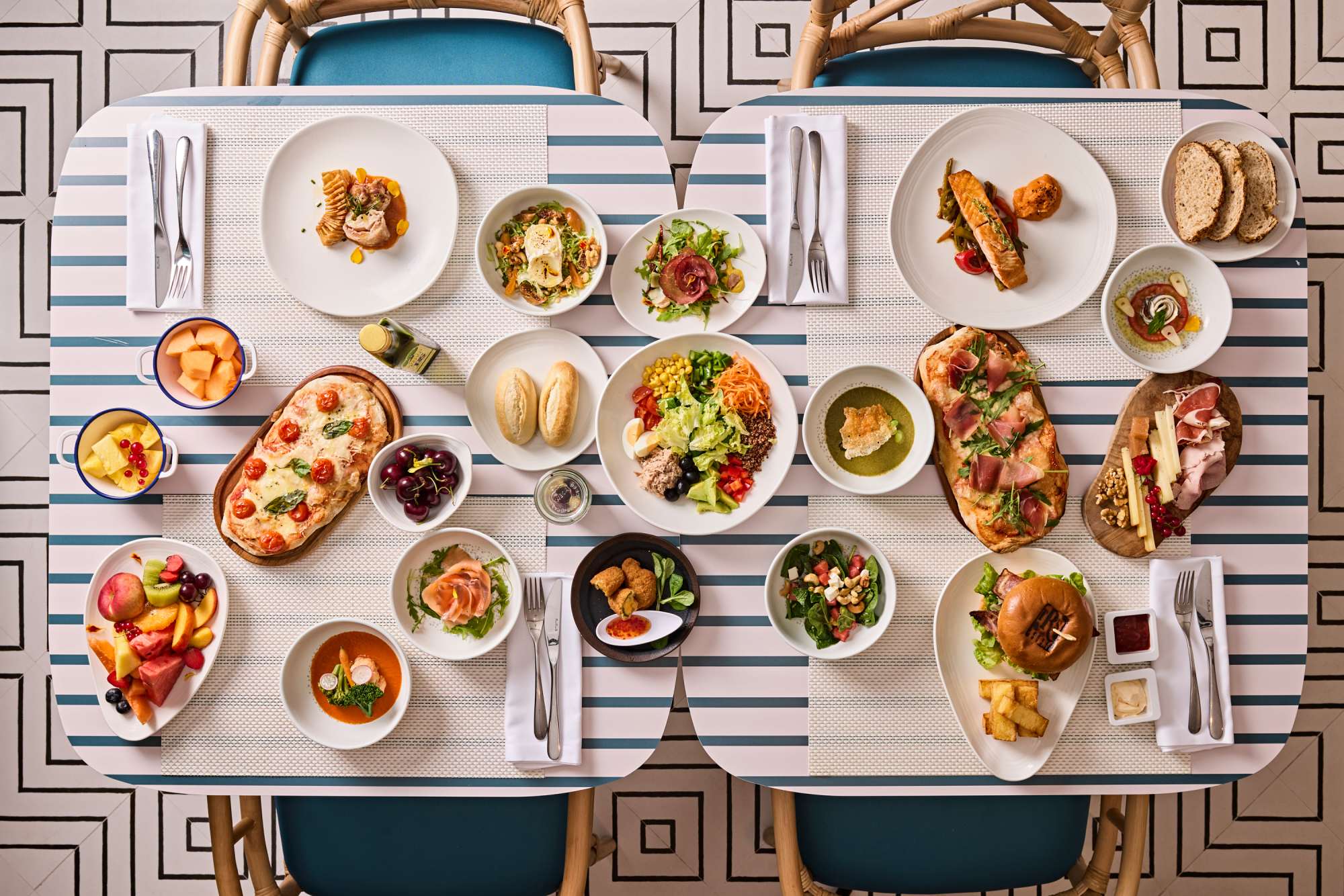
Cap Cana cuisine is one of the most varied in the Caribbean. The cuisine showcases influences from different cultures: the indigenous Taino from South America, European colonists, and African slaves. This mixed heritage has given rise to criolla cuisine, combining native fruits and vegetables, Spanish beef, and African plantains and sweets. Today, renowned Dominican chefs have modernized traditional recipes, incorporating international culinary trends to offer a flavorful, balanced cuisine that can delight any palate.
Mofongo
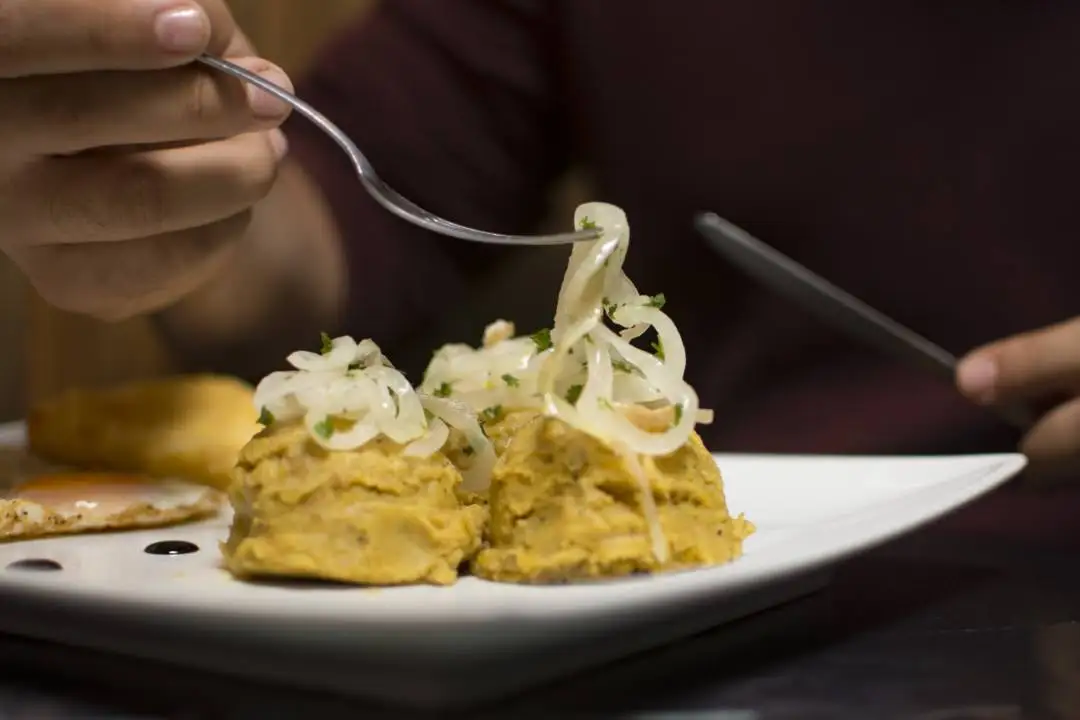
Mofongo is a very popular dish in Dominican kitchens. It reflects the rich gastronomic heritage of Caribbean culture with its African origins. It is made by mashing fried green plantains in a mortar, then adding garlic, olive oil, and pork cracklings (also known as torrezno).
Over time, the recipe has been updated to include variations made with yuca, ripe plantains, or yam. There is also a version called Trifongo that combines cassava, green plantains, and ripe plantains. There's also a version called Trifongo that combines yucca, green plantains, and ripe plantains. Additionally, the filling can be substituted with chicken, seafood, or shrimp. Some restaurants serve it topped with cheese or mushroom cream.
Chivo
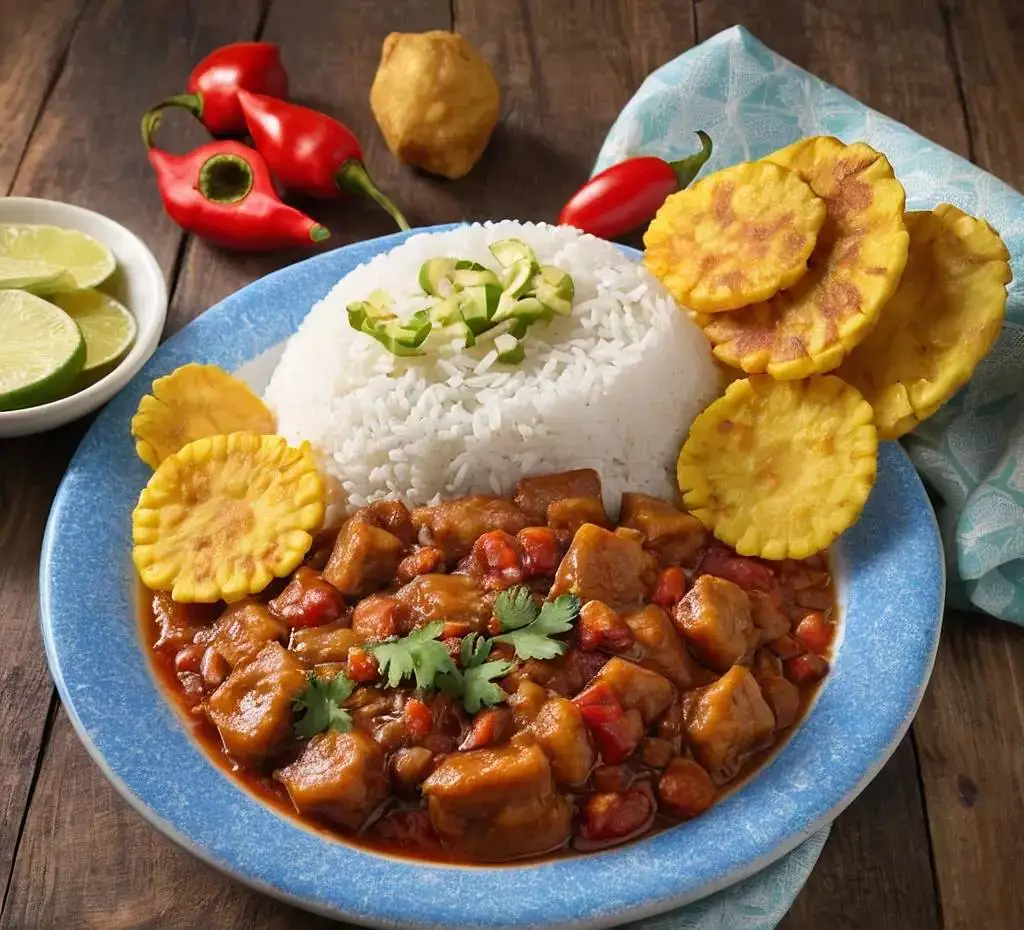
Chivo guisado is a distinctive dish in Dominican gastronomy and popular culture, originating from "La Línea," a region in the northwest of the country. It is internationally recognized for its extraordinary flavor. The secret lies in the raw material, as these animals are raised in an area abundant in wild oregano. The meat is seasoned with Caribbean pepper, giving it a spicy taste. It is usually served with white rice or moro, chacá, tostones, or a succulent sancocho.
Asopao
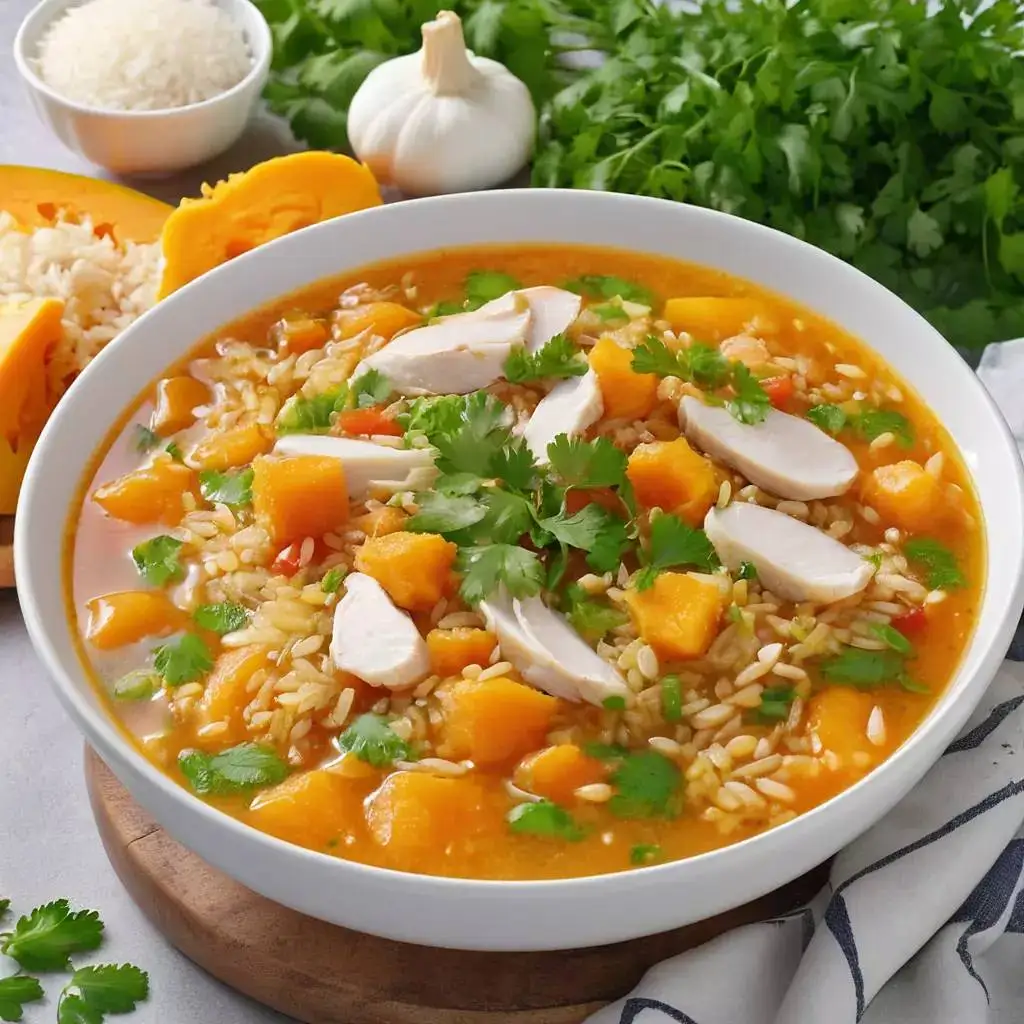
Asopao is a comforting and delicious dish, ideal for cold days. The word "asopao" is a contraction of the Spanish expression "asopado," meaning "like a soup." Thus, as the name suggests, it is a rice soup (or soupy rice) made with chicken, green pepper, auyama (pumpkin), onion, garlic, tomato sauce, salt, pepper, oregano, and cilantro.
Typical Desserts
While the list of Dominican sweets is extensive, including delights like habichuelas con dulce, tres leches, or chacá, these particular treats are essential to concluding a tasting of typical Dominican dishes.
Dulce de leche or de coco
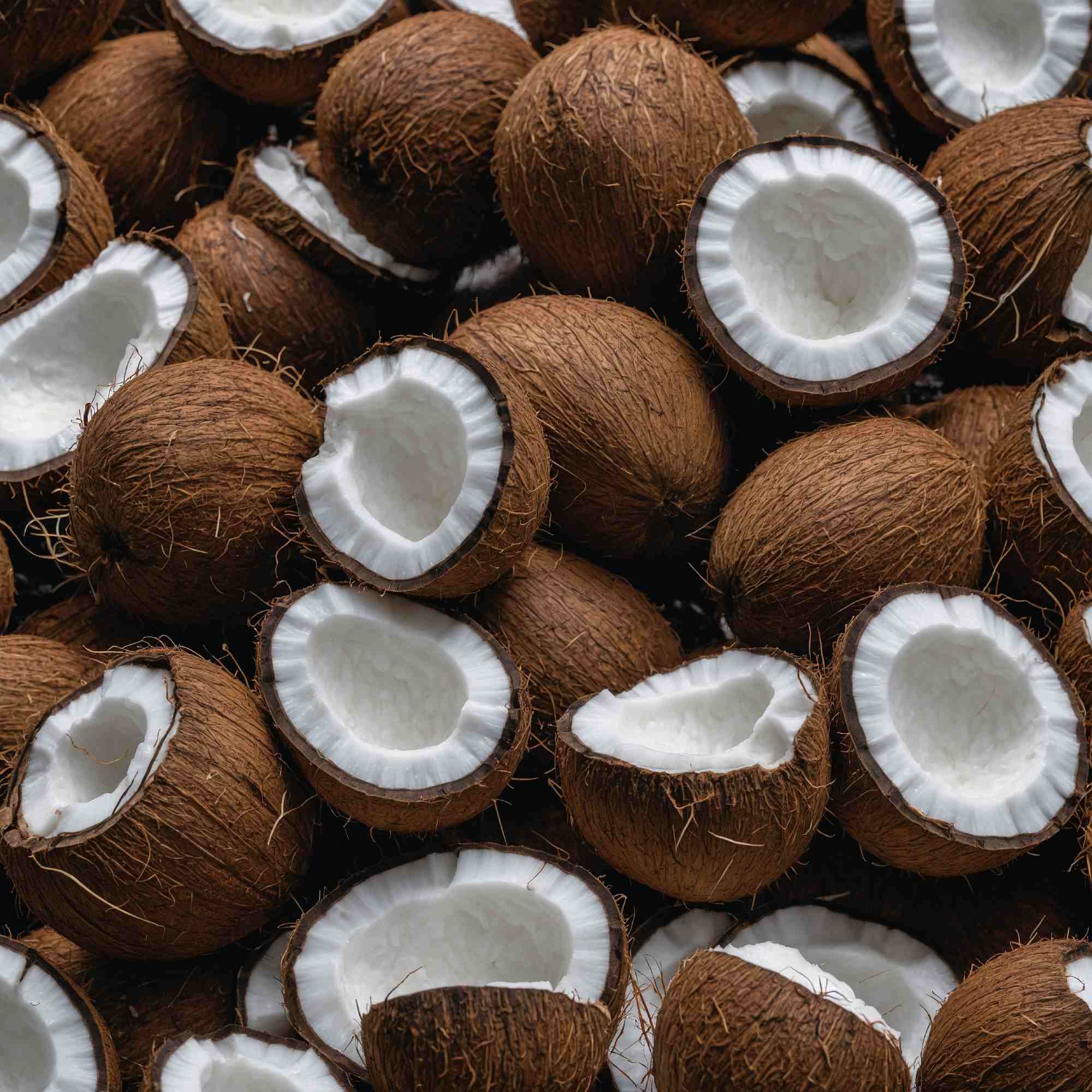
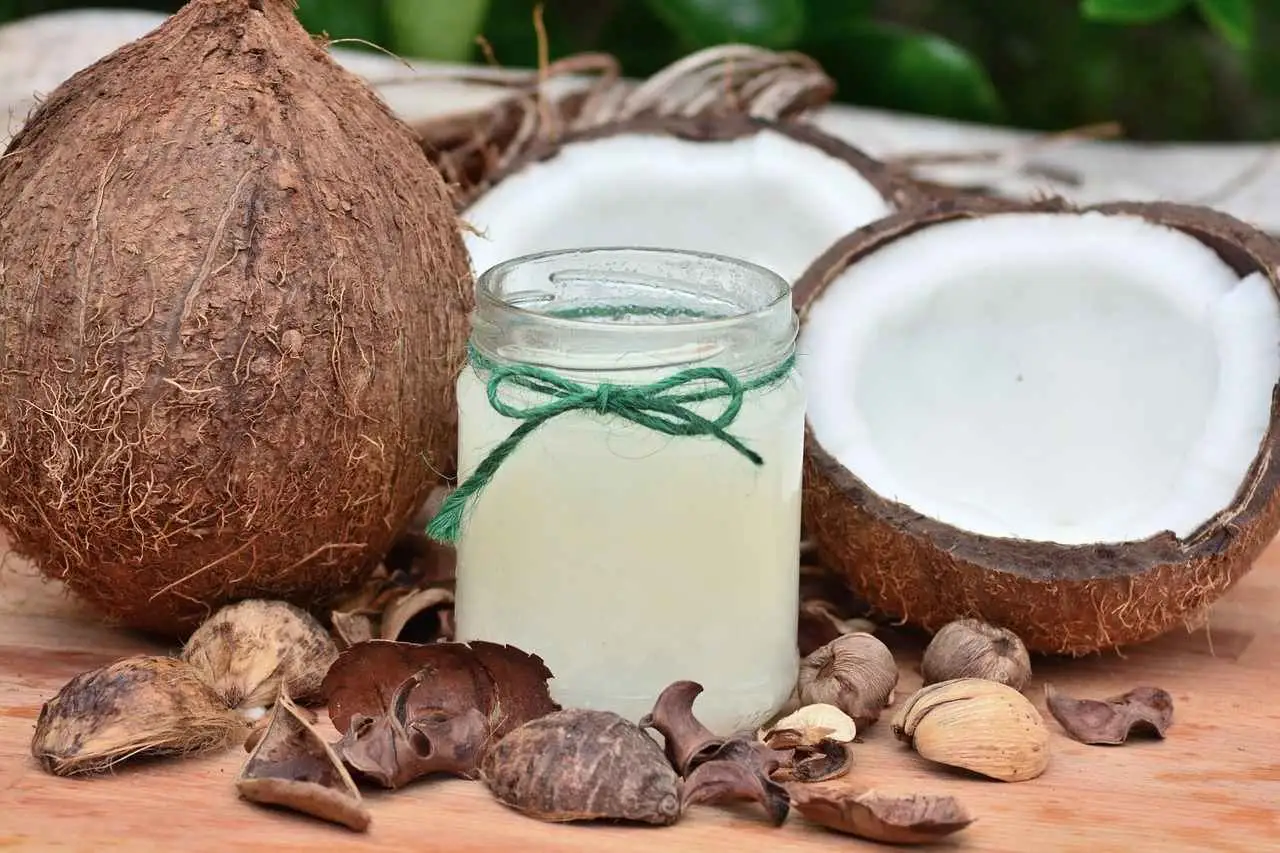
This is one of the most emblematic desserts of Dominican cuisine. Chefs who follow traditional preparation use freshly milked whole cow's milk, though it can also be made with regular milk. It is prepared by heating milk, sugar, condensed milk, a pinch of salt, and spices to taste in a pot over low heat. In the case of dulce de coco, coconut flesh is also added.
Majarete
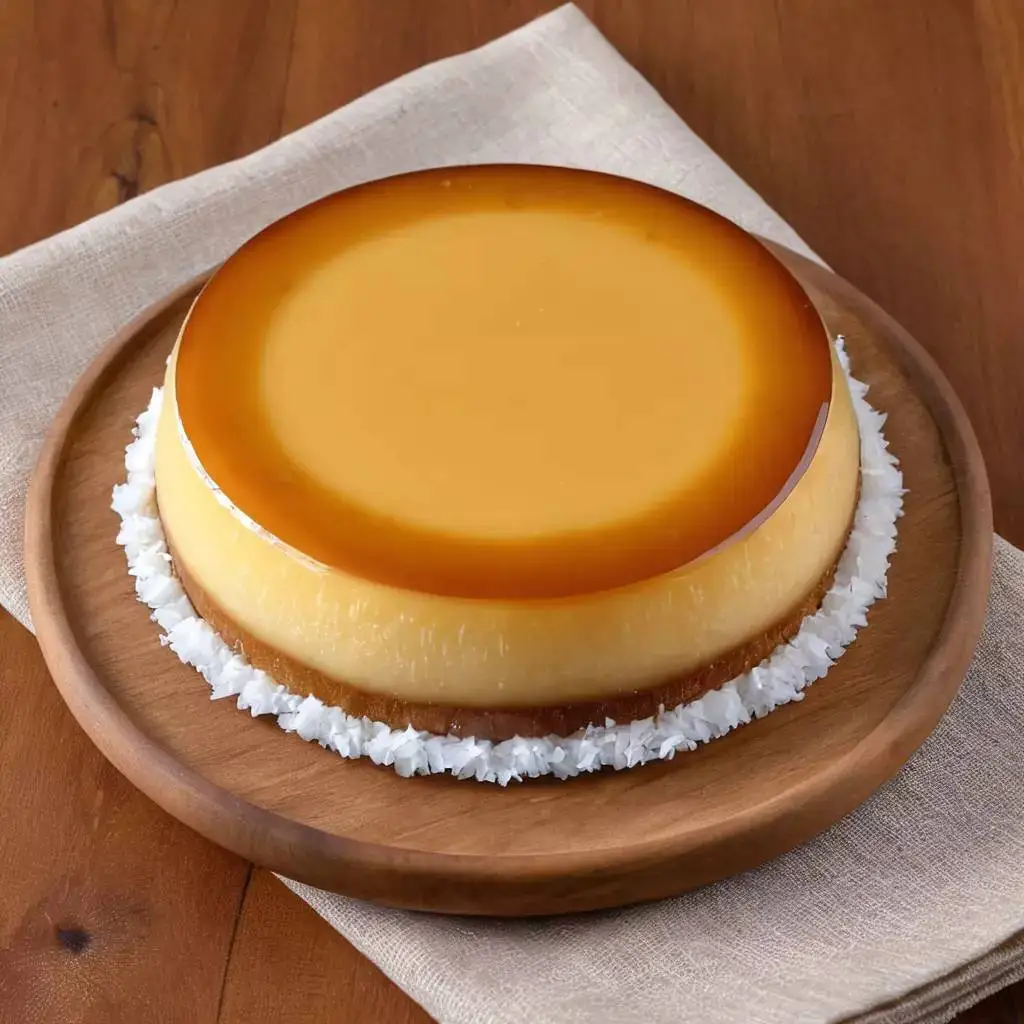
Majarete is a typical Caribbean dessert with colonial roots. It is prepared like a flan but with ingredients typical of the Dominican Republic. The current recipe includes corn, milk, coconut milk, egg yolks, cornstarch, and sugar.
Drinks and liqueurs in Cap Cana
Cap Cana boasts a wide gastronomic offering where beverages play a significant role. Traditionally, a digestive liqueur or delicious local coffee concludes the meal.
Mamajuana
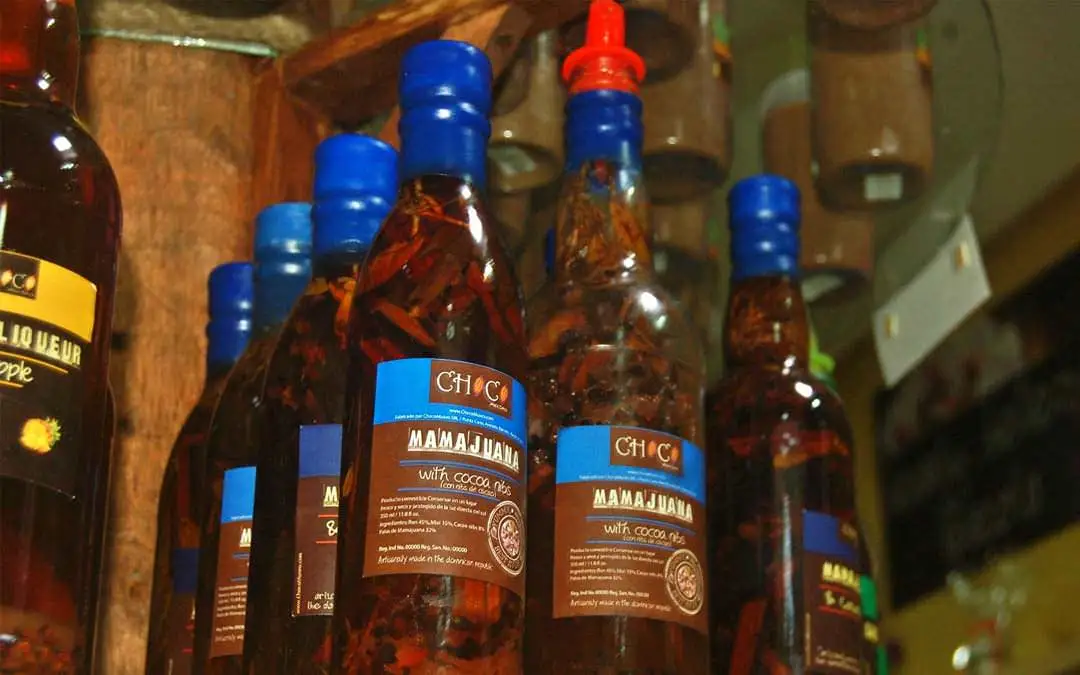
Of African origin, mamajuana is the quintessential Dominican drink. Initially used for medicinal and stimulating purposes. This striking liquor is made by macerating rum and molasses, to which Brazilian wood, Chinese stick vine, clove, three-rib vine, guaiac, and anise are added. The result is a unique and semi-sweet flavor with a hint of herbs and wood.
Coffee
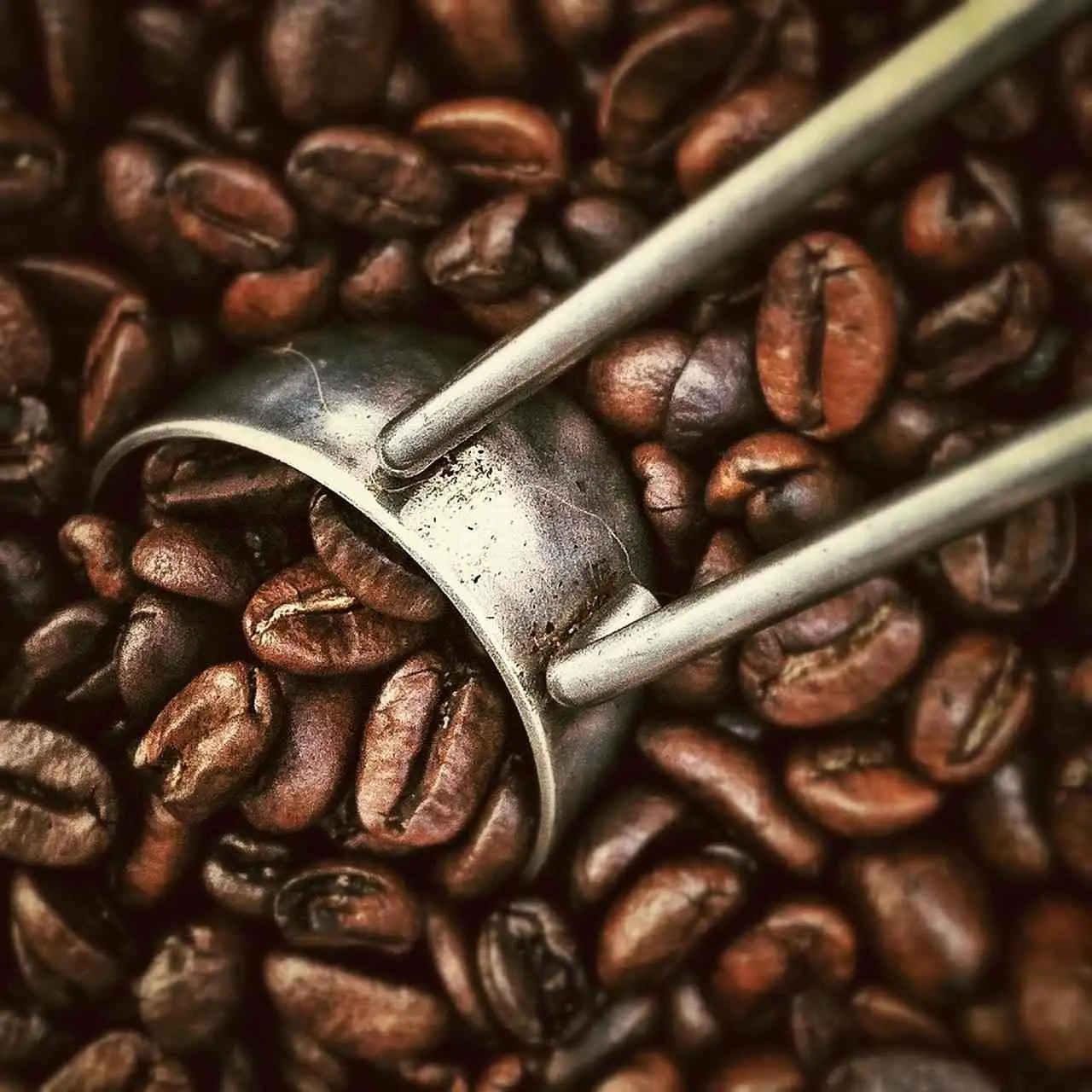
Since the arrival of the first coffee plants from Martinique in 1735, coffee has become a hallmark of the Dominican Republic. If you're a coffee enthusiast, you must try the coffee served in Cap Cana. Prepared following the traditional process, Dominican coffee is characterized by its fruity and citrusy flavor, with balanced acidity and a hint of cocoa.